
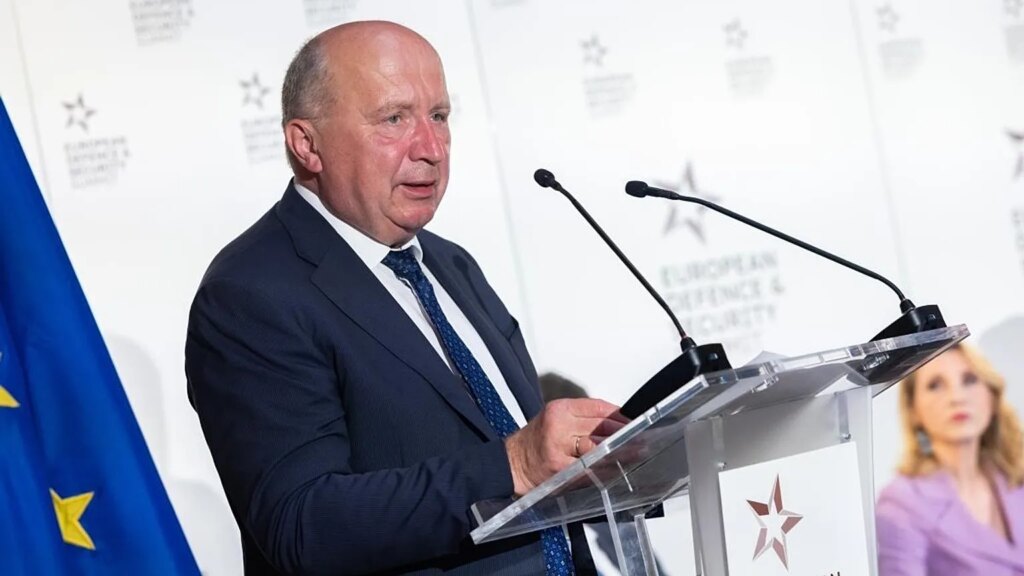
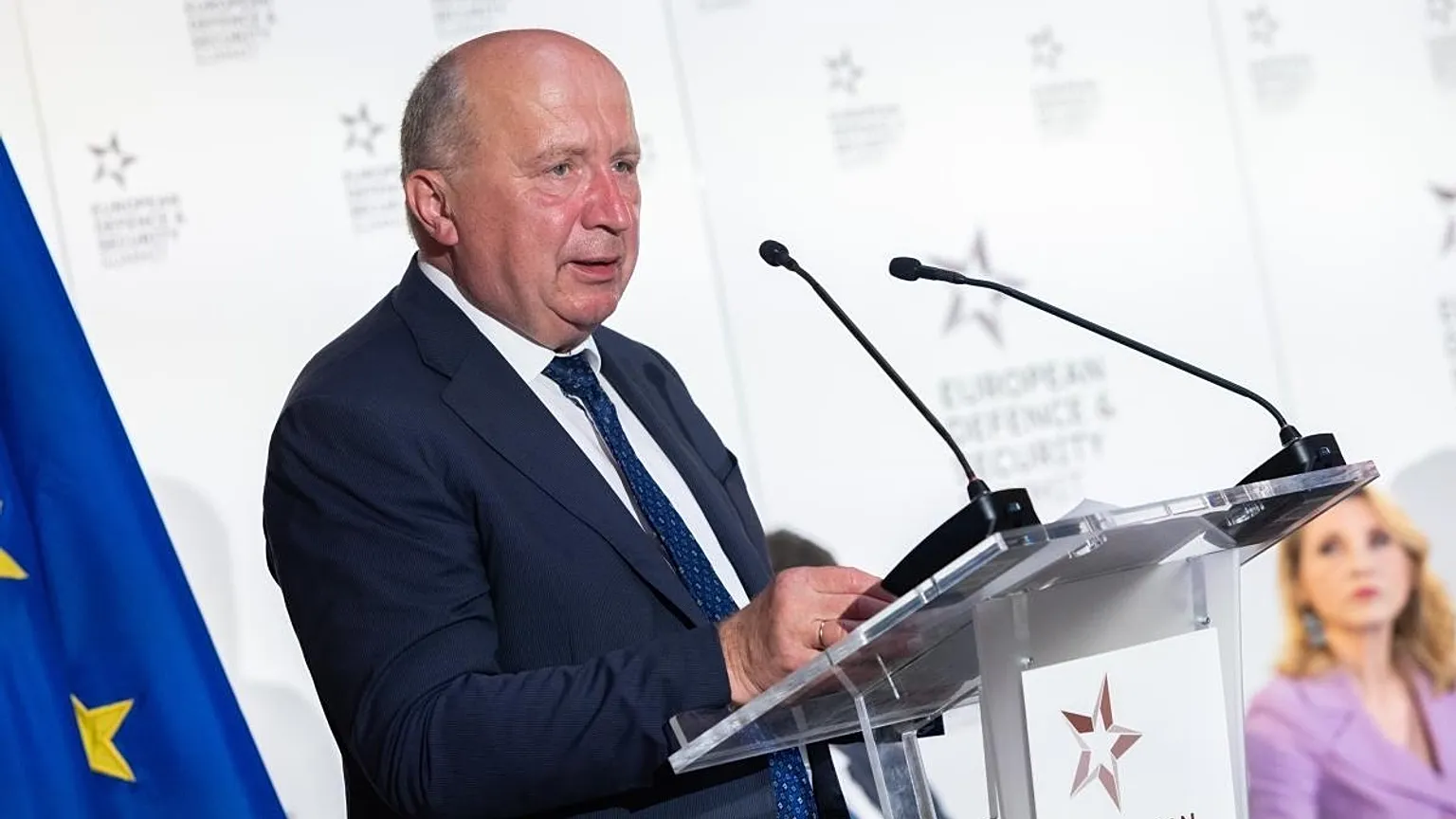
The European Union’s defence chief has warned that Moscow will persist in provoking Europe as it weakens on the battlefronts, especially following the high-profile death of a Russian exile critical of Putin residing in Poland.
Andrius Kubilius, European Commissioner for Defence, stated that Russian President Vladimir Putin’s desperation is escalating, and Europe must brace itself for possible incidents occurring within its own borders because of this.
 ADVERTISEMENT
  ADVERTISEMENT
«The Baltics and the eastern flank are also facing increased provocations,» he remarked during the European Defence and Security Summit in Brussels on Tuesday.
Kubilius mentioned last week’s assassination of Russian dissident Semyon Skrepetsky, a Poland resident, noting that he was targeted «because of his paintings about Putin».
«Regrettably, similar or even more severe attacks may take place — not only in Ukraine but across Europe,» Kubilius warned.
Skrepetsky, aged 44 and legally known as Robert Kuzovkov, was fatally shot on 8 June in a town in eastern Poland close to the Belarus border.
This Russian artist earned recognition through provocative works blending political caricature with satire, often focusing on Russia’s political leadership. Among his notable pieces is a depiction of Putin cradled by the Soviet dictator Joseph Stalin.
Polish prosecutors confirmed that Skrepetsky was shot multiple times before the suspect escaped. Authorities have detained an individual carrying a Georgian passport, Georgia being a former Soviet republic, in relation to the attack.
Local officials suggested the killing might be part of a sabotage campaign orchestrated by Moscow, aiming to instill fear and weaken support among Ukraine’s key allies.
Addressing Brussels last Thursday, Polish Prime Minister Donald Tusk described the event as potentially the first confirmed instance of «state-sponsored terrorism» executed in Europe.
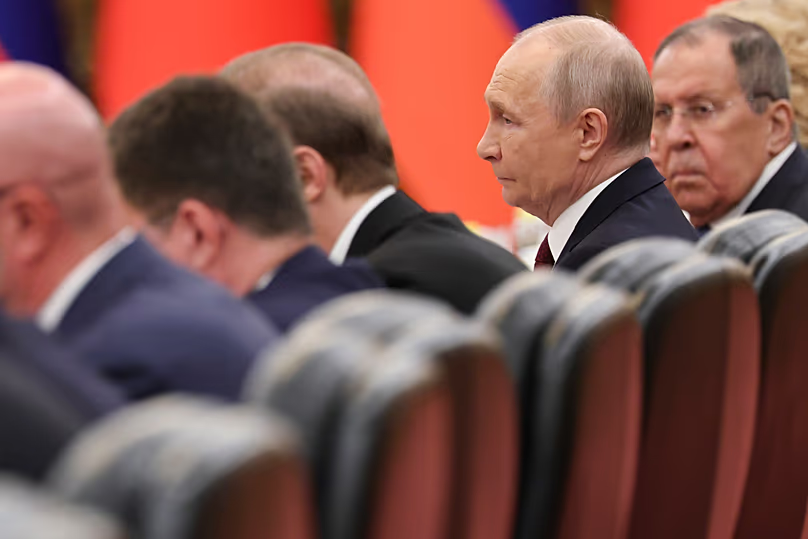
Although the attack shocked Poland in particular, Russian Foreign Minister Sergei Lavrov asserted that Moscow is not the dangerous party; rather, he claimed, Europe is “evolving into a principal threat to global peace and security.”
Production push
Kubilius used the death of Skrepetsky as a cautionary sign — emphasizing that if the 27 EU member states fail to seriously address Russian threats and do not boost defense production, further shocks may ensue.
“Russia continues to outproduce us and can deploy millions of drones,” he said.
“Putin remains a threat to European security. He is prepared and capable of testing Article 5. The real question is whether we are ready and able to defend ourselves and deter hostility.”
This concern becomes critical as the United States is projected to withdraw strategic assets worth €500 billion from Europe over the next decade, with further reductions possible after a six-month evaluation of US military positioning and bases.
The clear solution lies in Europe increasing its own arms production capacity.
Kubilius explained that this goal will be pursued by cutting bureaucratic barriers, enhancing military mobility, and ensuring European defence initiatives of shared interest, commonly referred to as joint procurement, are in place. Nonetheless, the critical element is a fully integrated defence market.
“The current fragmented European supply and demand markets dominate the status quo, which greatly slows transformation in procurement and defence doctrines,» he said.
The European Commission plans to release a communication next week outlining how to better integrate Europe’s fragmented 27 defence markets. Subsequently, the EU executive will propose reforms to defence procurement regulations and other market rules to simplify production.
The necessity for Europe to expand is evident: it produced only 250 cruise missiles in the past year and zero ballistic missiles. «Ukraine is manufacturing significantly more,» Kubilius noted.
He pointed out that the EU has allocated the necessary funds for defence, referencing the €150 billion SAFE (Security Action for Europe) loan package, and various options to amend procurement and market regulations remain under consideration.
“Now we must create a market for our defence. It is urgent and critical that we do so, and quickly,” he concluded.