
The Secretary General’s discussion with Trump takes place ahead of a potentially tense summit of leaders in July. Tensions between the Trump administration and Europe persist regarding the conflict in Iran, with the US significantly scaling back its European defense commitments.
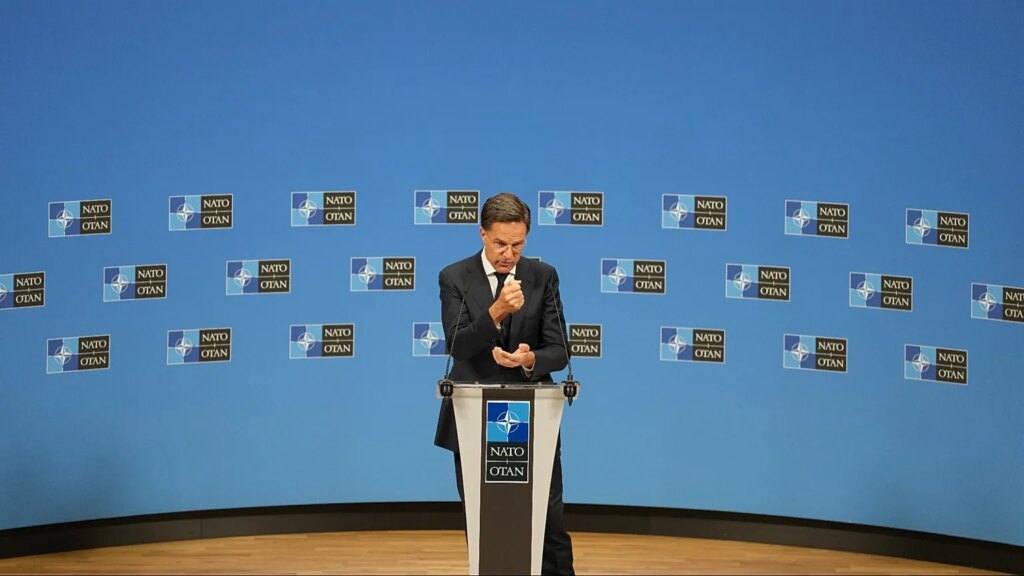
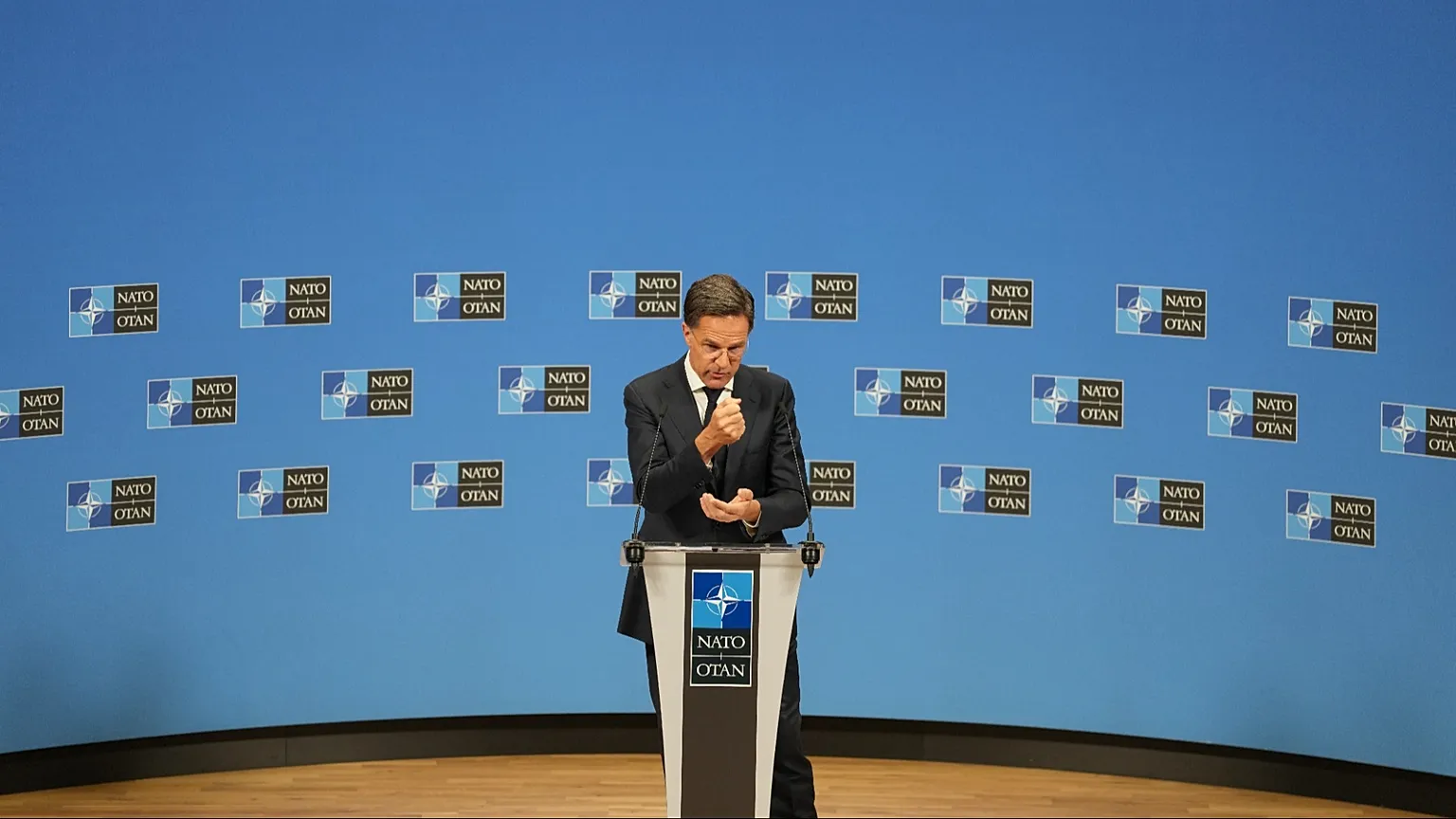
NATO Secretary General Mark Rutte is scheduled to meet US President Donald Trump at the White House on Wednesday to discuss Trump’s dissatisfaction with European allies’ refusal to engage in the Iran conflict.
 ADVERTISEMENT
  ADVERTISEMENT
With the critical NATO leaders’ summit approaching in July, sources reveal to Euronews that Rutte will adopt a conciliatory approach, presenting evidence of record defense expenditures across the alliance in response to Trump’s demands for increased European contributions to their security.
Additionally, he will highlight improvements in the US labor market linked to rising defense production aimed at meeting new orders from Europe and Canada.
“The data will be displayed prominently, using bold golden and red fonts to demonstrate to Trump the strength of his leadership,” a source remarked. “Rutte intends to show Trump that his influence within NATO contributed to allies collectively reaching $1 trillion in defense spending.”
Rutte has extensive experience in employing flattery to maintain Trump’s favor. During last year’s summit, he famously called Trump “daddy” in reference to the President’s handling of Middle Eastern conflicts.
At a NATO defense ministers meeting held last week in Brussels, Rutte noted that European allies and Canada had together allocated historic new amounts towards defense.
“European allies and Canada made significant strides with increases exceeding $90 billion in real terms compared to the previous year,” he stated during a press briefing at NATO headquarters.
“It’s remarkable,” he added, though he admitted that “some allies are still holding back and need to increase their contributions.”
Allies will convene for the annual summit in Ankara on 7-8 July, where discussions will emphasize European and Arctic security and the necessity to substantially boost defense production.
The US anticipates concrete proof that NATO members are committed to raising defense spending to 5 percent of GDP by 2035, following the spending increase agreement reached at last year’s Hague summit.
Rutte will meet Trump and US Secretary of State Marco Rubio at the Oval Office at 15:30 EST on Wednesday. During his two-day visit, he is also set to engage with Congress members and CIA officials.
‘Unwise comment’
Euronews has learned that the final declaration or conclusions expected at the July summit do not yet confirm another meeting in 2027. NATO officials, including Rutte, are reportedly reevaluating the future of the annual summit to prevent difficult confrontations with the confrontational Trump administration.
Albania is slated to host the 2027 summit, but sources indicate the event might be relocated if Albania fails to surpass the alliance’s 2 percent GDP defense spending target. Meanwhile, other members like Spain, Italy, and Czechia are also considered «lagging,» with Belgium only recently achieving the target.
On Monday, Trump threatened to withhold military aid under NATO’s collective defense clause from countries that refused calls to assist the US in its Iran war.
«We invested all this money. When we ask for help on minor issues… they say no, we prefer not to assist,» Trump told reporters in the Oval Office. «That’s a foolish thing to say, because we can reciprocate if we want, and we might.»
Trump remains angered by European nations’ perceived lack of sufficient support during the US-led Iran conflict. Some NATO allies denied US forces access to naval and military bases on routes to the Middle East. In the early stages of the war, Spain announced a ban on US military flights within its airspace in relation to the conflict; the UK initially blocked access but later permitted «defensive» strikes on Iranian missile sites.
The Pentagon later revealed a series of measures effectively curtailing the US’s long-term engagement in NATO. After German Chancellor Frederic Merz publicly criticized the US-Israeli military approach in Iran as “misguided,” Trump declared a withdrawal of 5,000 troops from Germany.
During last week’s NATO defense ministers meeting in Brussels, US Secretary of War Pete Hegseth harshly criticized his counterparts from the other 31 allies, labeling their nations “shameful” for refusing to participate or support the campaign.
Hegseth announced a six-month review of US military deployments in Europe, anticipating substantial reductions. He also threatened to cut NATO’s budget funding as punishment for countries failing to pay their shares.