
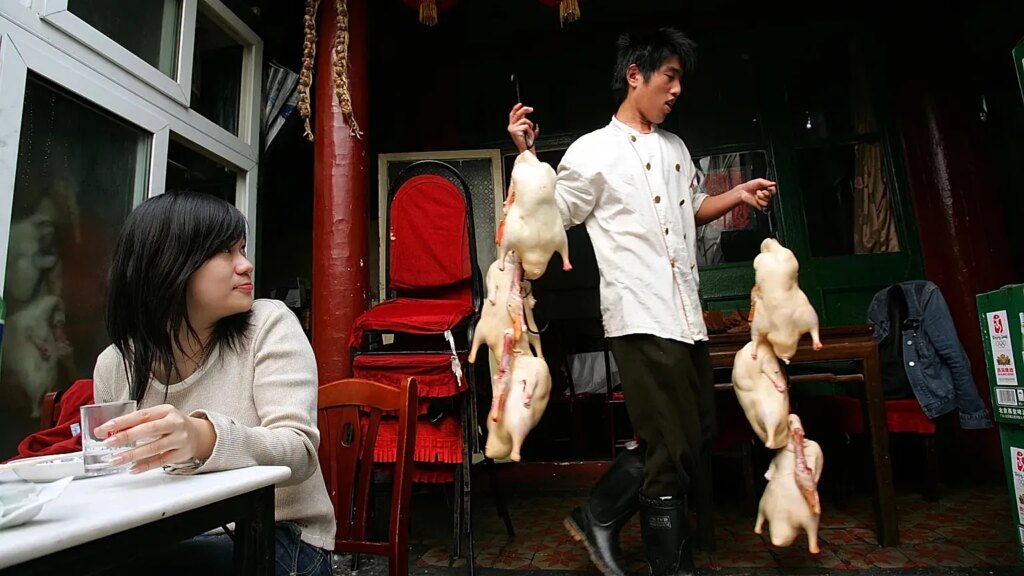
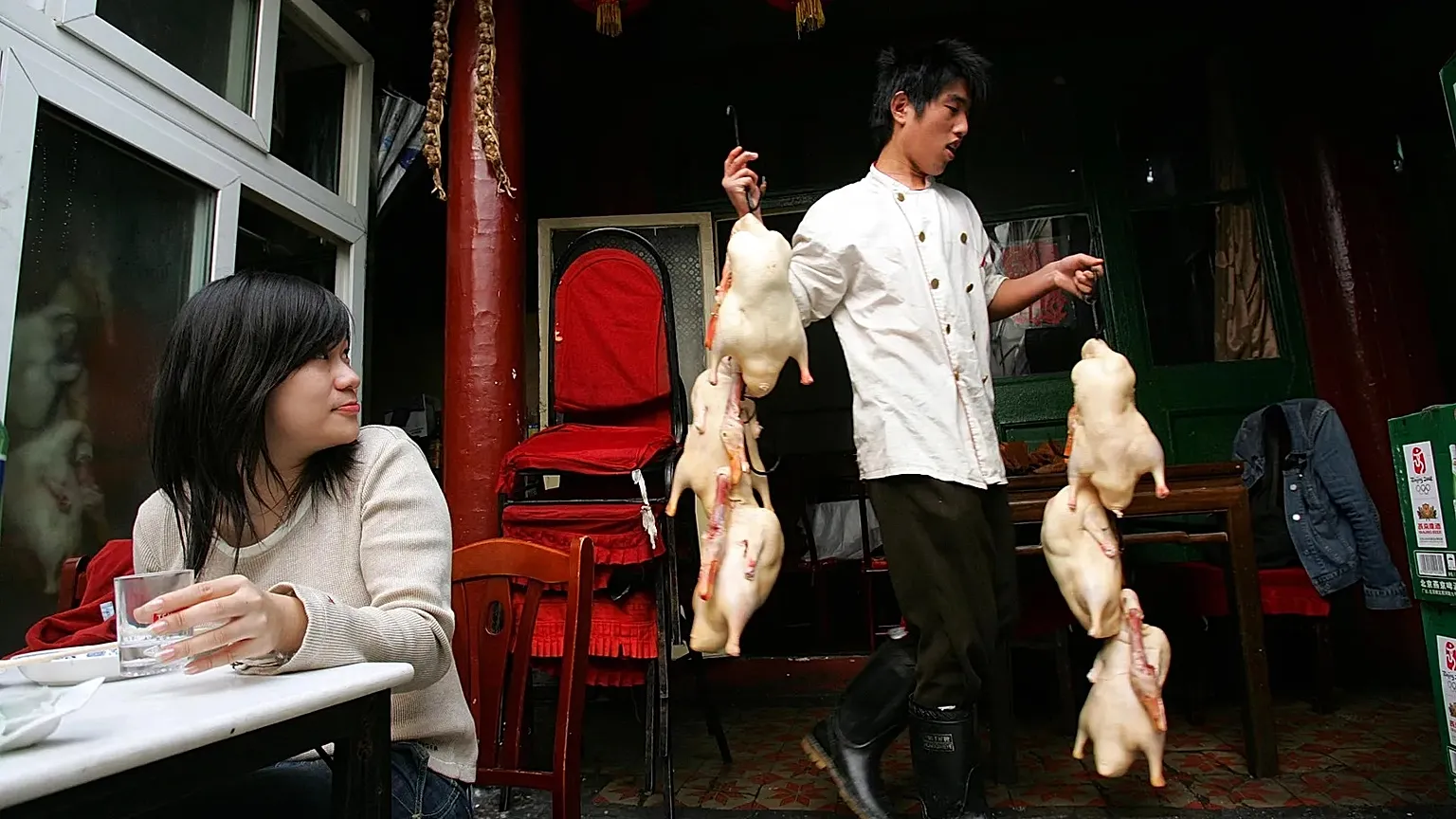
Trade talks initiated last week between Brussels and Beijing risk disruption due to an EU inquiry into Chinese Peking duck exporters, prompted by EU farmers’ complaints that inexpensive Chinese poultry imports are damaging their sector.
On Thursday, the European Commission opened an inquiry into Chinese Peking duck following grievances from several EU producers regarding unfairly low pricing impacting their businesses.
 ADVERTISEMENT
  ADVERTISEMENT
The Commission, without naming the parties, indicated that five EU producers alleged China unfairly supports its domestic industry through its five-year agricultural modernization plan.
This investigation unfolds amid increasing friction between Brussels and Beijing, as the EU moves to protect its market from low-cost Chinese imports, provoking a strong reaction from China, which seeks to maintain access to the profitable European market.
After Beijing repeatedly warned of retaliatory actions over several EU legislative drafts limiting access to EU public procurement and imposing strict foreign investment rules, negotiations began last week aiming to ease these tensions.
Nonetheless, the EU’s recent actions concerning duck imports may hinder these discussions by targeting China’s agricultural sector for the first time.
The Commission also stated that the import volumes and prices had a “negative impact on the quantities sold, pricing levels, and market share held by the Union industry,” leading to “significant adverse effects on the sector’s overall performance.”
The ongoing inquiry could lead to the imposition of anti-dumping duties on Chinese producers to safeguard the EU market.
Anti-dumping and anti-subsidy measures are key EU trade defense tools used against China’s assertive market penetration. However, in June, EU leaders authorized the Commission to intensify actions aimed at reducing the EU’s €1 billion daily trade deficit with China. They tasked the EU executive, responsible for trade policies, with reviewing these defense mechanisms and engaging Beijing in constructive dialogue that yields concrete outcomes.
EU Trade Commissioner Maroš Šefčovič met with his Chinese counterpart, Wang Wentao, in Brussels last Monday to launch talks intended to establish fair competition and address trade imbalances, which Brussels described as “unsustainable.”
Earlier in 2024, the EU imposed tariffs on Chinese electric vehicles, provoking retaliatory investigations and sanctions by China targeting EU brandy, pork, and dairy products.
The EU seeks a decisive agreement with Beijing by October, when Šefčovič plans to visit China.