
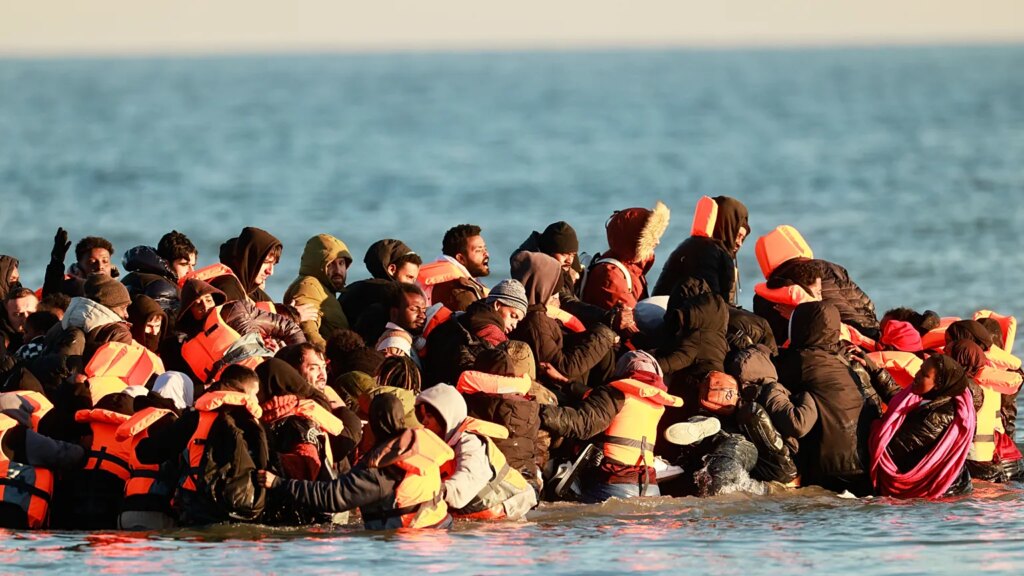
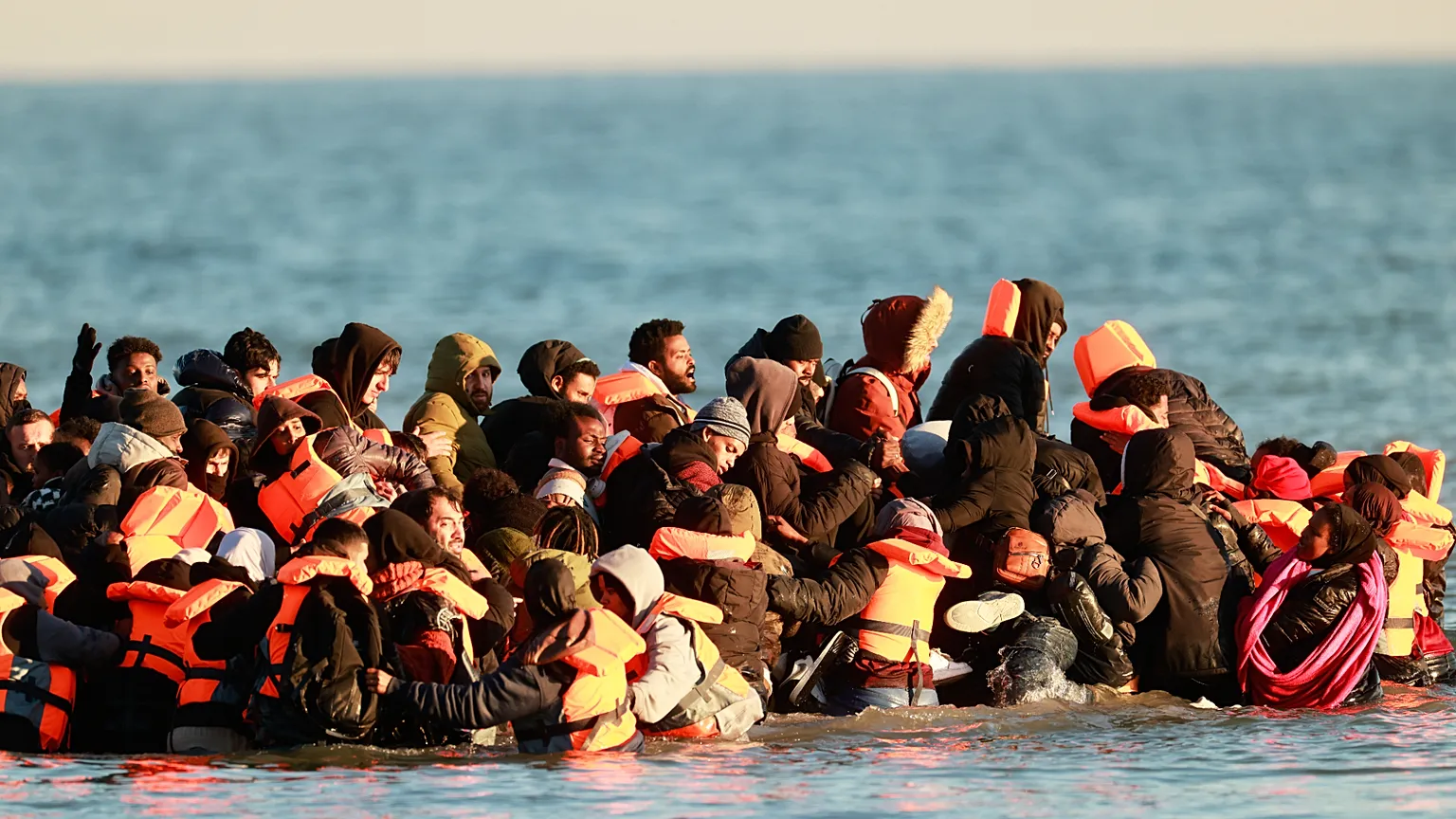
The EU’s Migration and Asylum Pact is scheduled to be fully enforced on June 12th. Its goal is to establish a unified, legally binding European framework that accelerates border screenings and distributes the responsibility for hosting asylum seekers evenly among all member countries.
In 2025, the EU registered 669,400 initial asylum applications alongside 178,000 unauthorized border crossings. This volume places significant strain on the five nations situated along the Central Mediterranean route: Spain, Italy, France, Germany, and Greece accounted for 83% of all first-time asylum claims.
 ADVERTISEMENT
  ADVERTISEMENT
The frontline states lack adequate infrastructure to house refugees, and processing times can extend to several years, leaving hundreds of thousands of vulnerable individuals in prolonged legal uncertainty. Additionally, local budgets fall short in providing sufficient long-term healthcare, education, and social services.
The Migration and Asylum Pact intends to alleviate these challenges by involving non-border states: member states are obliged to either accept a predetermined minimum quota of asylum seekers annually (set at 30,000) or contribute roughly €20,000 per rejected applicant into a collective EU fund.
Furthermore, the Pact seeks to expedite processing by mandating border countries to complete identity, health, and security verifications within a seven-day window from arrival. It will enhance the Eurodac database, improve the joint tracking system, and fast-track selected applicants.
Nevertheless, the Pact addresses only part of the solution. The Commission’s most debated proposal to tackle the migration crisis is the Return Regulation, a distinct law aimed at substantially enlarging deportation authorities.
According to the Commission’s recent State of Play report, member countries have made considerable progress implementing the Pact, «with the main components of the new framework now operational». Is this assessment widely shared? Are EU nations prepared for the revamped migration system? Participation in our anonymous poll only demands a few seconds. The findings will be presented across EU-wide XL coverage—via videos, articles, and newsletters—and will help guide future reporting by exploring how Europe positions itself in the era of artificial intelligence.