
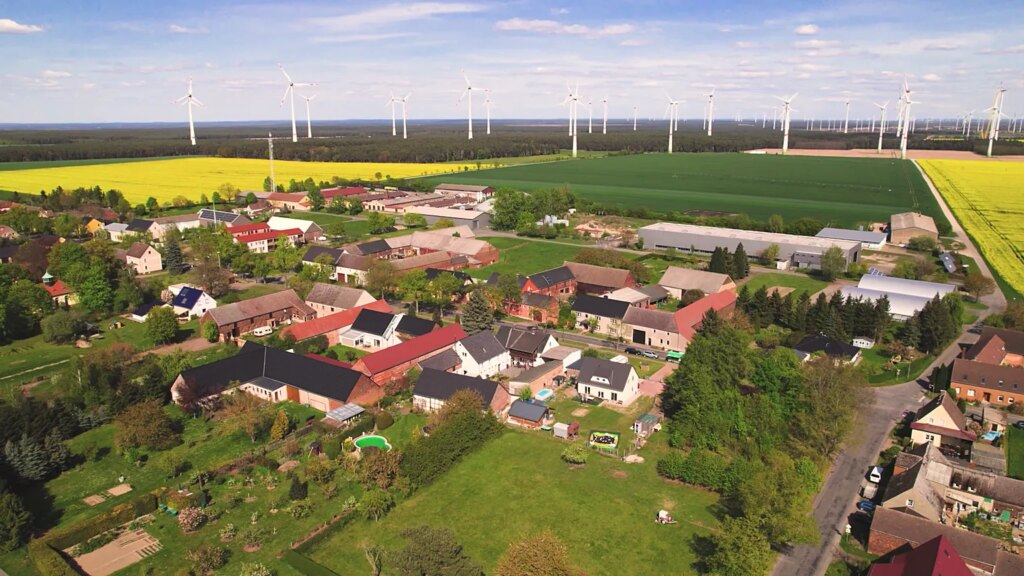
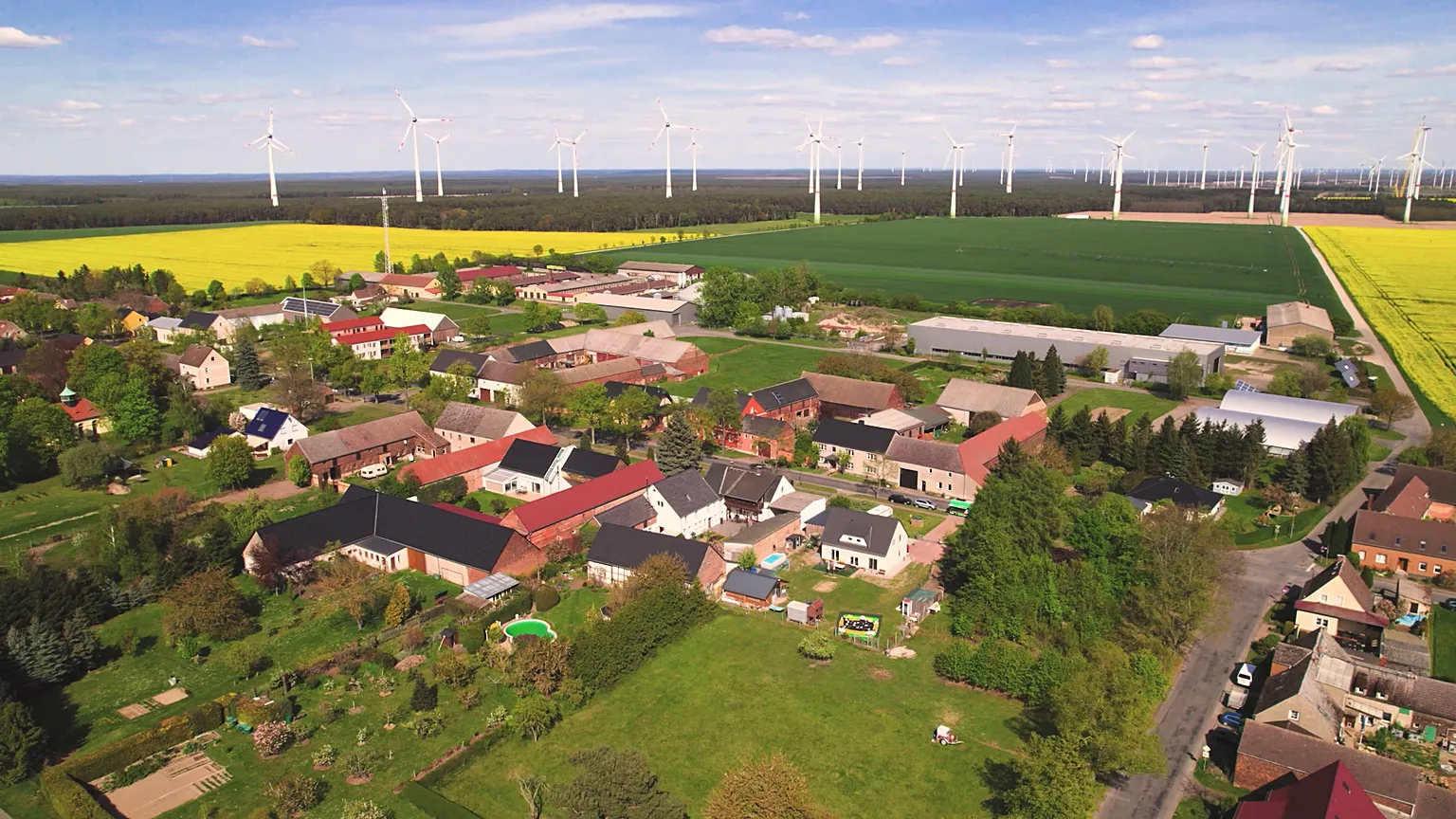
When energy prices surged across Europe due to the Hormuz crisis, most households had limited options other than enduring the impact. However, the inhabitants of Feldheim, a small village in eastern Germany, hardly felt the effect. Their electricity costs only 12 cents per kilowatt-hour.
Feldheim’s 130 residents generate their power and heating from a network of wind turbines located on the village’s outskirts, a biogas facility fueled by local corn silage and manure, a solar park established on a former Soviet military base, and a wood chip boiler serving as backup. Collectively, these facilities produce electricity far beyond the village’s needs; the excess energy is fed into the national grid.
 ADVERTISEMENT
  ADVERTISEMENT
A 10-megawatt battery storage system, partially financed by the European Regional Development Fund, ensures the stability of the local grid amid fluctuating conditions.
Implementing this setup required innovative approaches — including constructing a completely new electricity grid after the major utility companies declined participation. For Michael Raschemann, the leader of Energiequelle — the energy company driving the initiative — this demonstrates that energy independence at this scale is both achievable and vital.
“Small villages like Feldheim truly flourish — in the most positive sense — when they can directly reap the benefits of the energy they create. Unlike large cities, which lack the possibility to fully self-supply,” Raschemann explains. “We aimed to clearly demonstrate that it is feasible and economically viable. That energy can be delivered directly from the fields to homes swiftly and affordably.”
Feldheim’s achievement rests on various elements: favorable location, a small close-knit community open to novel ideas, visionary backers, and support from national and European policies. While it might not be a universal blueprint, as an example of locally-owned renewable energy’s potential, the low electricity bills offer compelling evidence.