
The European preference policy is encountering strong lobbying pressures both from within and outside the EU. Initially postponed once, the proposal now risks further deferral.
The European Commission’s initiative to integrate a so-called European preference into public procurement procedures is provoking significant lobbying efforts from EU capitals and international partners, Euronews has found out.
 ADVERTISEMENT
  ADVERTISEMENT
This proposal, aimed at counterbalancing competition from China and the US, would prioritize products manufactured in Europe in public contracts and related support mechanisms. Opponents describe it as protectionist, and several member states have tried to dilute the «made in Europe» criteria to allow participation from allied nations.
EU officials indicate that the Industrial Accelerator Act (IAA), which will set the standards for what qualifies as made in Europe, is expected to face another postponement despite being scheduled for presentation by the Commission on 26 February. The strategy was initially delayed in November 2025.
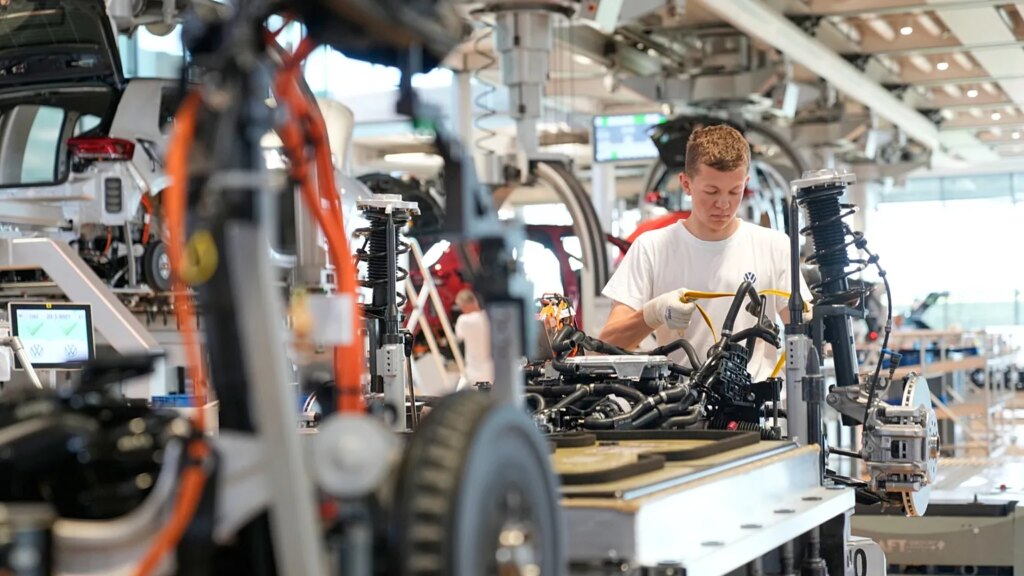
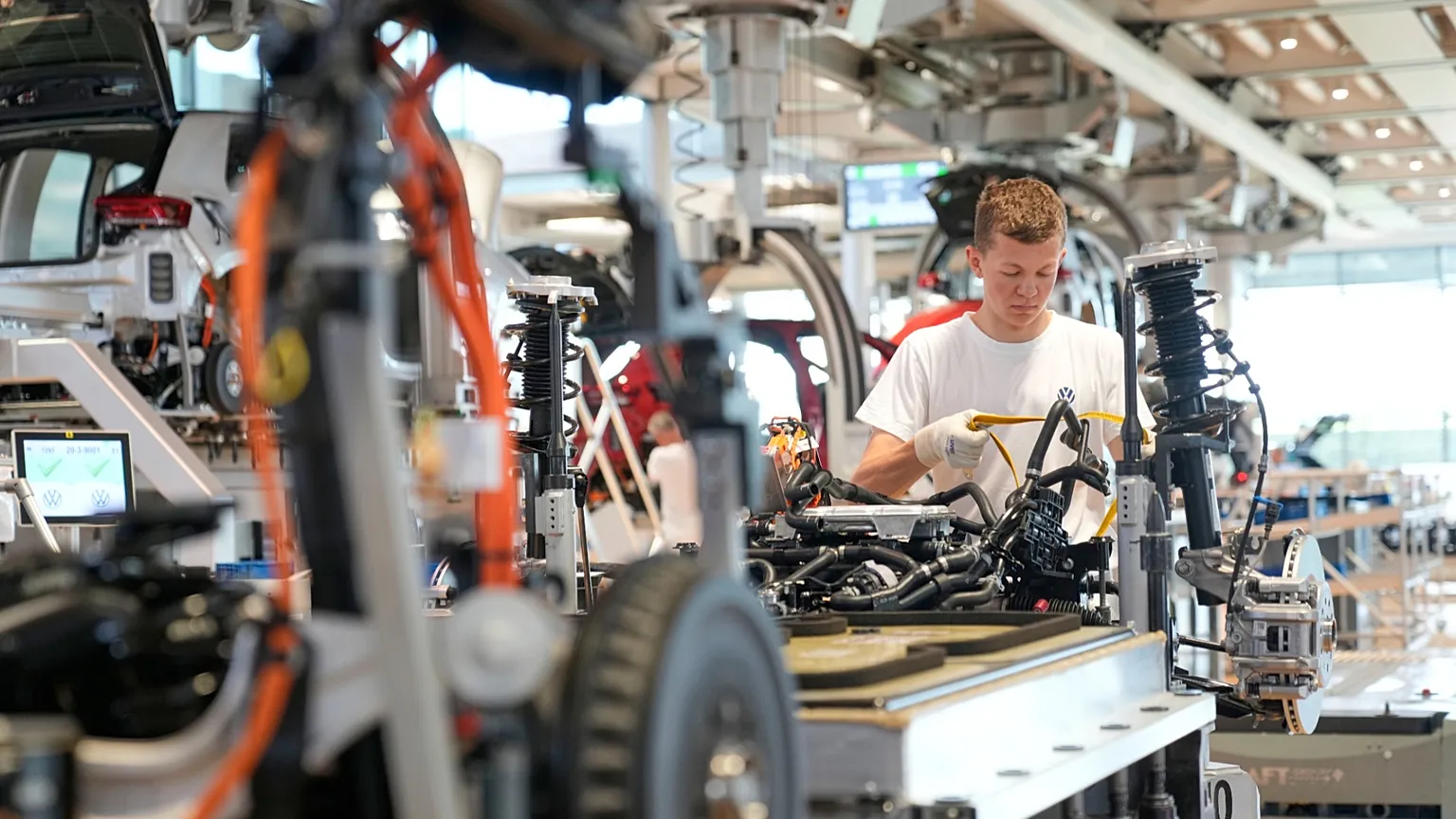
A leaked draft of the IAA obtained by Euronews highlights key sectors targeted for European preference, including chemicals, automotive, artificial intelligence, and space. The draft proposes EU content thresholds such as 70% for electric vehicles, 25% for aluminium, and 30% for plastics utilized in windows and doors.
This draft has encountered strong opposition. Nordic and Baltic countries caution that a stringent made in Europe standard could discourage investment and restrict EU firms’ access to advanced technologies from outside the EU.
In another leak reported by Euronews last week, the Commission seemed to favor the German stance: a European preference accessible to like-minded partners who commit to reciprocal procurement agreements and contribute to “the Union’s competitiveness, resilience and economic security objectives.”
Britain Worried About Protectionism
The UK is among those concerned about a protectionist shift, with British officials emphasizing the close economic ties between the EU and UK.
“Now is not the time to disrupt an already functioning system,” a British official told Euronews.
Notably, the EU remains the largest export destination for British automobiles, while numerous European car makers produce vehicles in the UK, which in 2024 ranked as the EU’s second biggest export market following the US.
“Nearly half of our trade is with the European Union. We trade nearly as much with the EU as with the rest of the world combined,” UK Chancellor Rachel Reeves stated last week.
British sources also argue that London’s robust capital markets could assist the EU in attracting investment to rejuvenate its industry—provided the bloc does not close off its markets.
The Commission is considering its next steps, aiming to propose new regulations ahead of the EU summit on competitiveness set for March. However, opposition is also rising from within, particularly from the Trade Directorate-General, historically a strong advocate for an open EU market.
Paris, a longstanding proponent of the made in Europe initiative, asserts that the concept has gained enough momentum in Brussels to become a reality, with the current discourse focusing on its execution.
EU industry commissioner Stéphane Séjourné, overseeing this dossier, stated Tuesday that the European preference “represents a significant shift in Europe’s economic policy.”
“Therefore, it is unsurprising that reaching a unified and sensible agreement requires time and effort,” he added.