
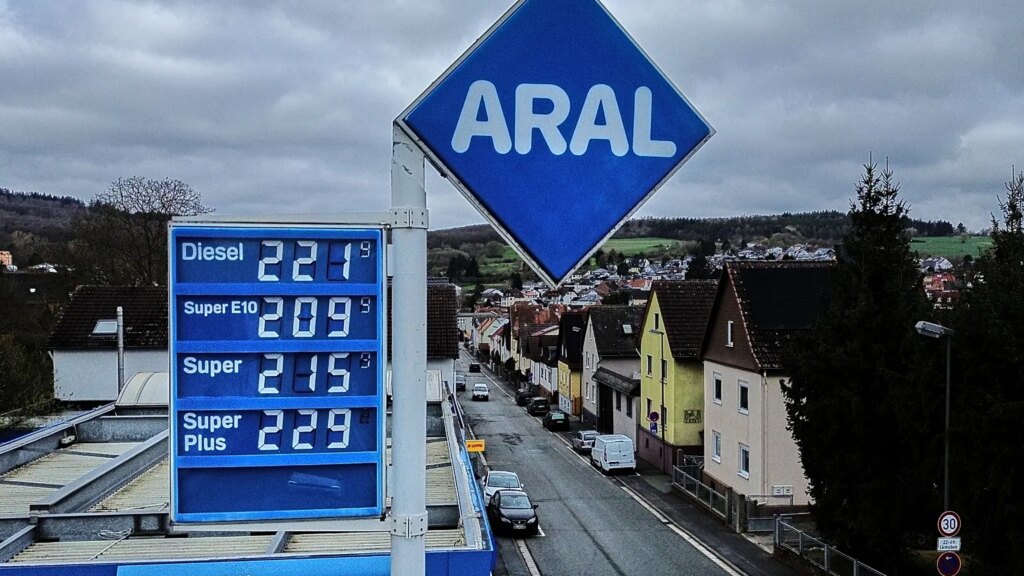
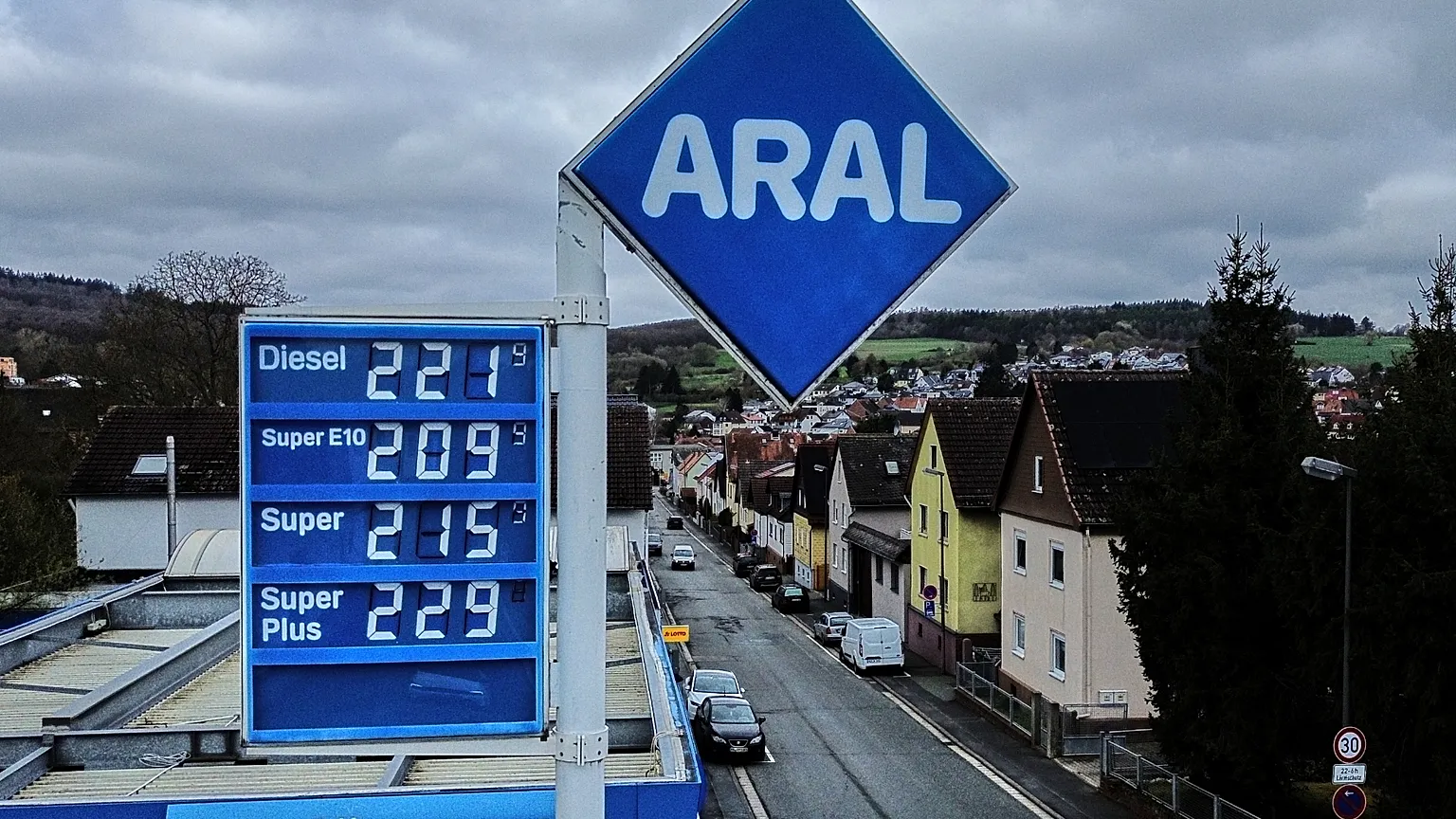
Before a ministerial assembly in Brussels, the European Commission called on EU finance ministers to maintain energy relief actions as short-term initiatives while continuing to prioritize decarbonisation targets.
Finance ministers from the European Union are debating the implementation of oil price caps or windfall profit taxes as part of a coordinated strategy to address rising energy expenses, amid sharp increases in natural gas and oil prices linked to the conflict in Iran.
 ADVERTISEMENT
  ADVERTISEMENT
Experts caution that further spikes in prices could mirror the energy crisis experienced in 2022.
EU representatives emphasize that the bloc is better equipped than during 2022, when Russia’s invasion of Ukraine caused severe shortages in energy supply. They highlight greater internal production of clean energy and more robust infrastructure as key improvements.
Nonetheless, high uncertainty persists due to the unpredictable length of the conflict. Officials also note that the EU’s “financial flexibility is more constrained than before,» as defense expenditures have risen.
Despite attempts since 2022 to diversify energy sources, Europe remains vulnerable to global shocks and must prepare for renewed instability, even if the situation does not escalate into a full-blown crisis, officials explained.
Following a ministerial gathering in Brussels on Friday, Economy Commissioner Valdis Dombrovskis noted that the “scale, severity, and consequences” of the war have grown more intense over the last fortnight.
He referred to the closure of the Strait of Hormuz and assaults on energy infrastructure, which have pushed Brent crude prices above $100 per barrel and elevated natural gas costs.
“The pivotal factor is the duration and intensity of the crisis, as these will shape the magnitude of the energy shock (…) Our collective hope remains for de-escalation and prevention of major disruptions to energy infrastructure,” stated Eurogroup President Kyriakos Mihrakakis.
Pierre Gramegna, managing director of the European Stability Mechanism, cautioned that “even if hostilities cease tomorrow, their impacts will persist for a long period.”
Discussion on EU’s instruments to address rising energy prices
During talks, ministers reviewed potential coordinated responses based on a 26 March European Commission document, viewed by Euronews, in the presence of International Energy Agency chief Fatih Birol, who has issued warnings about an energy crisis surpassing that of the 1970s.
As the long-term ramifications of the Iran conflict are evaluated, the Commission urges member states to speed up adoption of clean energy solutions. Spain and Portugal are highlighted as examples due to their lower susceptibility to price volatility associated with renewables.
Per the document, renewables accounted for approximately 48% of the EU’s electricity supply in 2025, rising from 36% in 2021, driven principally by wind and solar power. During the same timeframe, fossil fuel usage decreased from 34% to 26%.
“Europe’s energy transition stands as a strategic priority, and no short-term upheaval will derail this course,” declared Dombrovskis.
The Commission also urges member states to reduce demand for gas and oil, echoing an IEA alert issued on 20 March, one day after EU leaders unveiled “targeted and temporary” measures aimed at alleviating energy costs.
Brussels has emphasized that such interventions should remain brief and cost-effective in order to avoid long-term fiscal pressures.
The document further suggests focused assistance for households and businesses most impacted, rather than widespread subsidies that might distort markets and stress public budgets.
To prevent a recurrence of fragmented national actions as seen in previous crises, the Commission advocates for EU-wide coordination, funded through existing mechanisms such as revenues from the carbon market or windfall taxes, without resorting to new borrowing.
In the upcoming weeks, the Commission is expected to propose reduced tax rates on electricity and initiatives to ensure its taxation is lighter than that on fossil fuels. Additionally, plans to modernize the EU’s carbon market will be outlined, including revisions to free allocation benchmarks and enhancements to the Market Stability Reserve to reduce price fluctuations.