
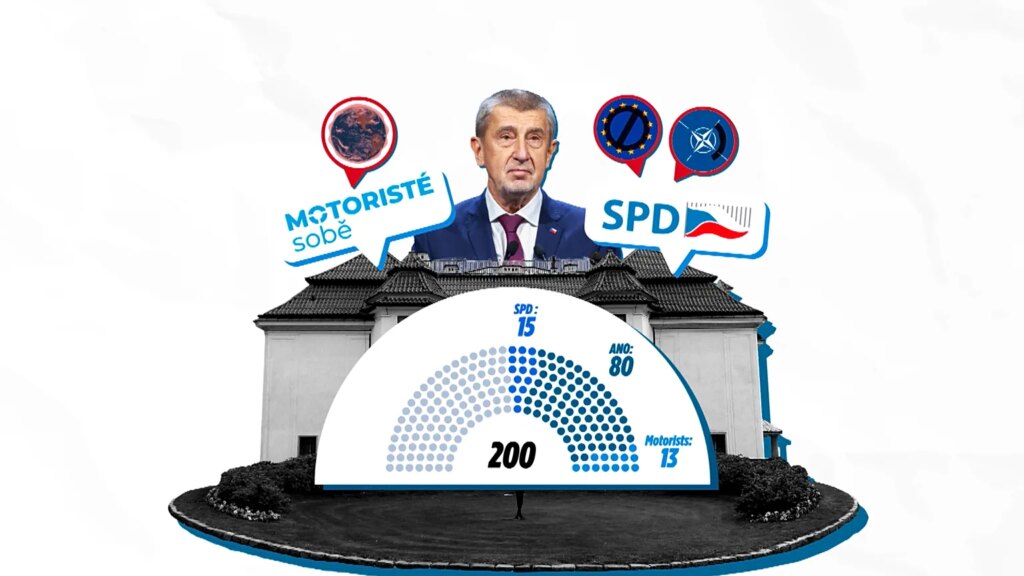
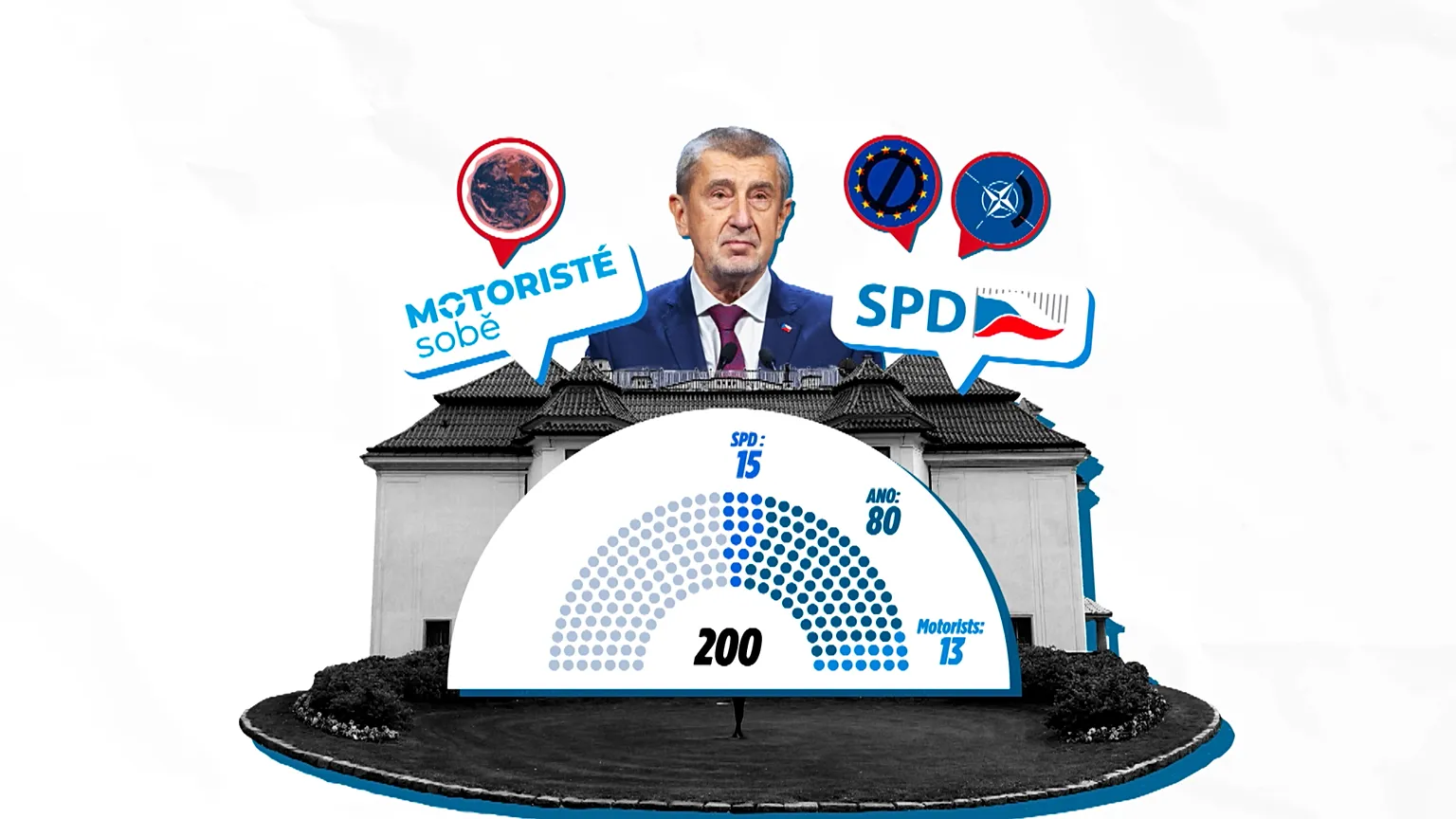
Andrej Babiš resumes his role as the prime minister of the Czech Republic this Tuesday. His profile leans more towards a CEO than a political ideologue.
Need a remedy? Brussels faces a fresh headache.
It began with Viktor Orbán in Hungary, followed by Robert Fico in Slovakia. Now, Andrej Babiš steps back into the prime minister position in the Czech Republic.
After Babiš secured his electoral win, President Petr Pavel delayed his appointment until Babiš consented to hand over control of his extensive chemical and food conglomerate, Agrofert, to independent trustees.
To form a government, Babiš brought in the Motorists party, known for strong climate change skepticism, along with the SPD, a party openly against the EU and NATO.
Observers who scrutinize the Hungarian premier have questioned if Babiš is a mere replica of Orbán. The answer is no.
Orbán embodies an ideological stance. Conversely, Babiš operates more like a CEO, articulating the messages that resonate with the public.
Within the newly established cabinet of 16 members, the Motorists party holds four positions, while the SPD claims three. Nevertheless, Babiš reserved nine critical ministerial roles—including his own—for his close allies.
Viewed through a corporate lens, he maintained controlling shares to ensure the hardliner factions remain moderated.
While Babiš adopts a firm position regarding support for Ukraine, analysts suggest he will not halt Czech arms manufacturers from exporting munitions to Kyiv. The reason lies in the profitability of this sector.
He intends to oppose the Green Deal mainly to shield the Czech automotive industry, which accounts for 10% of the national GDP and contributes 25% of exports.
Ultimately, he might leverage the EU framework to negotiate more favorable terms but is unlikely to jeopardize it entirely, as he has considerable investments within the union’s institutions.
Journalists • Jakub Janas