
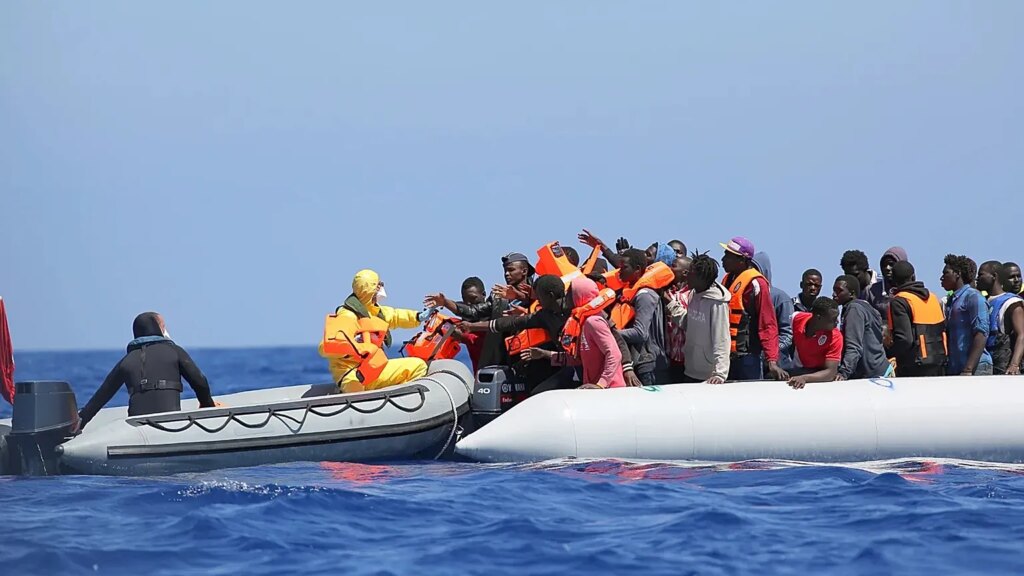
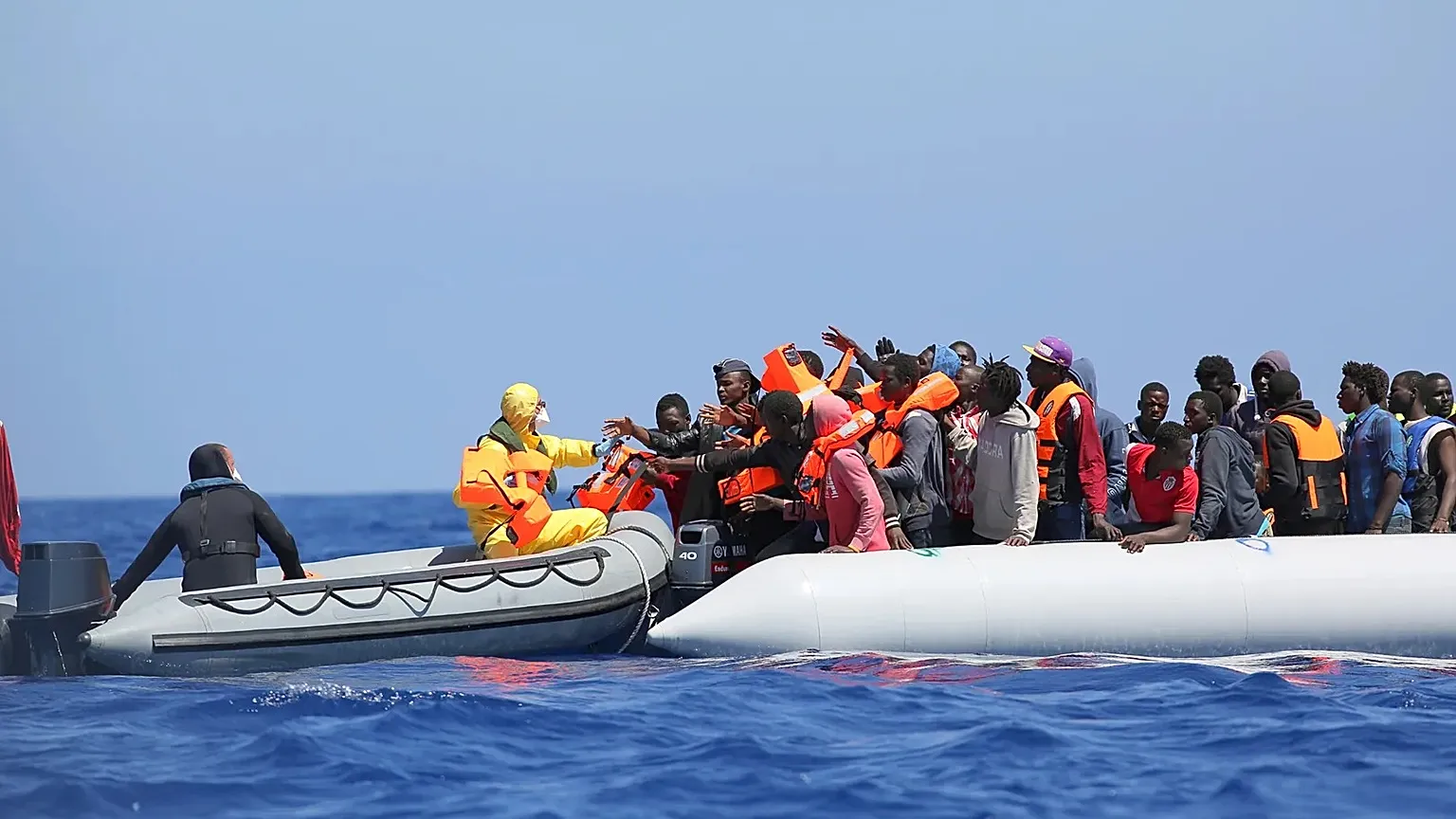
During a ministers’ meeting on Monday in Brussels, several member states are expected to contend that the responsibilities imposed by the so-called “Solidarity Pool” mechanism are excessive.
The number of asylum seekers to be relocated across the EU in 2026 from countries most burdened by migration will be lower than initially anticipated.
At the Monday meeting in Brussels, the 27 EU Home Affairs Ministers are due to review the scale of the “solidarity pool” – a system designed to establish the total asylum seekers to be relocated the next year and the quota that each country ought to fulfill, either by hosting asylum seekers or compensating others financially.
The European Commission has put forward a proposal to relocate asylum seekers from four states deemed “under migratory pressure”: Spain, Italy, Greece, and Cyprus.
Although the specifics of the proposal remain confidential, sources indicate the total pool would involve 30,000 individuals. Still, EU member states aim to negotiate lowering this figure, as national governments are reluctant both to accept increased numbers of migrants and to provide financial compensation to other countries.
“It will be less than 30,000”
Per EU regulations, countries classified as “under migratory pressure” should, the following year, benefit from the compulsory solidarity of other EU members—either through relocation of asylum seekers or via monetary aid to those most pressured.
It is the European Commission’s responsibility to propose the size of this solidarity scheme, with a legal baseline requiring at least 30,000 relocations and €600 million in financial contributions. Member states then choose how they wish to participate.
An EU source familiar with the confidential document revealed that the Commission opted for the highest minimum threshold for relocations.
In practice, this implies relocating 30,000 asylum seekers from the four southern EU countries to the other 23 members, with numbers allocated differently among them. Relocation quotas are based on each state’s population and GDP figures.
According to the source, the Commission’s proposal expresses these quotas as percentages rather than absolute numbers, with Germany allocated the largest share. Approximately 42% of the proposed relocations pertain to individuals rescued at sea and disembarked in one of the four pressure-hit countries.
Nevertheless, member states intend to lower this overall figure, arguing for a shortened first solidarity cycle since the new migration regulations will only take effect in June 2026.
“States want to adjust the size,” a diplomat commented. “It will be below what the Commission initially proposed.”
Although this reduction is not specifically allowed by the law, the Commission appears open to considering it for the next year.
“The Commission’s proposal for the annual solidarity pool covers a full year, yet the decreased implementation timeframe is a factor the Council may take into account during the adoption process of the solidarity pool,” stated a Commission spokesperson in a Friday briefing.
Member states say no
Beyond a potential cut in the pool’s size, the number of contributing member states might also decrease.
The Commission’s proposal allows certain states classified as “facing a significant migratory situation” to seek full or partial exemptions from their quotas, subject to approval by other member states.
Countries such as Bulgaria, Czechia, Estonia, Croatia, Austria, and Poland possess this option, with most having requested exemptions, according to several EU sources cited by Euronews.
In Poland’s case, Prime Minister Donald Tusk announced the request shortly after the proposal’s release.
“Poland will neither accept migrants under the Migration Pact nor finance this,” he tweeted on X.
Approving any exemption requires a qualified majority in the EU Council, which means 15 out of 27 member states representing at least 65% of the EU population must support it.
An exempt country’s share of relocations and financial contributions will not be redistributed to others, resulting in less support for countries “under migratory pressure” in the overall scheme.
“Exemptions and reductions should be kept minimal and genuinely justified,” noted a diplomat, indicating this topic will be contentious during discussions.
No exemption or reduction can be granted to Hungary, for example, despite Prime Minister Viktor Orbán insisting on non-compliance with the rules.
Sources familiar with the situation say most EU members would prefer to make financial payments, which amount to €20,000 per person not relocated, rather than host migrants. Some countries like Germany or Sweden could benefit from the “responsibility offset,” a mechanism in the law that could further decrease effective relocations.
Several Central and Northern European states currently have individuals who should have sought asylum in their initial EU entry point but instead irregularly moved through the Union (the so-called “secondary movements”).
Under the offset mechanism, these countries may subtract such people from their solidarity quota instead of returning them to frontline states—a process that has proven very difficult so far.
“Italy and Greece have not accepted transfers under the previous system. So this mechanism represents an actual opportunity,” remarked one diplomat.