
Alerting to a «crisis point», the European Commission has unveiled an action plan targeting criminal traffickers, emphasizing innovation.
The European Commission has introduced a legislative package aimed at combating drug trafficking, a criminal enterprise increasingly impacting the lives of European citizens through violence, corruption, environmental damage, and undermining the legal economy.
Illegal drug consumption is rapidly rising within the EU, with the scenario reaching a “crisis point”, stated EU Home Affairs Commissioner Magnus Brunner on Wednesday. He highlighted that approximately 7,500 deaths occur annually in Europe due to drug use.
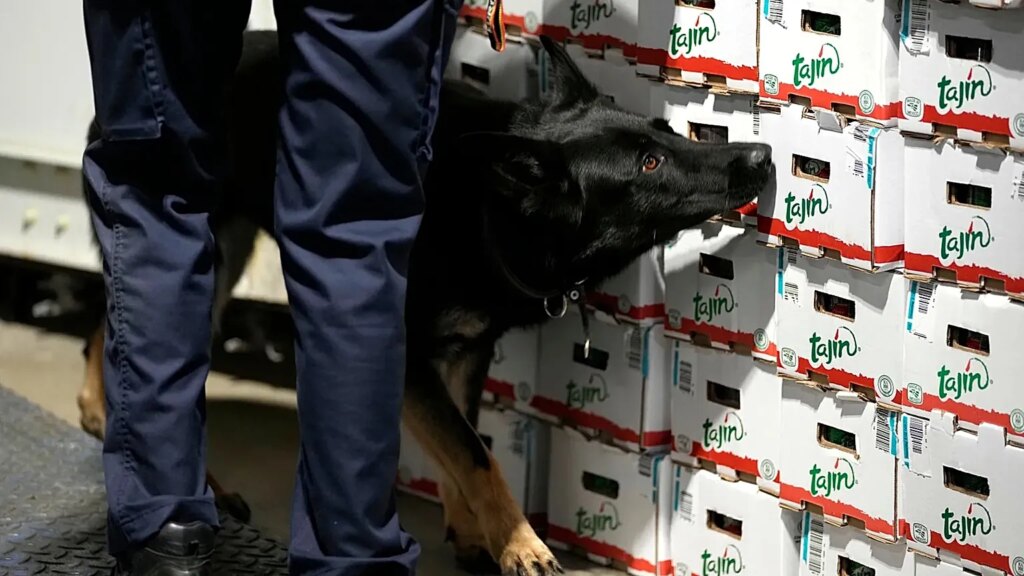
In 2023, 419 tonnes of cocaine were intercepted throughout Europe, and around 500 synthetic drug laboratories are dismantled yearly, with over half of the most dangerous criminal groups engaged in drug trafficking.
To combat these networks, the Commission has proposed the EU Drugs Strategy alongside an Action Plan against drug trafficking that includes 19 essential operational measures.
Key priorities involve enhancing international collaboration with third countries and intensifying cooperation among law enforcement, judicial, and customs authorities across EU member states.
Brunner also underscored the necessity to adapt counter-strategies in response to the shifting routes and tactics employed by criminal organizations.
“Drug traffickers utilize the latest technologies, which is why focusing on innovation is crucial to surpass them,” he explained, announcing the launch in 2026 of “an innovation campus dedicated to testing advanced technologies to disrupt drug trafficking.”
He referenced the use of aerial assets, high-resolution satellite imagery, and drones, to be supplied by the European border and coast guard agency, Frontex.
To prevent offenses and lower drug-related violence among youth, the Commission has additionally proposed an EU-wide platform connecting experts throughout Europe to address online recruitment, while a new EU-wide substance database will assist national authorities in the identification of emerging drugs.
Commissioner Brunner highlighted that Europol’s role will be crucial in enhancing intelligence sharing and coordinating joint investigations.
“We are closely aligned with the EU member states, and we strive to support them in accomplishing this task.”