
Humanitarians argue this case illustrates a wider European effort to suppress individuals and groups who assist migrants and asylum seekers.
Twenty-four humanitarian volunteers involved in search and rescue missions on the Greek island of Lesvos between 2016 and 2021 have now commenced a trial they have awaited for years.
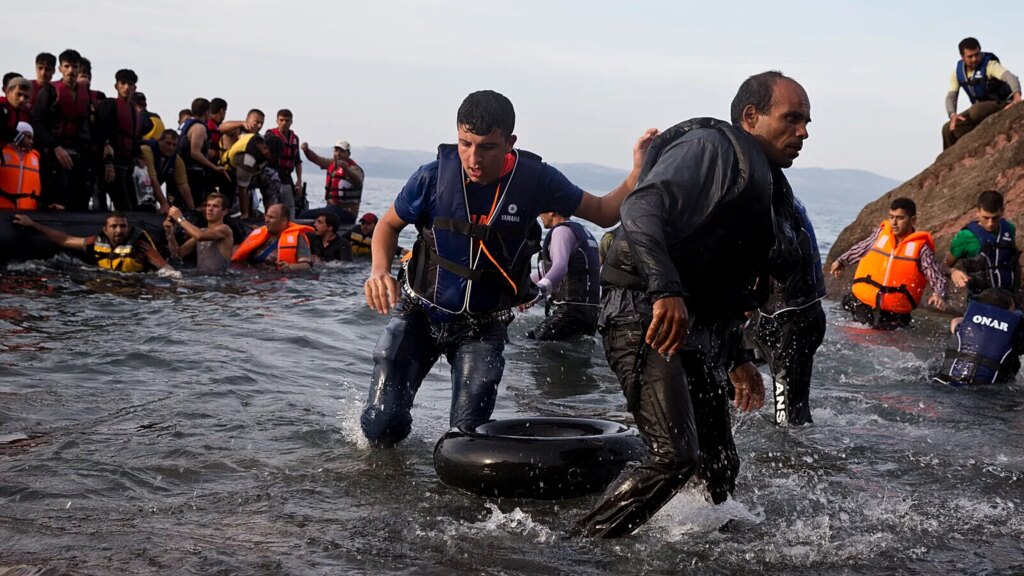
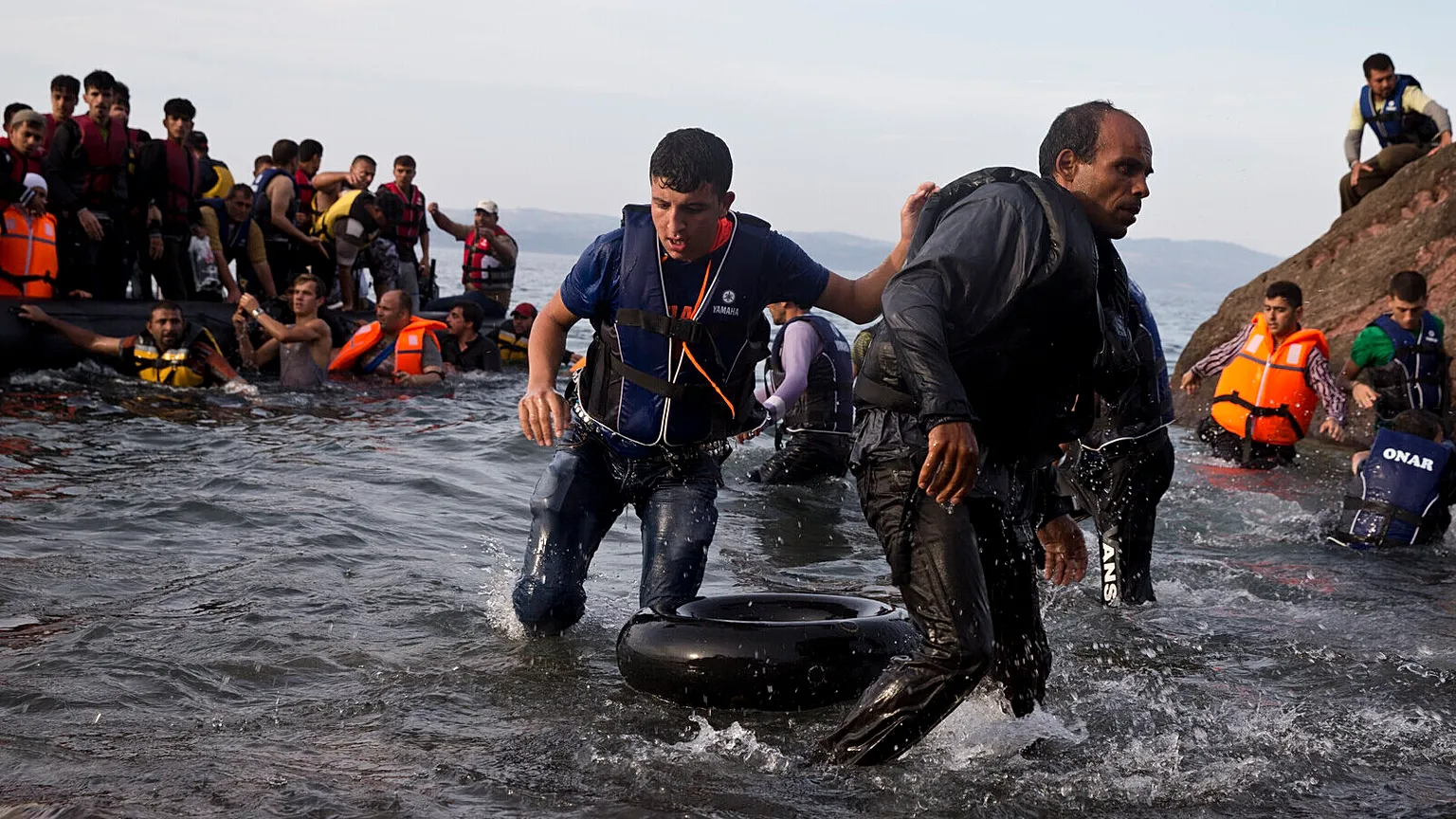
Once known as a tourist paradise, Lesvos transformed into a major landing site for individuals and small vessels en route to Europe in 2015, the year that represented the height of the continent’s migration crisis.
More than a decade later, the defendants—24 in all—are facing potential sentences of up to 20 years for charges including alleged involvement in a criminal organization, aiding illegal entry of third-country nationals into Greece, and money laundering.
Although Greek authorities portray the trial as a matter of border security, human rights organisations have dismissed the allegations as “unfounded,” criticizing the weak evidence and accusing officials of politically motivated efforts against humanitarian actors.
This unfolds after prolonged claims that Greek authorities have violated both international and European laws in handling arrivals of migrants and asylum seekers.
In January, the European Court of Human Rights in Strasbourg ruled that the Greek coast guard systematically conducted so-called pushbacks against potential asylum seekers, marking the first official judicial recognition of a practice Greece has steadfastly denied.
‘I’m sure my actions were justified’
Among the defendants is Seán Binder, a German-Irish national who arrived in Lesvos in 2017 at age 23. Binder served as a volunteer in search and rescue with the now-defunct Emergency Rescue Centre International (ERCI), a registered Greek humanitarian NGO.
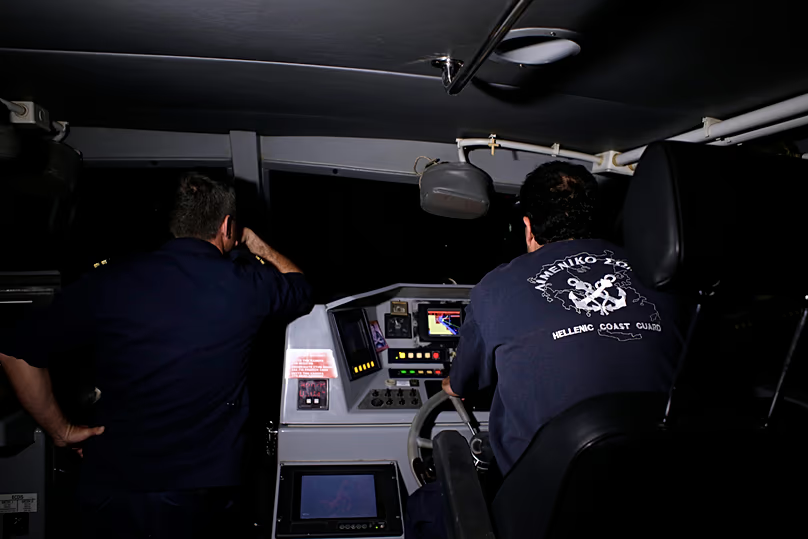
“Most of my time was spent on ‘spotting shifts,’ scanning the Turkish coast a few miles away, where traffickers send people out in boats toward Europe to seek asylum,” Binder explained to Euronews.
“The boats avoid detection, so no bright lights are used. Instead, we listened for distress signals, shouting, and cries. I coordinated with the coast guard weekly and notified port authorities before heading out,” he added.
Binder’s volunteer role ended abruptly when he was arrested in 2018 alongside Sarah Mardini, a Syrian NGO activist who famously swam across the Mediterranean with her sister Yusra—a story dramatized in the Netflix film The Swimmers.
Expressing to Euronews his frustration over the seven-year legal battle, Binder stated, “If we really were the criminals they accuse us of being, wouldn’t we have been imprisoned by now?”
In 2023, Binder and several other defendants were cleared of multiple misdemeanor charges including forgery, illegal radio surveillance, and espionage. The remaining misdemeanor accusations against 16 other defendants were dismissed the following year.
Binder told Euronews that this time, he feels prepared.
“From a practical standpoint, I have gotten ready for the possibility of jail. I have saved a small fund so my mother and relatives can visit me while I am incarcerated,” he explained.
“I remain convinced that my actions were justified. What I doubt is whether the police have acted correctly all these years. Nevertheless, I hold hope that the judiciary will act fairly—we are, after all, in the birthplace of democracy.”
Arrivals forced into a ‘state of invisibility’
Currently, no NGOs are conducting search and rescue missions or offering emergency services during arrivals on Lesvos, despite the island receiving more than 3,500 people so far this year, according to the UN refugee agency.
The last landing with first responders present was recorded in March 2020. That same year, the Greek government introduced stricter registry regulations for organizations and individuals assisting asylum seekers and migrants.
Freelance journalist Franziska Grillmeier, who has covered the situation at the EU’s external borders with an emphasis on Lesvos, noted that since Binder’s arrest, it has “become much more common to obstruct the efforts of first aid volunteers and humanitarian workers on the Aegean islands.”
“This has led to a total erasure of visibility,” she said. “The reality is no longer observable. If I were a reporter today, documenting a boat arrival would provoke numerous inquiries.”
Wies de Graeve, Executive Director of Amnesty International Belgium, described the charges against Binder as “part of a Europe-wide trend criminalizing acts of solidarity,” asserting that European governments are “sanctioning those attempting to address this dangerous void.”
Cases similar to Binder’s have been pursued in various European nations. In another notable 2018 case, three Spanish firefighters involved in rescue operations for migrants and refugees in Lesvos faced smuggling accusations but were acquitted.
Brussels-based NGO PICUM reports that up to 142 individuals encountered comparable legal proceedings in 2024.
Throughout the years Binder awaited trial, European migration policy has shifted distinctly toward a more rigid stance, with leaders increasingly endorsing strict measures and exploring new, so-called “innovative” strategies to reduce arrivals.