
This summer, much of Europe has been hit by consecutive heatwaves. Experts warn that climate change driven by human activity will likely escalate the frequency and severity of heatwaves.
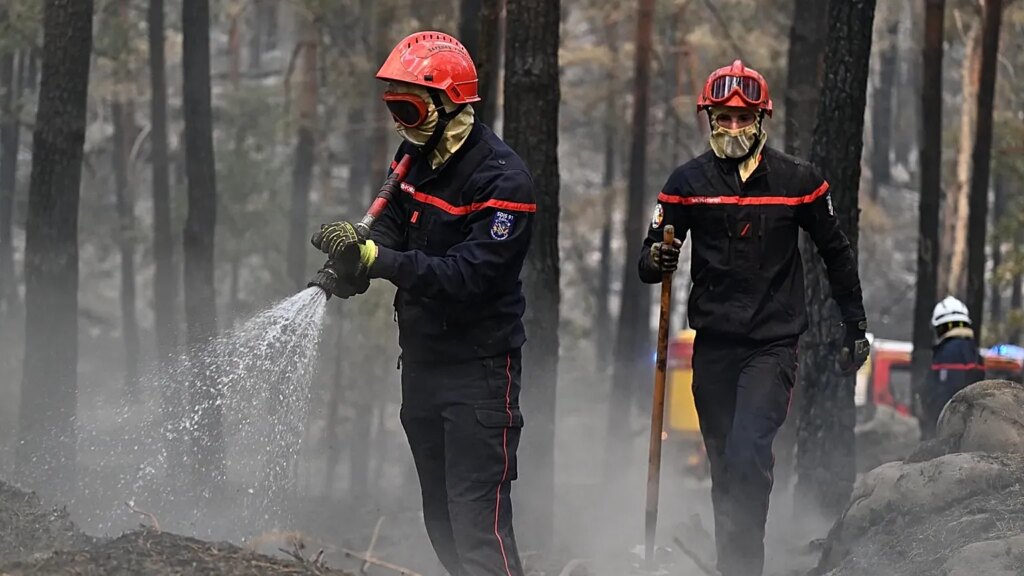
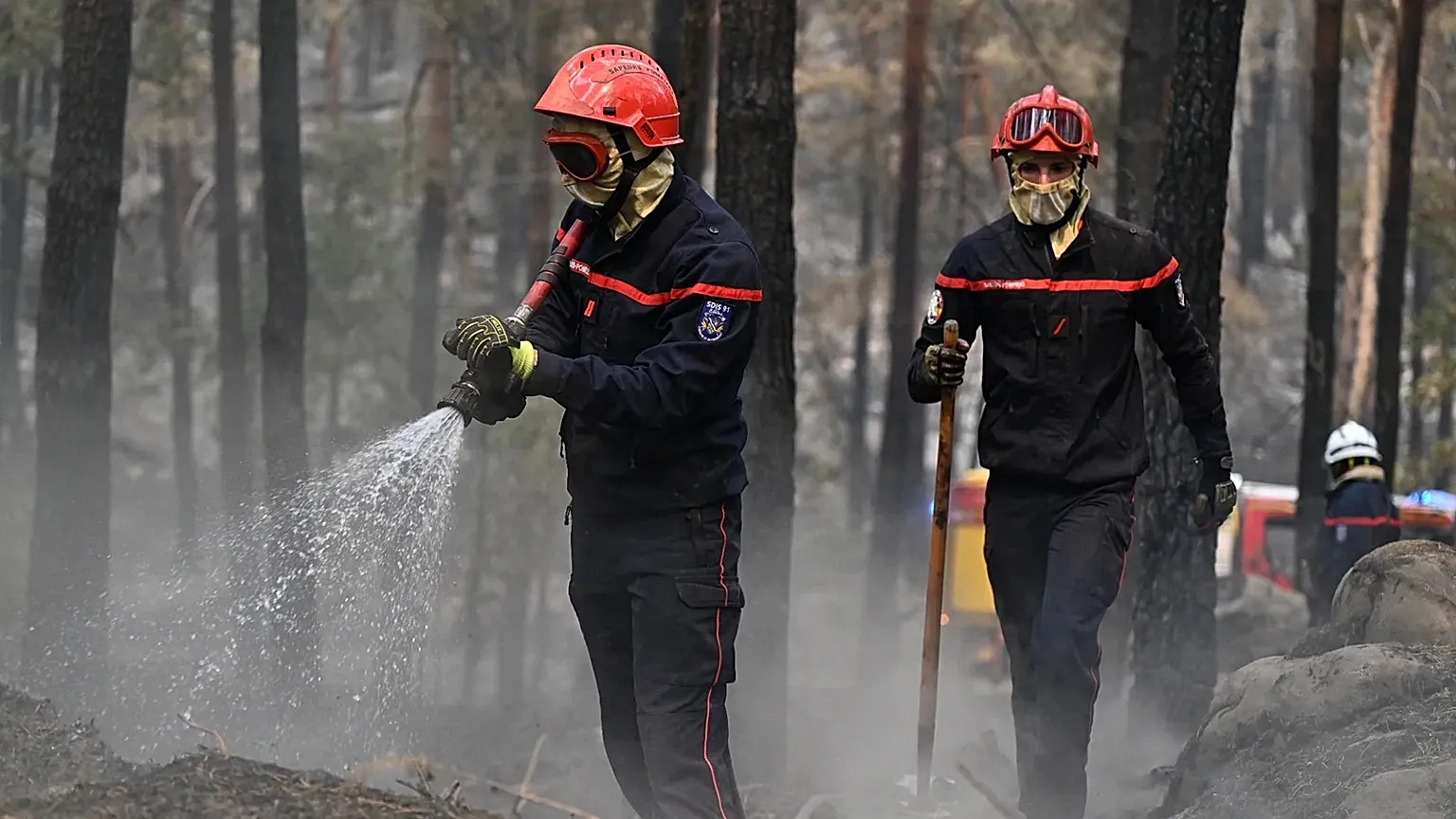
Officials confirmed on Tuesday that two firefighters lost their lives while fighting a blaze near Bordeaux’s international airport in France.
 ADVERTISEMENT
  ADVERTISEMENT
French media sources report that the fire originated from a brush fire close to one of the airport’s parking facilities before extending to a nearby building.
To allow emergency teams to operate efficiently, multiple access roads to the airport were shut down. The airport issued a statement noting that the fire caused delays for a number of flights.
Interior Minister Laurent Nuñez expressed profound sorrow, conveying «deepest sympathies to the families, loved ones, comrades in arms, and all members of the Gironde Departmental Fire and Rescue Service.»
He also praised the outstanding efforts of the firefighters on site, highlighting their exemplary bravery and commitment amidst exceptionally challenging circumstances, as shared via his X account.
President Emmanuel Macron extended «condolences, respect, and national support» to the victims’ families and friends, along with all firefighters throughout France.
Wildfire devastates southern France
Another wildfire broke out on Tuesday in the Var region in southern France, displacing hundreds and causing widespread power outages.
By Wednesday, firefighters reported that they had brought the fire under control.
«At present, the fire remains contained within its perimeter and is not spreading significantly,» regional fire chief Eric Grohin stated to the press.
«However, many hotspots persist with flames in multiple locations, so vigilance remains high this morning,» he added.
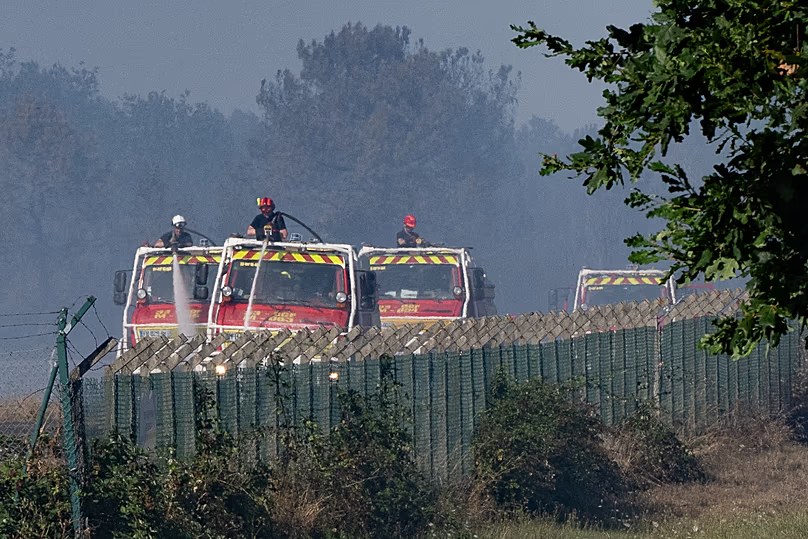
According to Meteo-France, the dry weather conditions in the region are responsible for the very high risk of forest fires. The combination of repeated heatwaves and drought triggered an earlier start to the 2026 wildfire season.
The European Forest Fire Information System (EFFIS) reported that by mid-July, over 42,000 hectares had been scorched in France, exceeding the previous record set in 2022.
The affected territory is roughly four times larger than Paris. Moreover, the total burned area in 2026 has already surpassed the entire figure recorded during 2025. The country’s record for annual burned land is 66,300 hectares, set in 2022.
Firefighters have contended with near-daily fire outbreaks across France in recent weeks. Last week, President Emmanuel Macron stated that the number of blazes has not been this high since World War II.
Spain’s most extensive wildfire this year
Wildfires continue to burn across several European countries, including Spain, Italy, Portugal, and Greece.
In Spain, more than 600 firefighters and military personnel, supported by 29 aircraft, have been battling a large wildfire north of Madrid for six days.
The authorities have classified the fire, which ignited in Guadalajara province, as one of the most challenging and significant wildfires in Spain this year.
So far, the fire has consumed 30,000 hectares, prompting the evacuation of approximately 1,200 residents from the affected zones.
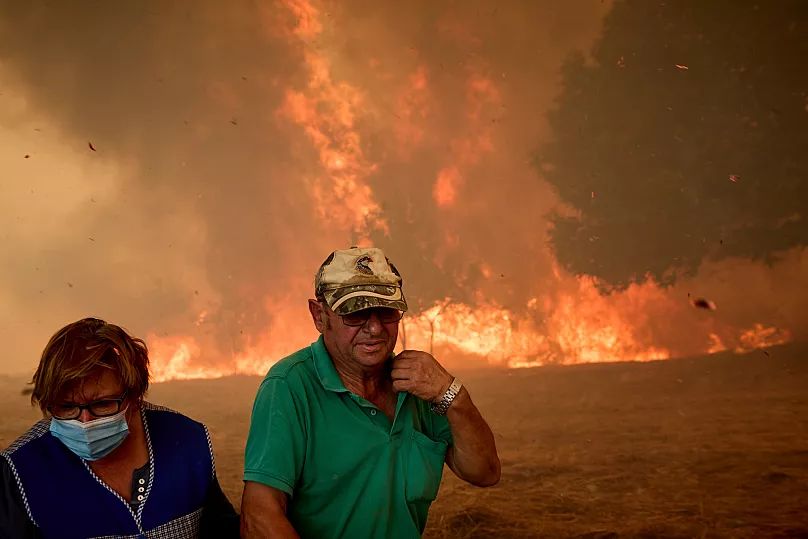
The fires emerged amid Spain’s third heatwave this summer, which has complicated efforts to contain them.
Earlier in August, Spain confronted one of its deadliest wildfires in recent years, with a blaze in the Almería province resulting in 13 fatalities.
Europe has endured recurring heatwaves throughout the summer, underscoring the continental warming trend—which is faster than anywhere else globally.
Scientists attribute these increases in the frequency and intensity of heatwaves to climate change caused by human activities. This phenomenon also contributes to the emergence of sudden and destructive storms.