
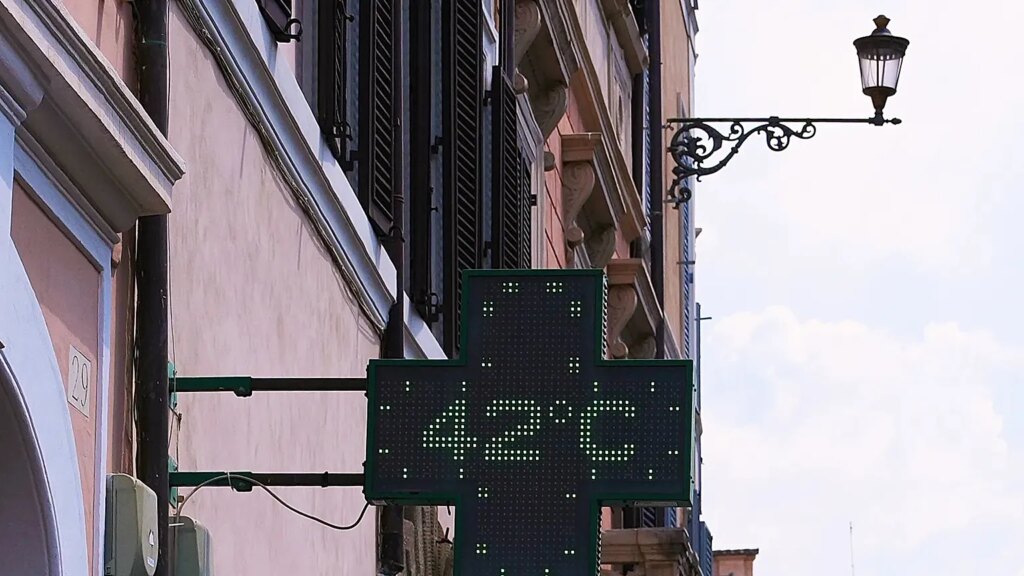
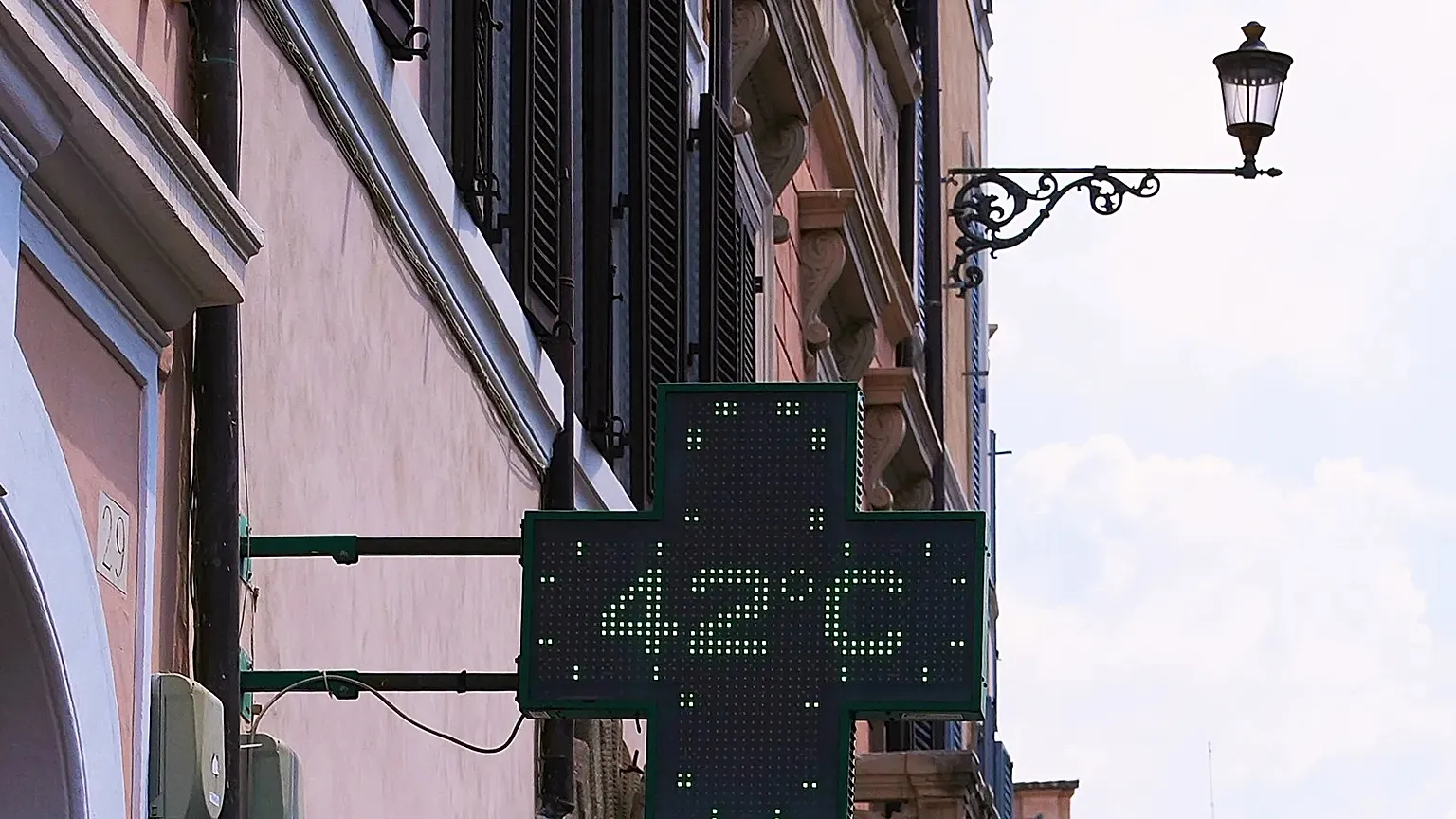
Following a severe heatwave that resulted in 1,300 fatalities in Western Europe, the European Commission has committed to intensifying its climate adaptation initiatives – though it has delegated some responsibilities to local and regional authorities.
The European Commission acknowledged that current European policies lag behind the accelerating consequences of climate change and promised to redouble efforts to combat climate warming after last week’s deadly and extreme heatwave affected Western Europe.
 ADVERTISEMENT
  ADVERTISEMENT
EU representatives have warned that heatwaves are expected to occur again this summer and emphasized the necessity for the bloc to transition from merely responding to disasters toward preventing them. A climate resilience strategy is planned for rollout in the final quarter of this year.
«The goal is to introduce a solid, comprehensive framework and package that supports and enables the entire European economy across all governance layers – whether national, regional, or local, as well as at the Union level,» an EU official stated to the press, speaking anonymously.
The Commission highlighted that approximately 75 percent of climate-related deaths in Europe are now attributed to heat stress, demonstrating that extreme heat poses the continent’s primary climate threat. According to the World Health Organization’s latest estimate, the recent heatwave caused about 1,300 deaths.
An EU spokesperson indicated that this alert is supported by the 2024 European Climate Risk Assessment, which determined that current policies are inadequate given the speed and magnitude of climate change.
They admitted that the Paris Agreement’s goal of limiting global warming to 1.5°C «will be exceeded» in the coming years, reflecting a breach in fulfilling the accord’s commitments.
«This risk assessment clearly revealed that European policies, both private and public, are not keeping pace with the swift and expansive climate changes,» the EU official explained. «It served as a wake-up call.»
The official added that despite some advancements, efforts do not match the rapid progression of climate change, necessitating a «fundamental change in policy philosophy.»
«An economic and systemic overhaul is essential to progress from recovery to proactive anticipation and prevention.»
Brussels pushes local authorities to take initiative
The EU official stressed that the task of preparing Europe for climate impacts must be shared with municipalities, noting that decisions regarding air-conditioning, solar panels, or heat pump installations are regulated at regional or local levels.
«We must also recognize the limits of what can be done, including the inertia inherent in the climate system. Conditions may deteriorate before improving,» the official added, emphasizing that regions and municipalities should have the autonomy to choose the strategies that suit them best.
The Commission pointed out that various cooling-related decisions, such as approvals for external shading, air-conditioning installations, and local urban planning, remain under the jurisdiction of national, regional, and municipal authorities.
While Brussels can set building standards, product efficiency requirements, and provide financial support, the responsibility for implementation largely lies with member states and local governments, resulting in an inevitable division of duties.
European buildings were specifically noted as poorly adapted to increasing temperatures, highlighting a key area where collaboration with local governments is vital.
According to EU data, buildings contribute roughly 40 percent of energy consumption and 36 percent of greenhouse gas emissions, and many were initially designed to retain heat rather than to stay cool.
«Extreme heat affects many factors – social inequality, energy costs, productivity, and more. The challenge is that much of the EU’s building stock is outdated, inefficient, and ill-equipped to endure such high temperatures,» the official explained.
The EU has updated energy efficiency regulations for buildings and appliances and allocated nearly €100 billion in funds for building renovations from 2021 to 2027.
Regions and local authorities call for increased EU funding
As EU lawmakers negotiate the bloc’s next budget, Kata Tüttő, President of the European Committee of the Regions and member of the Budapest City Council, urged EU leaders to dedicate more resources to regional investments in infrastructure, natural environments, and energy systems «rather than relying solely on emergency responses.»
«Each heatwave, drought, wildfire, and flood underscores that cities are heating up, rivers drying out, and communities becoming increasingly vulnerable,» Tüttő remarked.
«Local and regional authorities remain primarily responsible for implementing climate adaptation and mitigation measures. The critical question is whether they will have sufficient funds to continue these efforts.»
A similar message came from Mohamed Ridouani, Mayor of Leuven and president of Energy Cities, a European network dedicated to sustainable urban development. He called on national leaders to ensure that cities and regions remain key recipients of EU investments.
«Local authorities transform Europe’s aims for competitiveness and cohesion into real outcomes for businesses and citizens,» Ridouani stated on 15 June.
«Cities and towns are already advancing towards a more resilient energy future via renovation, decarbonisation, and local energy infrastructure projects, progressing one building and neighborhood at a time.»