
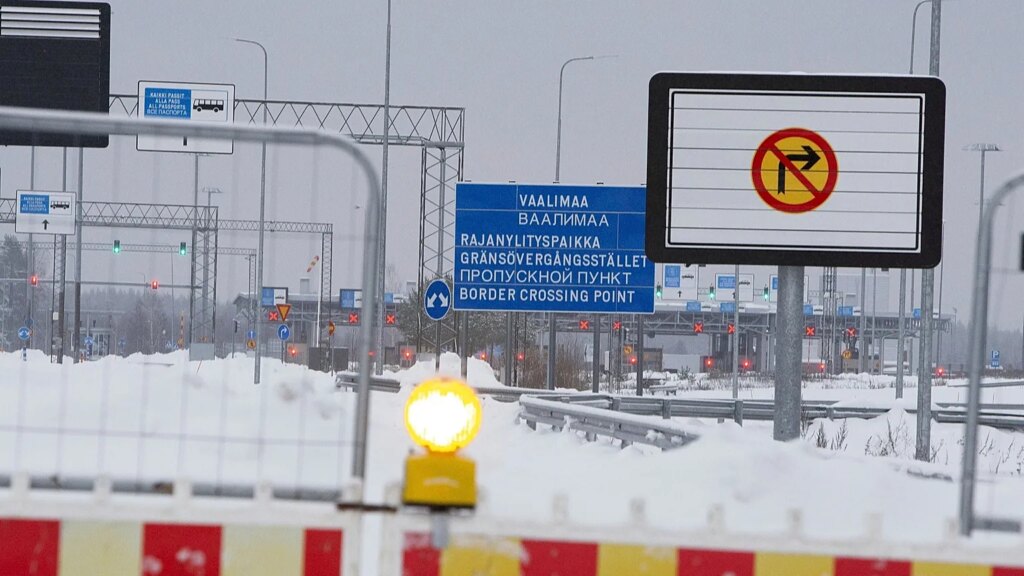
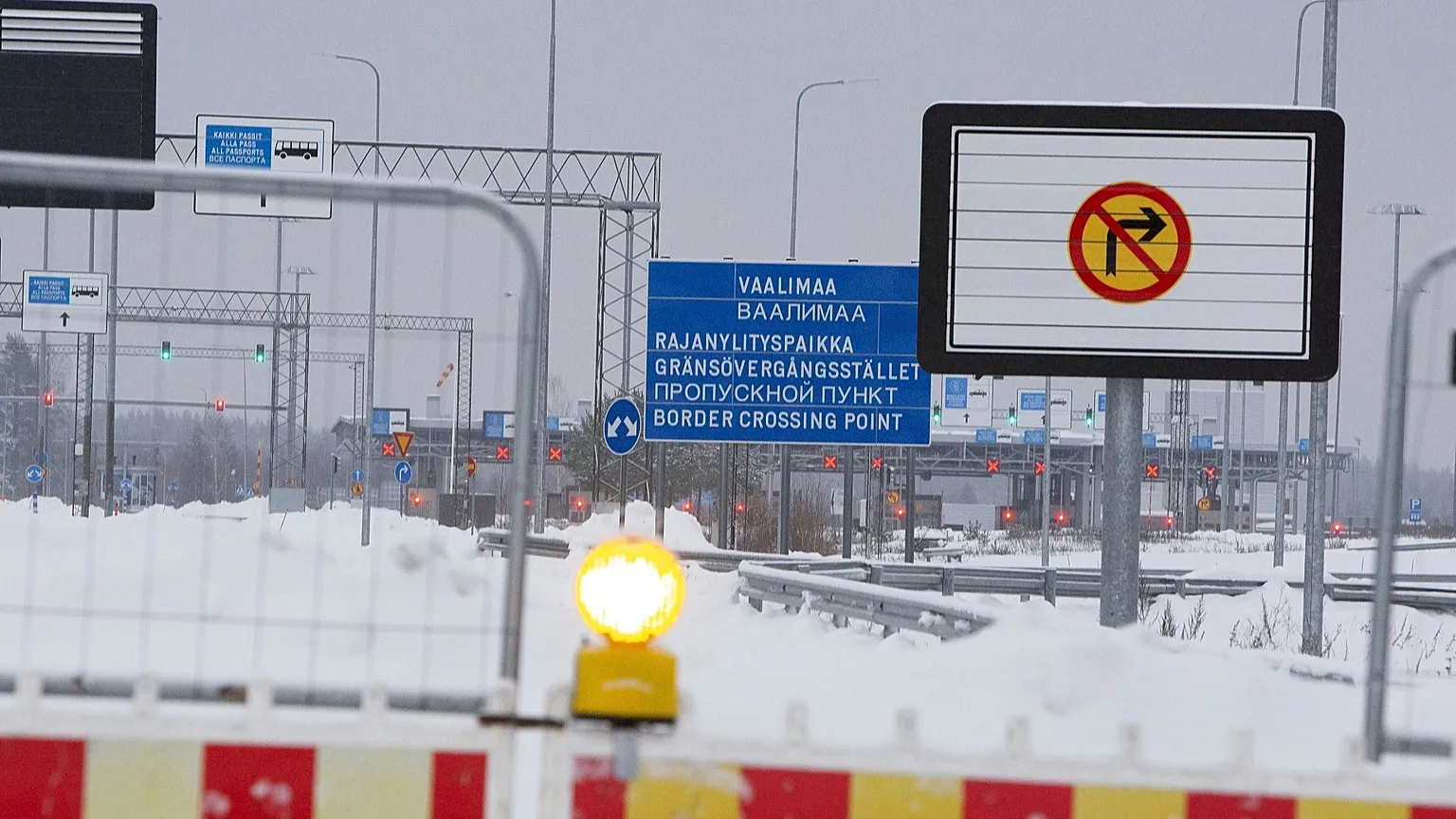
In a surprising development, Russia declared the “temporary” closure of several railway border checkpoints with Finland, Estonia, and Latvia. Could this step be linked to an imminent mobilisation given Moscow’s shortage of troops for its extensive war efforts in Ukraine?
Starting Wednesday, Russia halted traffic through multiple railway crossings at its borders with Finland, Estonia, and Latvia, according to an official announcement from Moscow.
 ADVERTISEMENT
  ADVERTISEMENT
The directive released by the Kremlin on Tuesday did not clarify the reasons behind these shutdowns.
The notice mentions solely a «temporary suspension» of the transit of people, vehicles, merchandise, and cargo at specified railway points along segments of Russia’s state border.
Russia’s Foreign Ministry received instructions to formally communicate this decision to Finland, Estonia, and Latvia.
The majority of the closures will impact the Finnish border, affecting railway checkpoints including Vyborg, Vartsilya, Lyuttya, Saint Petersburg-Finlandsky, and Svetogorsk.
Additionally, rail services will cease at the Pechory-Pskov checkpoint on the border with Estonia and at the Pytalovo checkpoint adjacent to Latvia.
What motivates Russia to close these border crossings?
Recently, Finland revealed plans to collaborate with the US defence corporation Lockheed Martin to establish Europe’s inaugural maintenance hub for multiple-launch rocket systems (MLRS) based in Tampere.
This announcement provoked a hostile reaction and threats from Russia, where Aleksey Zhuravlyov, first deputy chair of the Russian State Duma Defence Committee, accused Finland of turning into «a second Ukraine» and plainly warned that Moscow holds the military capacity to devastate half the nation.
Since the onset of Russia’s full-scale invasion of Ukraine, Finland has considerably strengthened its defence measures amid rising provocations from Moscow.
The border with Russia has remained closed since 2023, with Helsinki accusing Moscow of orchestrating hybrid warfare tactics and expanding military installations near the frontier.
A recent Danish investigation revealed that Russia is extensively augmenting its military forces along the NATO boundary, potentially preparing for a future conflict with the alliance.
Potential mobilisation inside Russia
One explanation for the abrupt closure of railway border points might be linked to speculated upcoming mobilisation efforts in Russia.
Russian authorities are reportedly contemplating a fresh mobilisation wave as early as this autumn. Some sources suggest it might be announced in October, following the State Duma elections scheduled for 18-20 September.
Oleksandr Syrskyi, Commander-in-Chief of the Ukrainian Armed Forces, also indicated the possibility of another mobilisation phase this autumn, referencing the same election timeline.
According to Ukrainian officials, Moscow is preparing to conscript tens of thousands of new soldiers to compensate for rising battlefield casualties.
The initial wave of the so-called «partial mobilisation» launched in September 2022 triggered protests and caused hundreds of thousands of Russians to flee abroad. Since then, the Kremlin has refrained from further mobilisation due to its unpopularity and the potential for social unrest.
The Centre for Strategic and International Studies reported in January that by December 2025, Russia had suffered about 1.2 million casualties on the battlefield, including up to 325,000 fatalities among its troops.
To replace these significant losses, Moscow requires recruitment of over 30,000 new soldiers every month.
Ukrainian intelligence asserts that approximately 70,500 new Russian servicemen signed contracts in the first quarter of 2026, falling short by around 30,000 of the Russian Defence Ministry’s target.
Media reports state that large-scale mobilisation exercises took place in mid-June in Russia’s Volgograd region, with officials from surrounding regional administrations invited to participate.
Russia maintains these drills are annual events.