
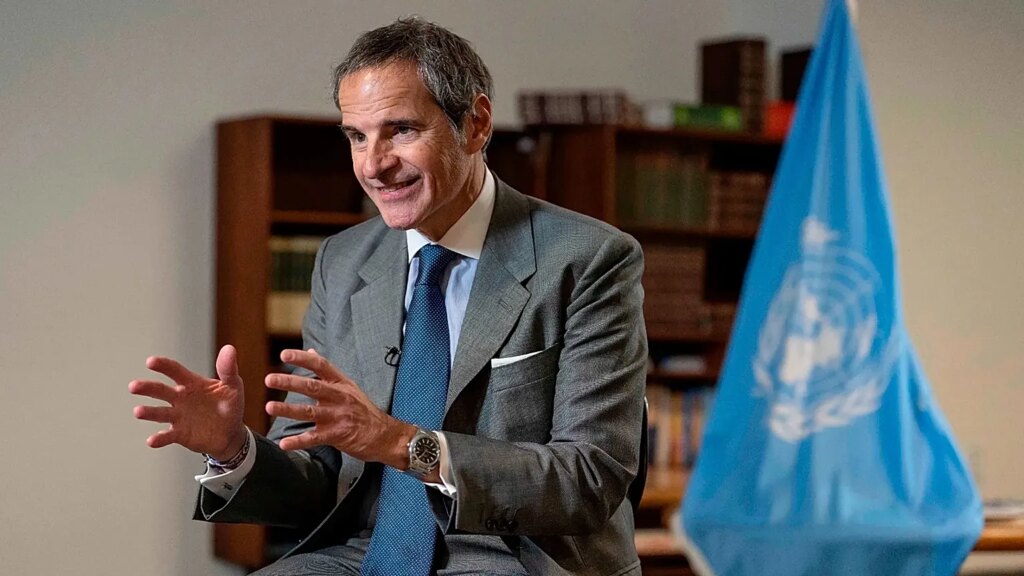
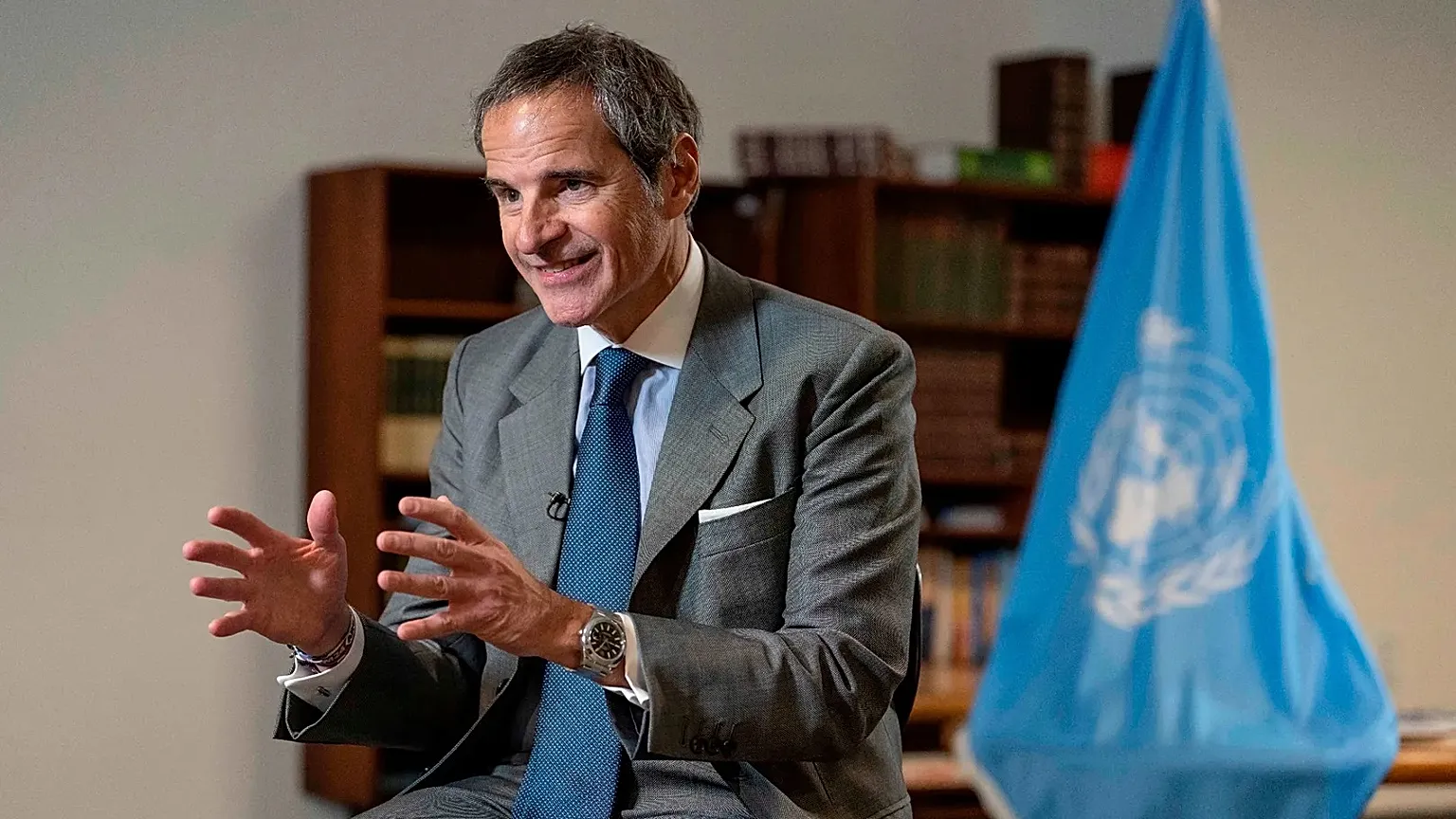
Rafael Mariano Grossi referenced the signed US-Iran memorandum of understanding, countering Tehran’s assertion that bombed enrichment facilities remain off-limits to inspection teams.
The leader of the UN’s nuclear oversight organization has provided the most definitive indication yet that inspectors will be allowed access to Iran’s uranium enrichment plants, challenging conflicting statements from both Washington and Tehran that have obscured the details of last week’s historic ceasefire agreement.
 ADVERTISEMENT
  ADVERTISEMENT
During a press briefing at Japan’s Fukushima Daiichi nuclear facility on Wednesday, International Atomic Energy Agency Director General Rafael Mariano Grossi asserted that the memorandum of understanding endorsed by both presidents leaves no room for doubt.
«Political declarations are understandable; they form part of the landscape, yet the essential point I wish to emphasize and highlight is that a Memorandum of Understanding has been signed by both presidents,» Grossi told reporters.
The agreement, he emphasized, «clearly states that nuclear activities related to nuclear material sites will be overseen by the IAEA — unequivocally.»
«Naturally, to achieve this, inspections will be necessary. Whether this occurs tomorrow, next week, or in 10 days, timing is significant but not critical. This will take place,» he noted.
A pact overshadowed by conflicting messages
President Donald Trump and Iranian President Masoud Pezeshkian endorsed the memorandum of understanding last week, pledging an «immediate and permanent cessation of military actions» and initiating a 60-day period to address outstanding matters — foremost among them the status of Iran’s nuclear program.
However, the question of IAEA inspector entry to enrichment facilities has surfaced as the deal’s most disputed point. On Tuesday, Iran’s Foreign Ministry spokesperson Esmail Baghaei informed journalists in Tehran that UN inspectors are not scheduled to visit the nuclear sites targeted by the US and Israel during last year’s attacks, directly contradicting statements made the day before by US Vice President JD Vance.
Since Israel’s 12-day conflict with Iran in June 2025, the IAEA has been denied access to enrichment plants where Tehran is believed to stockpile sufficient highly enriched uranium that could, if intended, be used to create up to 10 nuclear warheads. Iran consistently asserts that its nuclear activities remain peaceful.
The IAEA has been allowed to inspect some unaffected facilities, including the Bushehr nuclear power plant, but without access to enrichment sites, it cannot verify Iran’s uranium inventory status or examine the centrifuge cascades utilized in enrichment. Both Iran and the IAEA maintain that uranium enrichment has ceased, yet non-proliferation analysts remain concerned that the Islamic Republic might be relocating its stockpile to undisclosed locations.
Iran is unique in having enriched uranium to 60% purity without declaring a weapons program — a concentration close to weapons-grade material.
The importance of inspections in the agreement
Grossi has previously cautioned that the involvement of the IAEA is mandatory in any substantive nuclear accord. «This will necessitate the presence of IAEA inspectors; without them, there won’t be a genuine agreement, but only the illusion of one,» he said during an April press conference in Seoul.
The MOU stipulates that Iran reconfirms its commitment never to develop nuclear arms, while the US promises to remove sanctions and back a reconstruction fund exceeding $300 billion (€258.5bn). Still, the lifting of sanctions depends on Iran’s nuclear compliance, and such compliance cannot be confirmed without thorough inspections.
The IAEA has observed consistent vehicular activity via satellite images near the entrance to an underground complex in Isfahan, where uranium enriched to 20% and 60% is thought to be stored, underscoring the urgency of granting immediate inspection access.
Lebanon challenges jeopardize the agreement
The fragile ceasefire agreement is already showing signs of strain. Iran announced it has once again closed the Strait of Hormuz, citing ongoing combat between Israel and Hezbollah in Lebanon as a breach of its deal with the United States — a claim denied by the US military.
Hezbollah has rejected repeated ceasefire proposals, with its leader Naim Kassem describing negotiations as «absurd, humiliating, and insulting,» insisting on a complete Israeli withdrawal from Lebanon as a prerequisite for any ceasefire.
Violence erupted anew in Lebanon on Tuesday but did not escalate further. Iran has made clear that any durable resolution must involve Lebanon — a condition complicating both the nuclear discussions and the wider peace efforts.
Tehran has yet to respond to Grossi’s statements from Fukushima.