
The 2026 NATO summit is scheduled for 7 and 8 July at the Beştepe Presidential Compound in Ankara.
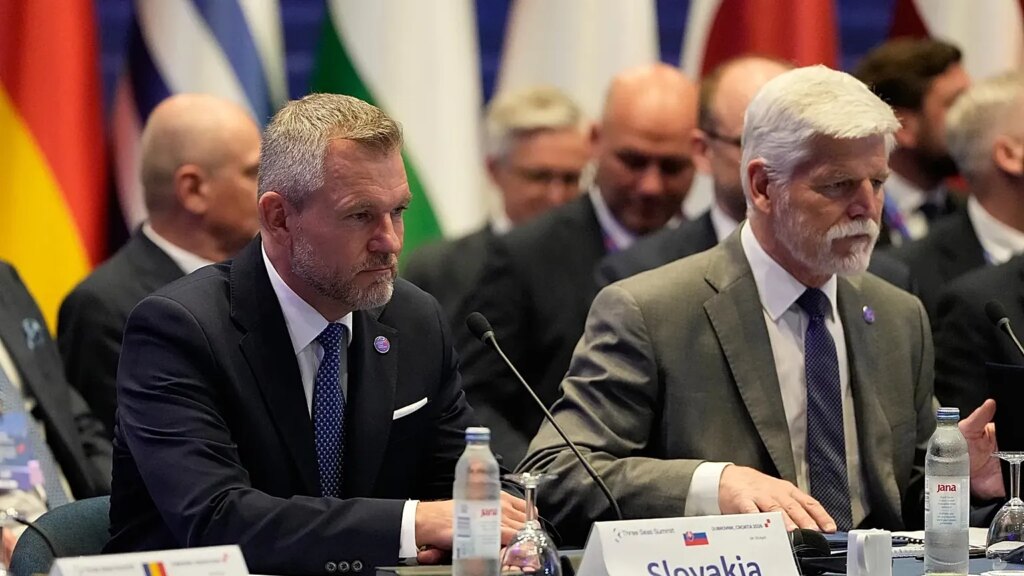
Petr Pavel, the president of the Czech Republic, has turned to the nation’s Constitutional Court amid controversy surrounding his attendance at the forthcoming NATO summit in Ankara.
 ADVERTISEMENT
  ADVERTISEMENT
Having served in the Czech military for over 30 years, Pavel assumed office in March 2023 and has participated in every NATO summit since then.
Nevertheless, Czech Prime Minister Andrej Babiš announced on Monday that Pavel would be excluded from the delegation attending the July meeting in Turkey, with only the prime minister and the ministers of defence and foreign affairs expected to attend.
Babiš, head of the right-wing populist ANO party who returned to office last year, has developed a confrontational stance toward Pavel. However, he denied claims that his administration was «opposing» the president or «prohibiting him from acting.» He explained that the decision was strictly pragmatic, citing the need for the government to defend its low defence expenditure and outline its budget strategy during the two-day summit.
In response, Pavel released a video statement on Tuesday, announcing he had initiated a competency lawsuit to clarify the respective authorities of the president and government when representing the country internationally.
«Through this lawsuit, I request the Constitutional Court to determine who holds the authority to decide on the president’s participation in the summit,» he stated.
The 2026 NATO summit will take place on 7–8 July at the Beştepe Presidential Compound, located in Ankara, Turkey’s capital.
At last year’s Hague Summit, NATO members committed to allocating 5% of GDP annually by 2035 toward core defence capabilities and broader defence and security-related sectors.
Speaking in Brussels last week, US Secretary of War Pete Hegseth acknowledged that while many countries have met these commitments, some «still need to do more.»
«We will address this issue frankly, both privately and publicly,» he told the press.