
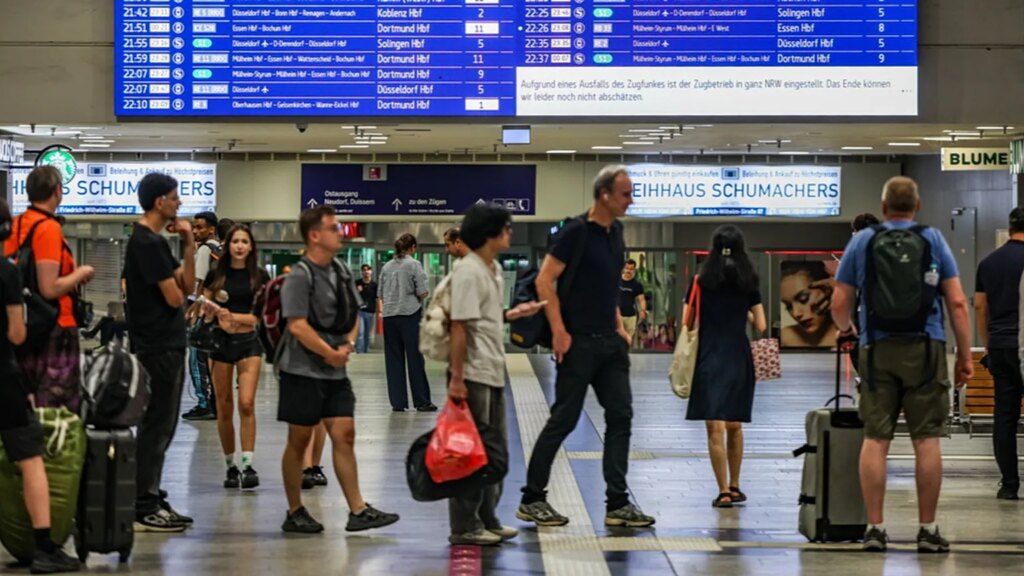
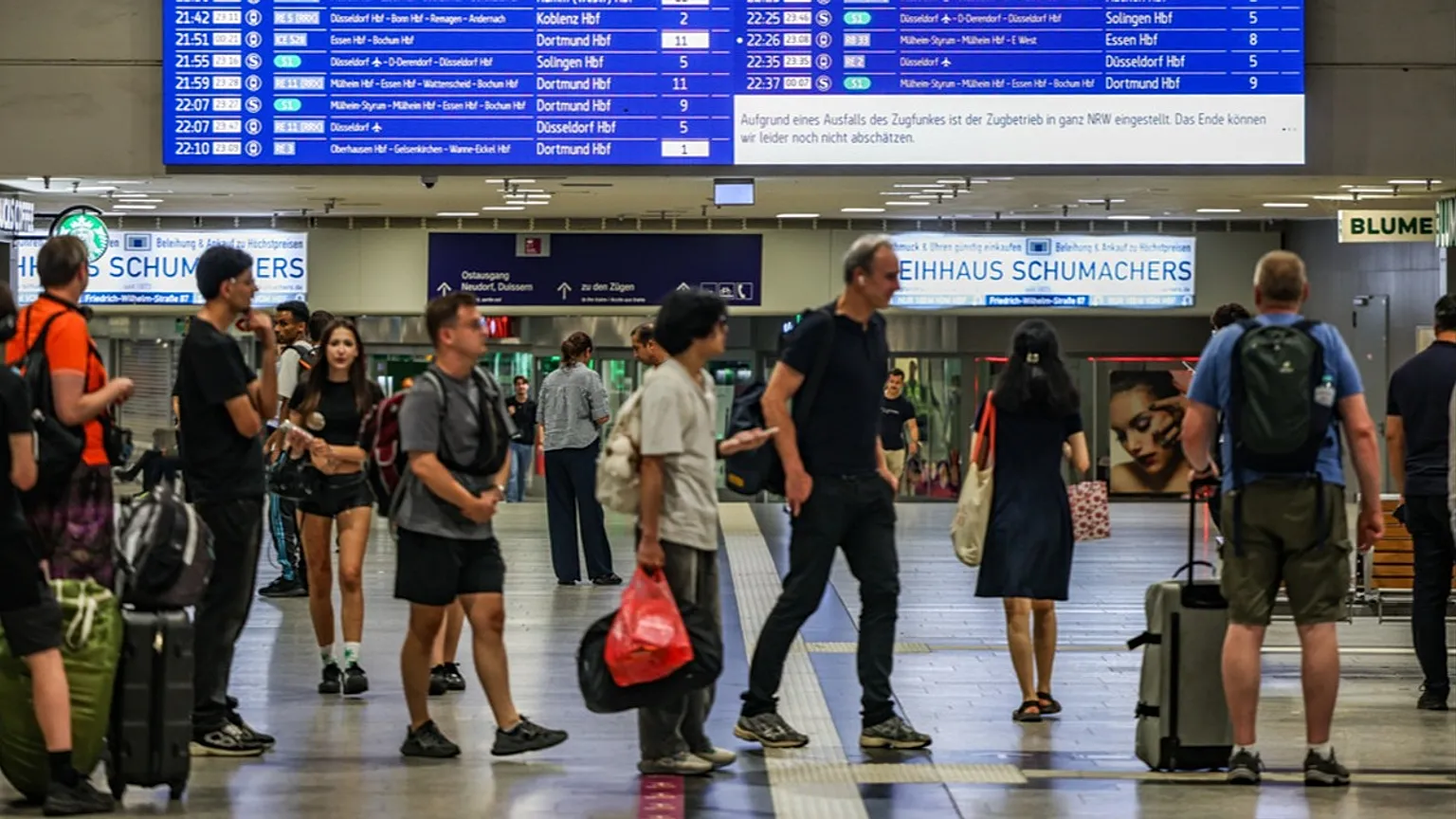
Deutsche Bahn announced a gradual restoration of services following an outage lasting nearly three hours that halted its entire network nationwide.
A malfunction in a communications system resulted in the suspension of all trains across Germany late Tuesday, leaving travelers stranded at various locations throughout the country.
 ADVERTISEMENT
  ADVERTISEMENT
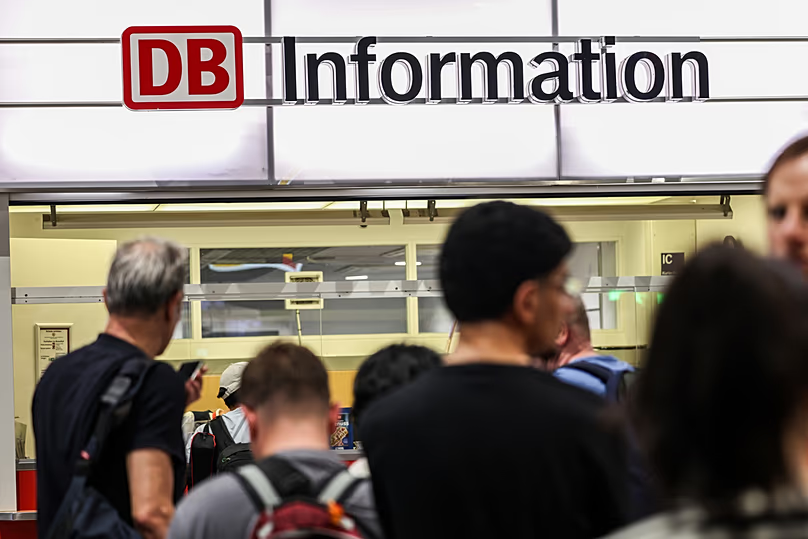
Trains were held stationary at stations while passengers queued at ticket counters, attempting to arrange alternative travel options to reach their destinations.
Deutsche Bahn, the country’s principal rail operator, stated just before 1 am local time—approximately two and a half hours after reporting the disruption—that the issue had been resolved and services were recommencing «step by step.”
The operator explained the issue affected the GSM-R digital communication system nationwide, which is employed for internal rail network communications.
Later, Deutsche Bahn confirmed the root cause was found but did not disclose further details.
The German media outlet Bild reported citing Deutsche Bahn CEO Evelyn Palla, who indicated that an emergency system was deployed to stabilise the situation.
During the disruption, the company offered taxi and hotel vouchers to impacted passengers and, when feasible, allowed travelers to remain on stationary trains, expressing regret for the inconvenience caused.
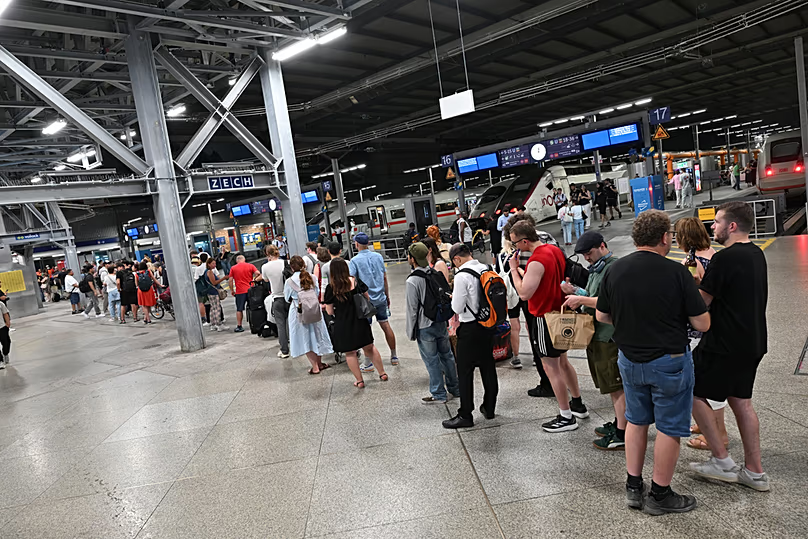
Travelers were forced to seek alternative arrangements or prepare contingency plans, with numerous international passengers describing the atmosphere at busy hubs such as Berlin’s central station as marked by “unhappy faces.”
Reyna Ghoshal, a visitor from Atlanta, Georgia, remarked, “The train conductor was very kind but admitted, ‘we don’t know.’” She added, “We booked a bus for 8 a.m. as a backup, but overall the situation remains unclear.”
In recent years, Germany has seen a rise in complaints regarding train delays and disruptions.
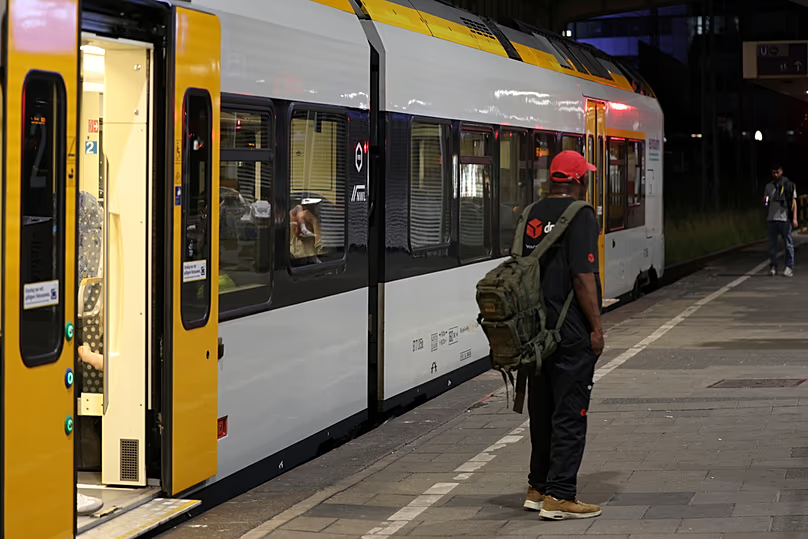
State-owned Deutsche Bahn has launched extensive but disruptive renovations on key rail corridors after many years of insufficient investment, aiming to upgrade its service quality.
Historically, the German rail system has rarely stopped all or most trains entirely, and only typically due to severe weather conditions rather than technical faults.
The GSM-R system, standing for Global System for Mobile Communications–Railway, provides the voice and data link essential for rail operations, such as communication between train drivers and control centers.
According to the European Union Agency for Railways, this system has been introduced Europe-wide since 2000 as the standard method for railway communications.
Additional sources • AP