

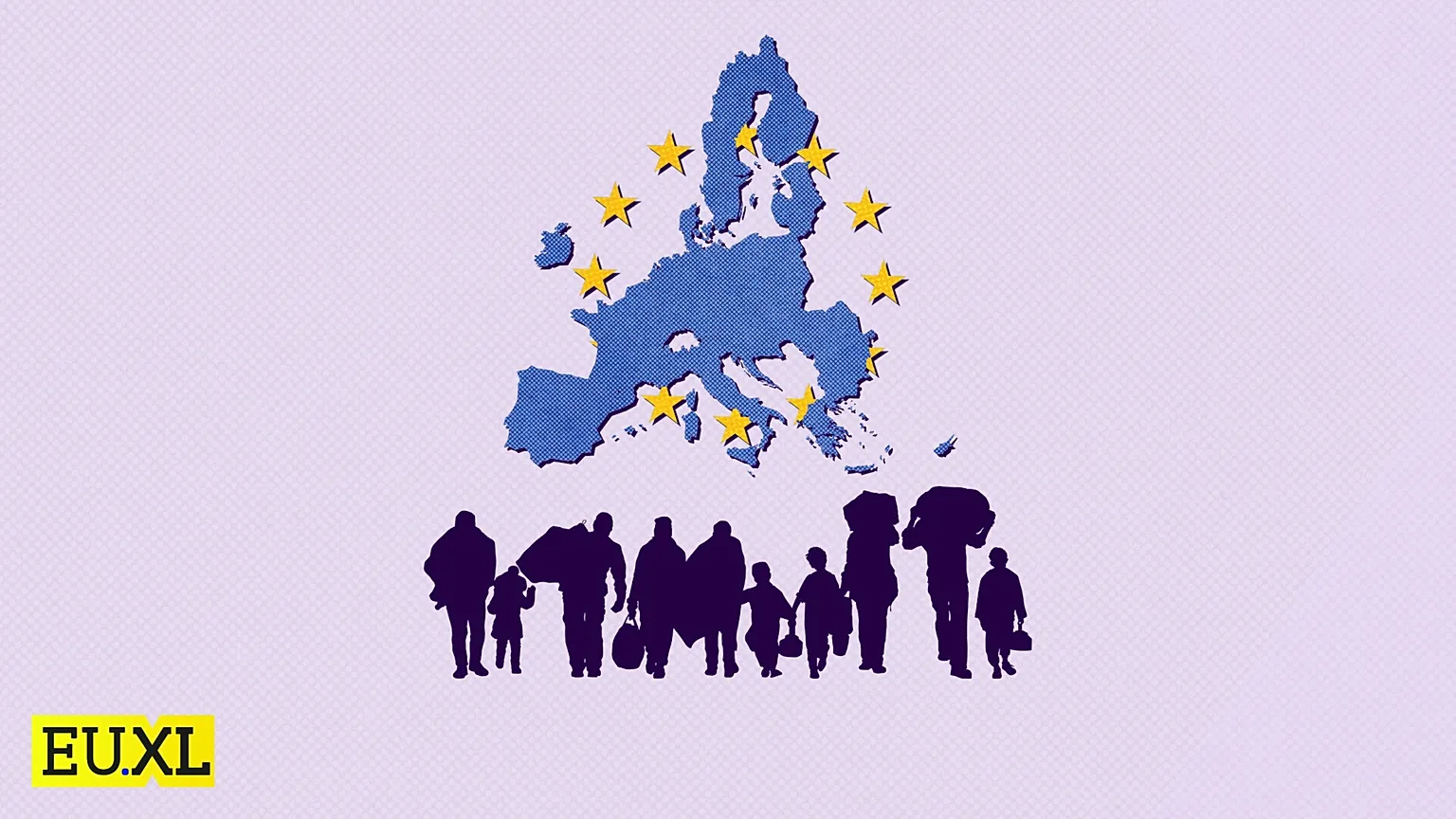
Two years after its adoption, the EU’s Pact on Migration and Asylum comes into effect this Friday, yet a significant gap remains between expectations and implementation. Will it endure? Watch the video.
On Friday, June 12, the EU Pact on Migration and Asylum takes effect, marking two years since its formal approval. For the first time, all 27 EU member countries will adhere to a unified framework addressing border screening, asylum processes, reception standards, and a solidarity system to redistribute asylum seekers across nations.
 ADVERTISEMENT
  ADVERTISEMENT
The objective is to eliminate the fragmented system whereby an individual arriving in Greece encounters a completely different legal framework compared to someone landing in Germany.
However, lofty goals are already confronted by practical challenges. The relocation target for 2026 was set at 21,000, yet member states have committed to less than half this figure, with Hungary and Slovakia not committing any quotas at all.
The Pact represents just a segment of the larger picture. Brussels has also ratified the Return Regulation, one of the strictest migration directives in recent decades. Currently, only 28 percent of migrants ordered to exit Europe comply. The new provisions establish return centres outside the EU, extend detention periods up to two years, enforce double-entry bans, and eliminate the suspensive effect of appeals. Over 250 civil society groups have denounced it as sanctioning «offshore prisons and detention of children.»
The European Commission’s initial compliance review is planned for July. That review will reveal which member states are aligned with the Pact and which are not.