
The World Cup is underway, the largest sporting event of the year, attracting millions worldwide. However, the atmosphere feels oddly restrained. Ticket sales and hotel reservations trail behind forecasts, while immigration concerns dominate headlines—particularly in the United States.
The World Cup is taking place, standing as one of the year’s most significant occasions. It aims to unite global audiences, foster camaraderie and celebration, leaving political matters aside.
 ADVERTISEMENT
  ADVERTISEMENT
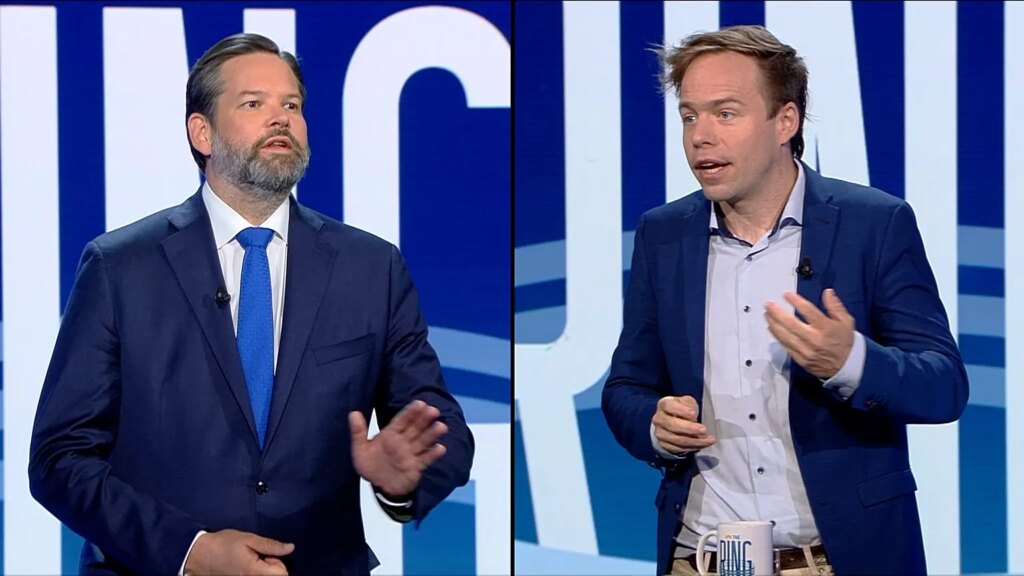
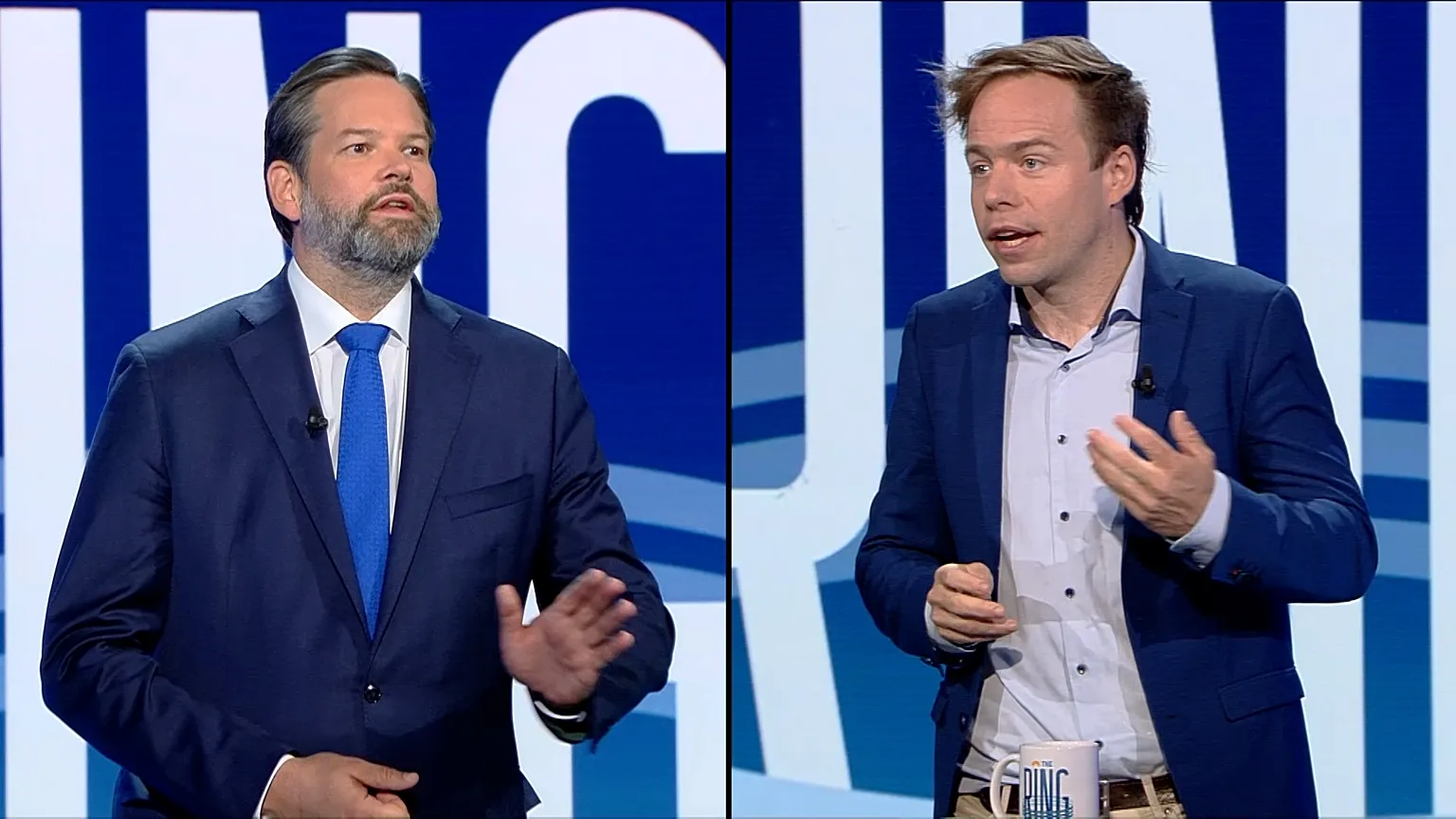
Is this truly the case? In the latest episode of The Ring, Rasmus Andresen from Germany (Greens) and Lukas Mandl from Austria (European People’s Party) examine the situation.
Beginning this week, the FIFA Football World Cup will captivate millions globally. Nevertheless, coverage extends beyond sports sections—rarely has football’s political dimension sparked such intense debate before this tournament.
The discussion starts with the unprecedented decision to assign hosting duties to three nations (Canada, Mexico, United States), spanning half a continent and involving 48 teams and over 1,200 players.
It continues with soaring ticket costs, fan protests, security concerns, Iran, Congo, Trump, racism—the list persists.
Has football— the world’s favorite sport—finally entered the sphere of high-level global politics? Has the game outgrown the label “just a sport”? And what trajectory lies ahead for the World Cup?
Or does football primarily remain an event offering enjoyment and entertainment to individuals?
For Lukas Mandl, despite challenges, the World Cup remains worthy of celebration.
«During these weeks, football transforms the world into a family. Politicizing or over-formalizing it achieves nothing.»
Mandl’s stance aligns with that of the organisers.
«In today’s fragmented world, moments of unity are essential, and the upcoming FIFA World Cup promises a major celebration of solidarity,» FIFA president Gianni Infantino stated at a UEFA congress in Brussels earlier this year.
«For billions worldwide (…) our duty is to provide competitions—90 minutes plus added time—where people can temporarily set aside personal, work, and national difficulties.»
Yet, more than in past years, the World Cup is shadowed by political disputes, from prohibitive ticket prices to immigration challenges and allegations of racism.
Ticket pricing, in particular, has made many fans reconsider attending the North American event.
“Football must not be reduced to a playground for investors and pricing mechanisms. When fans are priced out of stadiums and clubs become assets within global ownership networks, the essential social and communal value of sport is at risk,” Rasmus Andresen warned.
«Europe can no longer remain passive. Effective regulations on ownership, transparency, and ticket pricing are necessary to restore fans as the core focus and safeguard football as a public good, beyond profit-driven motives.”
The coming weeks will reveal whether the World Cup can sustain its prior prestige.
The Ring is presented by Stefan Grobe, produced by Luis Albertos Altarejos and Amaia Echevarria, and edited by Vassilis Glynos.
Contact: [email protected]