
The rapid expansion of one of the world’s most dangerous viruses has left response teams ‘struggling to keep pace’ in both the Democratic Republic of Congo and Uganda.
The Director-General of the World Health Organization has sounded an alert regarding the swift progression of the current Ebola outbreak in Central Africa, which has resulted in at least 220 fatalities so far.
 ADVERTISEMENT
  ADVERTISEMENT
“Efforts to intensify our operations are underway urgently, but presently the epidemic remains ahead of us,” stated Director-General Tedros Adhanom Ghebreyesus during Monday’s online African Union brief, noting that health personnel are “playing catch-up” as suspected cases exceed 900.
Tedros is scheduled to visit the Democratic Republic of Congo (DRC) tomorrow, focusing on the Ituri province, where this outbreak is concentrated.
The DRC has experienced more than twelve Ebola outbreaks historically. Experts in public health note that cuts to international aid last year by the US and other wealthy countries have severely impacted eastern Congo due to the region’s complex challenges.
The response efforts face obstacles from local fear, anger, and frustration, including attacks on medical treatment facilities and widespread mistrust of authorities in an area long afflicted by armed conflict.
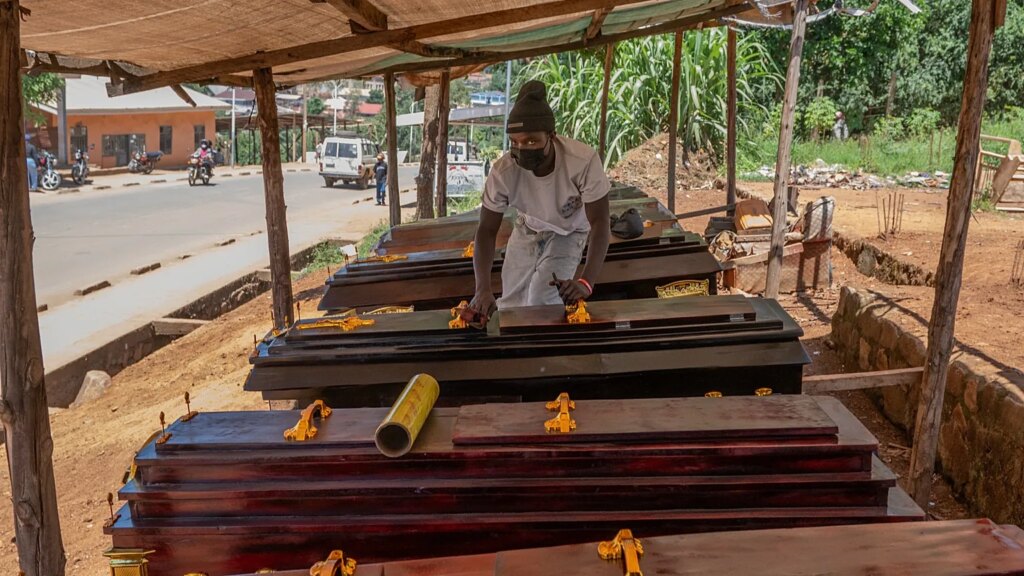
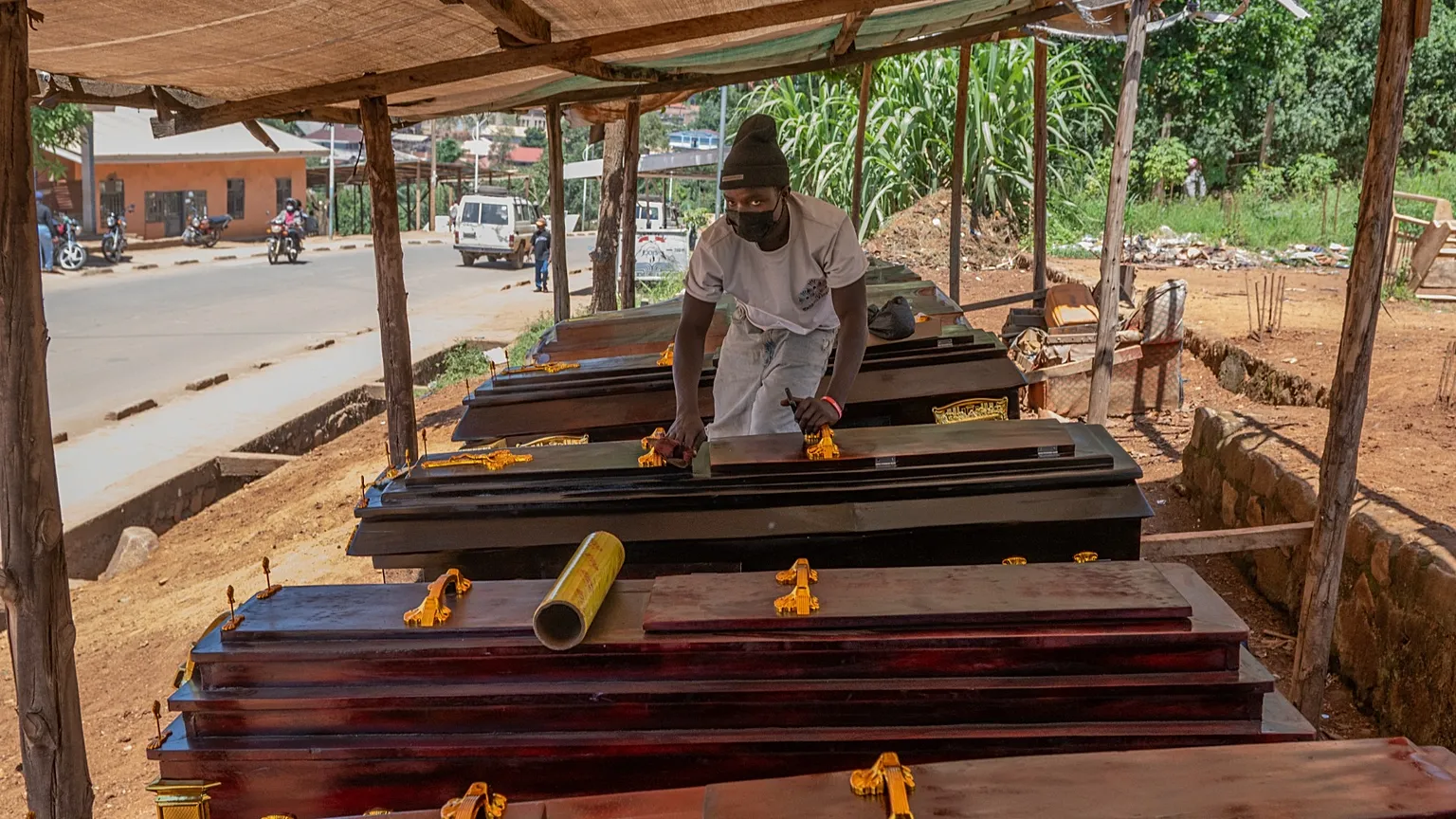
Organizations combating the current Ebola outbreak also report shortages of essential supplies such as face shields, protective suits for healthcare workers, testing kits, body bags, and other items necessary for the safe handling and burial of victims, who remain highly contagious.
On Saturday, Ugandan health officials confirmed the first domestic infections: a driver and a healthcare worker exposed to the Congolese patient who died on May 11. Subsequently, two additional healthcare workers at a private hospital in Kampala tested positive, according to the Ministry of Health on Monday.
The Ebola virus variant causing this outbreak, Bundibugyo, currently has no approved vaccine or treatment. The outbreak has been declared a global public health emergency.
Identifying and isolating contacts of Ebola patients is regarded as crucial to halting transmission of the disease, which typically presents as hemorrhagic fever.