
Prime Minister Mark Carney has reached Yerevan for the European Political Community Summit, leading initiatives to establish a Middle Powers coalition. Yet, could the world’s «most European» country outside Europe actually become the 28th member state of the EU?
Canadian Prime Minister Mark Carney, who holds dual Canadian and British citizenship, stands as a distinct link between the English-speaking world and a Europe growing increasingly cautious of US isolationist policies.
 ADVERTISEMENT
  ADVERTISEMENT
This summit in Armenia might present Canada with a crucial chance to forge new connections within Europe.
Currently, 57% of Canadians favor joining the 27-nation bloc, and 84% emphasize the importance of enhanced economic relationships to shield themselves from political instability in the US.
Recent polls indicate that most Germans and Spaniards support Canada’s entry into the EU, while in Poland, France, and Italy, the number of supporters substantially exceeds opponents.
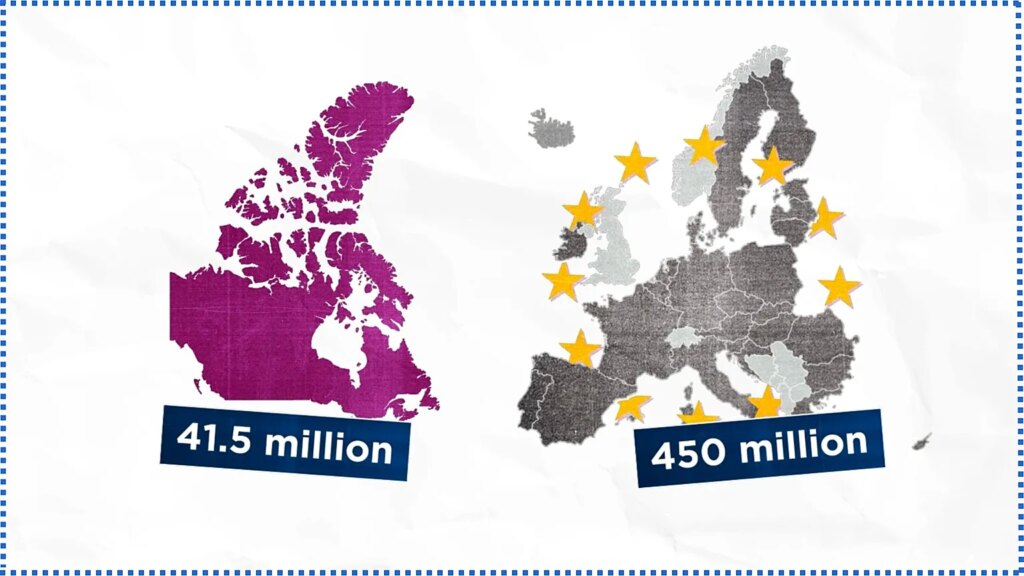
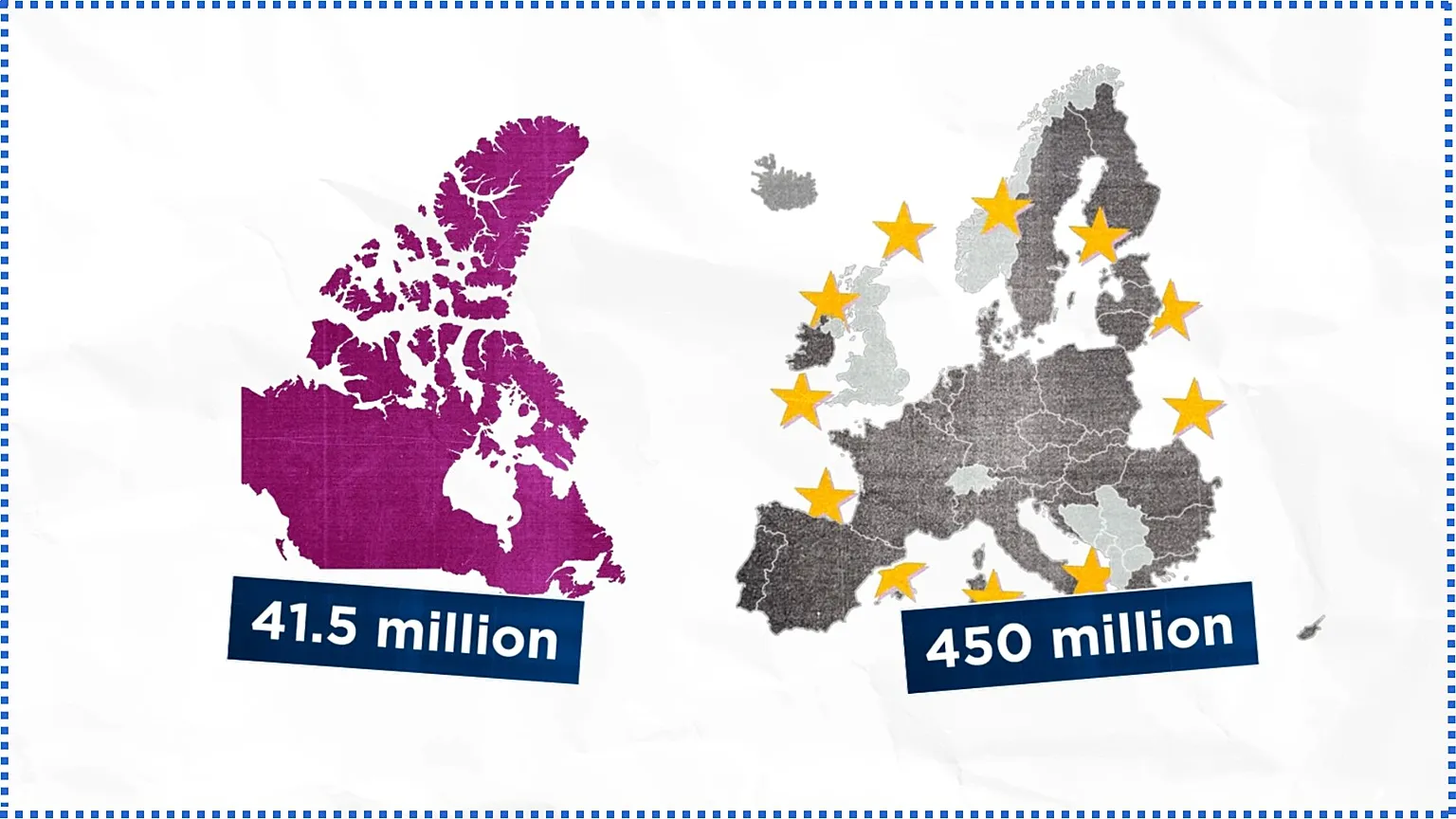
Canada holds considerable geopolitical weight: its population totals approximately 41.5 million, about 10% of the EU’s population.
Despite being a founding member of NATO, Canada remains outside the European Economic Area. However, its GDP per capita surpasses the EU average significantly, meaning that if Canada joined the union one day, it would be a wealthy net contributor.
Nonetheless, despite public interest, officials in Brussels have offered a tempered perspective.
Marta Kos, European Commissioner for Enlargement, recently stated that Canada does not meet the «European state» criterion outlined in Article 49 of the Treaty on European Union.
Unlike countries such as Ukraine, Turkey, or Cyprus, Canada lacks the geographical and longstanding cultural ties required to comply with current treaties without comprehensive legal revisions.
However, the partnership could transform into a custom arrangement resembling Norway’s or Switzerland’s: a «close family» relationship enabling profound integration into the single market and security frameworks, yet falling short of full membership.
For that reason, Canadians might one day respond affirmatively—or “oui,” since English and French are both official languages.
Watch the Euronews video in the player above for the full story.