
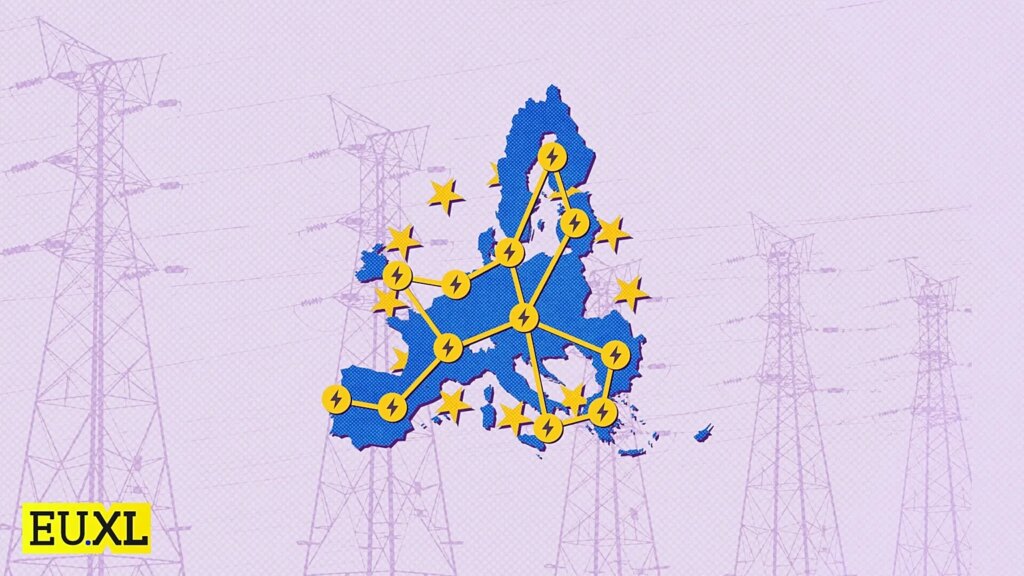
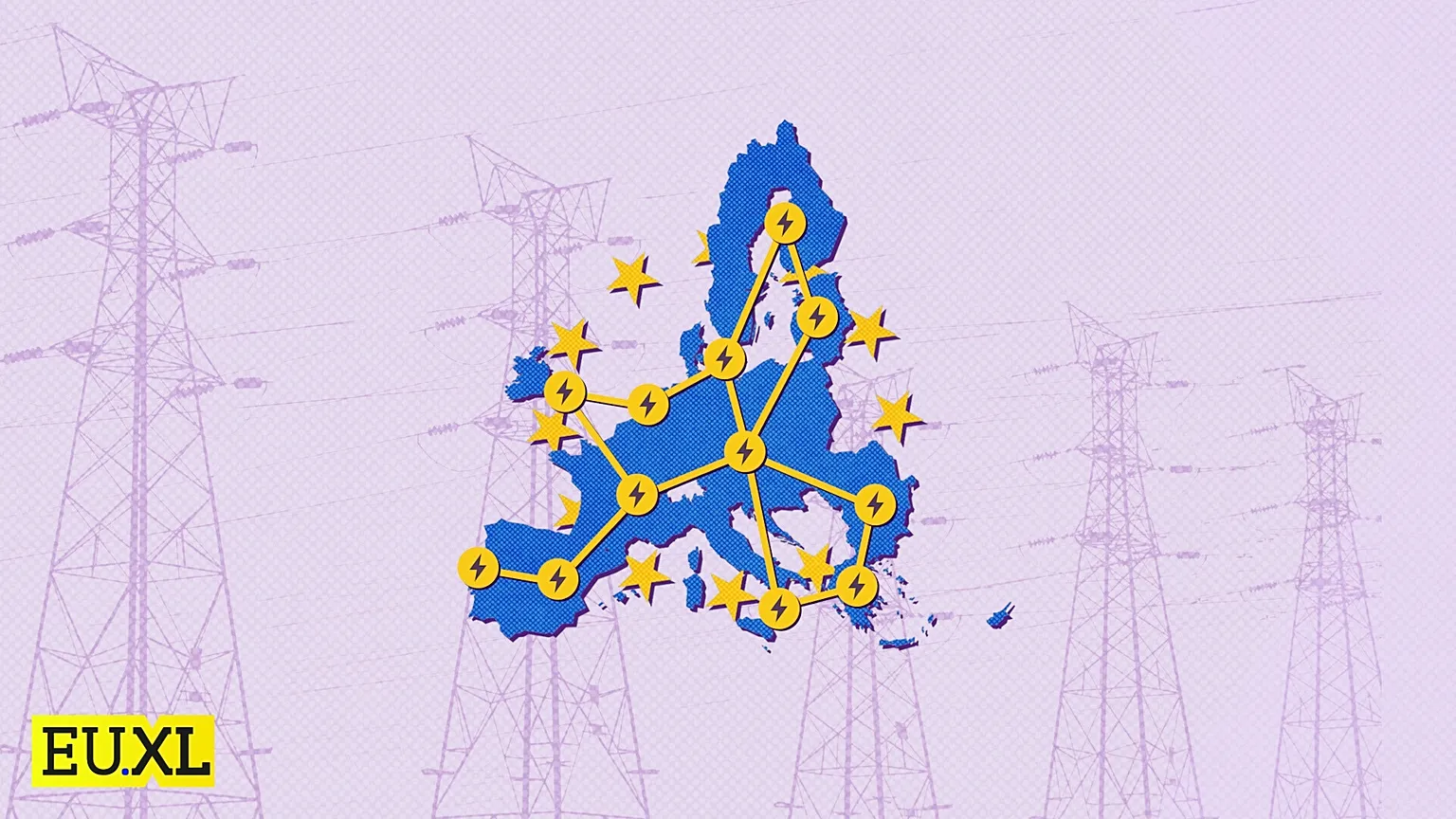
Energy costs soar following the Strait of Hormuz shutdown, spotlighting Europe’s energy weaknesses once again and drawing focus to the EU’s upcoming Grids Package. See the video.
The closure of the Strait of Hormuz, triggered by US and Israeli strikes on Iran, has caused oil and gas prices to surge, reigniting a debate Brussels considered resolved.
 ADVERTISEMENT
  ADVERTISEMENT
This fresh crisis has refocused attention on Europe’s energy vulnerabilities. The European Commission President Ursula von der Leyen highlighted the bloc’s heavy dependency, cautioning that Europe remains overly reliant on fossil fuels. Energy ministers throughout the union are now seeking explanations.
Europe has faced comparable energy insecurity before. The 2022 Russian invasion of Ukraine abruptly halted pipeline gas supplies that the continent had depended on for years, pushing Brussels to act swiftly and leading Europe to source 60% of its LNG from the United States.
To tackle these issues, Brussels implemented a structural response. In December 2025, the EU adopted the Grids Package, marking the most extensive reform of Europe’s energy infrastructure ever. This plan earmarks €1.2 trillion for grid investments up to 2040, aims for over 500 gigawatts of new renewable energy capacity, and creates eight cross-border «Energy Highways» linking the Baltic to Iberia.
The approach is clear: boosting local electricity production decreases dependence on imports traveling through fragile routes like the Hormuz Strait. The Commission aims to have major projects up and running before 2030, reflecting the pressing nature of today’s security climate.