
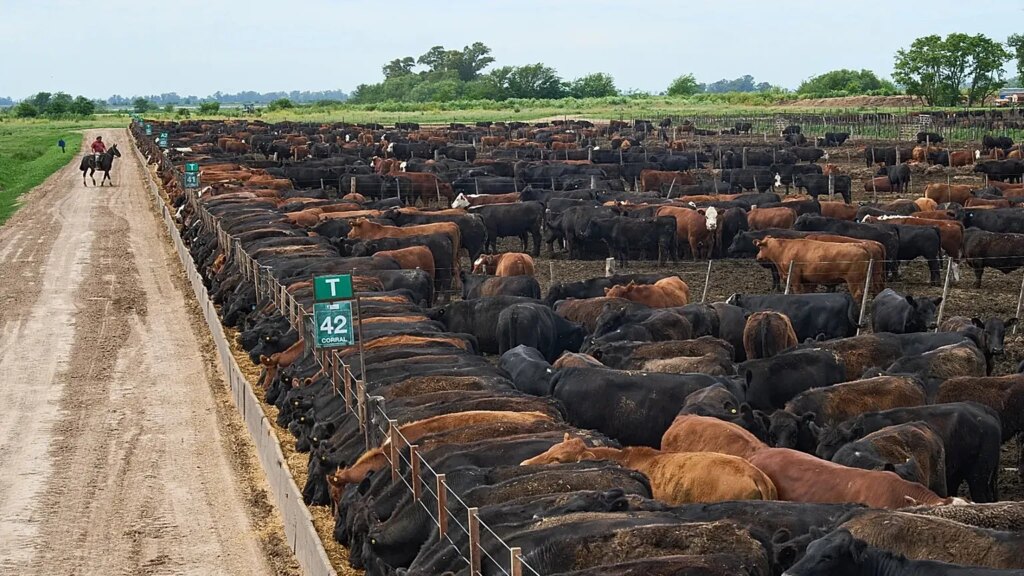
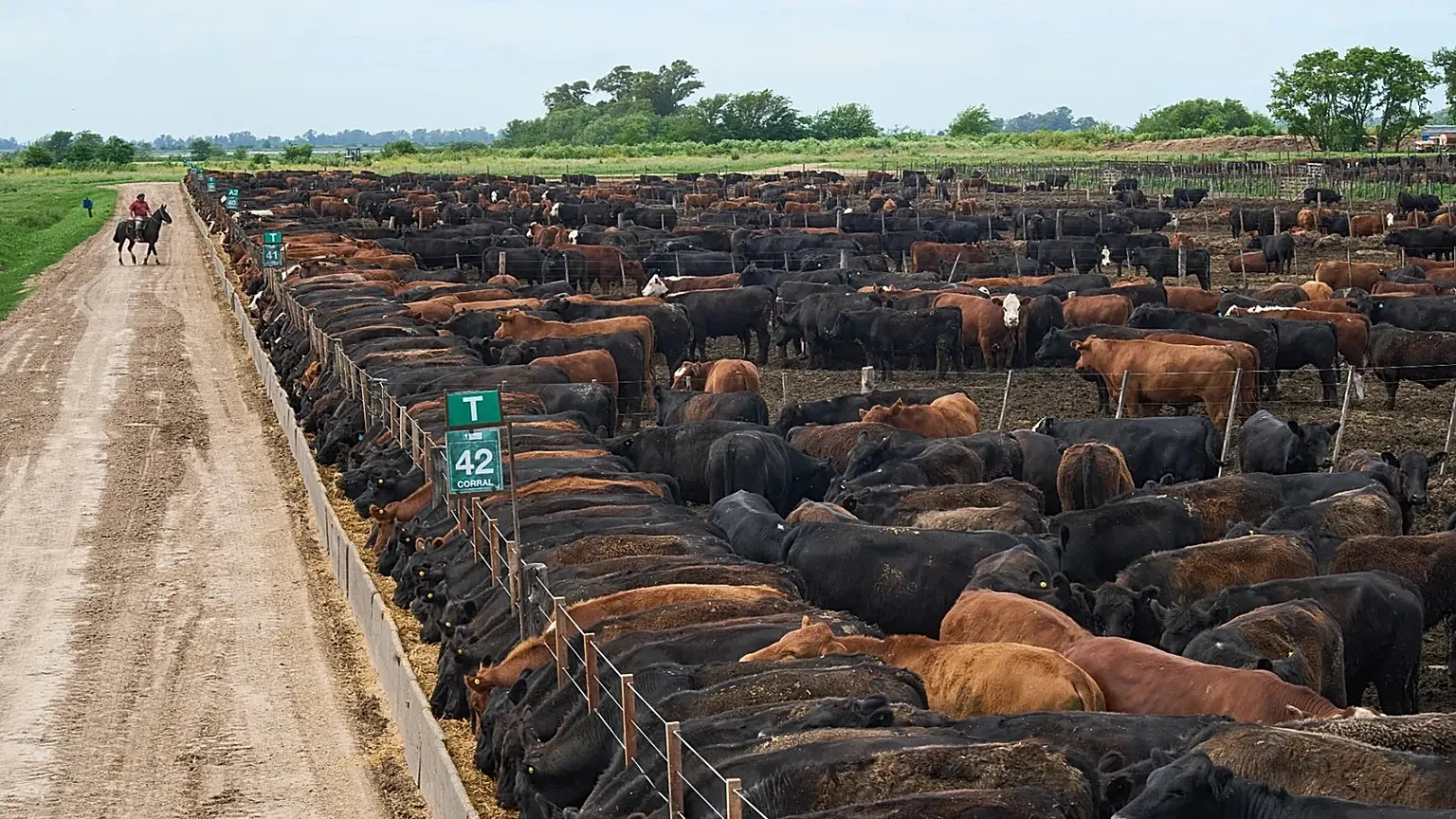
The European Parliament has endorsed a disputed «reciprocity clause» that may jeopardize the EU-Mercosur trade agreement, with member countries poised to contest it during the forthcoming negotiations.
European legislators and EU governments are on a collision course regarding the extent of protections for farmers under the Mercosur trade pact.
On Tuesday, Members of the European Parliament (MEPs) supported a safeguard clause within the agreement, intending to enhance oversight of the EU market should imports from Latin America surge, triggering a suspension of tariff cuts in cases of significant disturbances.
The adopted package also included an amendment mandating that Mercosur products comply with EU environmental and health production criteria—this addition runs counter to assurances previously agreed upon by member states.
Finalized in 2024, the agreement has sparked sharp divisions in Europe. EU farmers warn that the pact would subject them to unfair competition from Latin American imports, whereas proponents argue it opens crucial new markets for the EU economy.
«Safeguard clauses and reciprocity clauses work together: protecting the market solely via volumes and pricing is insufficient without shielding farmers from unfair competition. Anything else is merely deceptive,» stated Belgian MEP Benoît Cassart (Renew), who advocated for the amendment’s inclusion.
Member states align positions
The Mercosur deal, concluded between the European Commission and Argentina, Brazil, Paraguay, and Uruguay, seeks to establish a transatlantic free trade zone encompassing 700 million individuals.
The Commission’s safeguard provision received member states’ approval in November, with the 27 nations anticipated to vote on the complete agreement this week. However, endorsement of safeguards does not equate to full backing of the agreement, as critics note they supported these measures only to ensure greater protection for farmers if the deal takes effect.
The principal point of debate now centers on a «reciprocity clause» proposed by MEPs, which would enforce EU production standards on Mercosur goods—a requirement absent from the text ratified by member states. Discussions between EU legislators and governments aiming to reach consensus are scheduled to commence Wednesday afternoon.
The decision may provoke further discontent among EU farmers, who plan to demonstrate during an EU summit on Thursday, contending that the safeguards are insufficient.
On Sunday, France urged a postponement of the full deal’s vote. French agricultural producers expressed frustration over the government’s management of lumpy skin disease, a highly infectious cattle virus.
Safeguard and reciprocity clauses have consistently been at the forefront of Paris’s demands.