
The Eastern Flank Watch stands as one of four principal initiatives proposed by the European Commission to strengthen Europe’s defence, though EU leaders have yet to ratify the plan, which currently lacks detailed information.
On Tuesday, leaders from EU member states along the eastern border urged the channeling of European Union funds toward the Eastern Flank Watch flagship initiative, emphasizing their position «at the front line» of the threat originating from Russia and thus the bloc’s foremost defense perimeter.
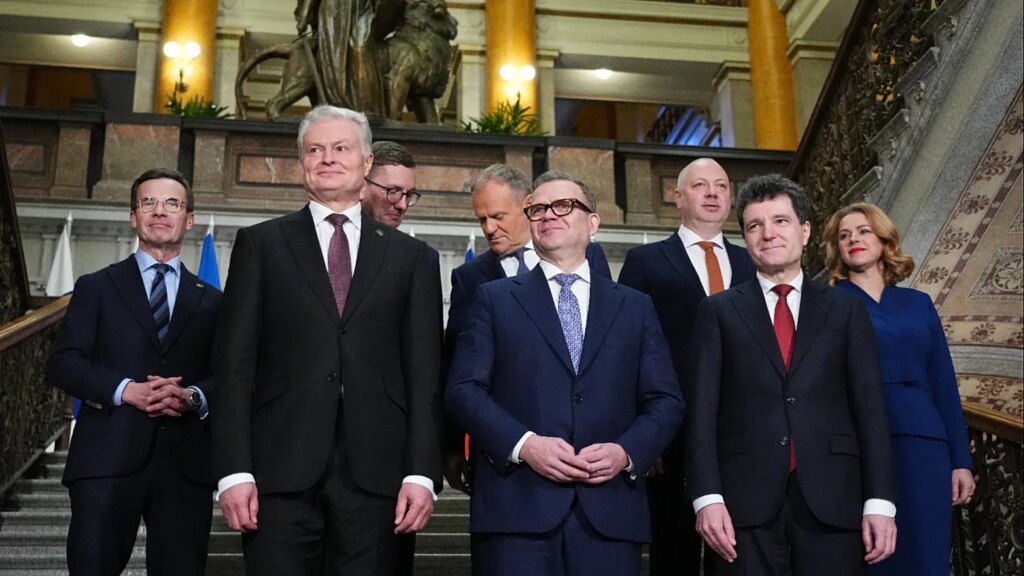
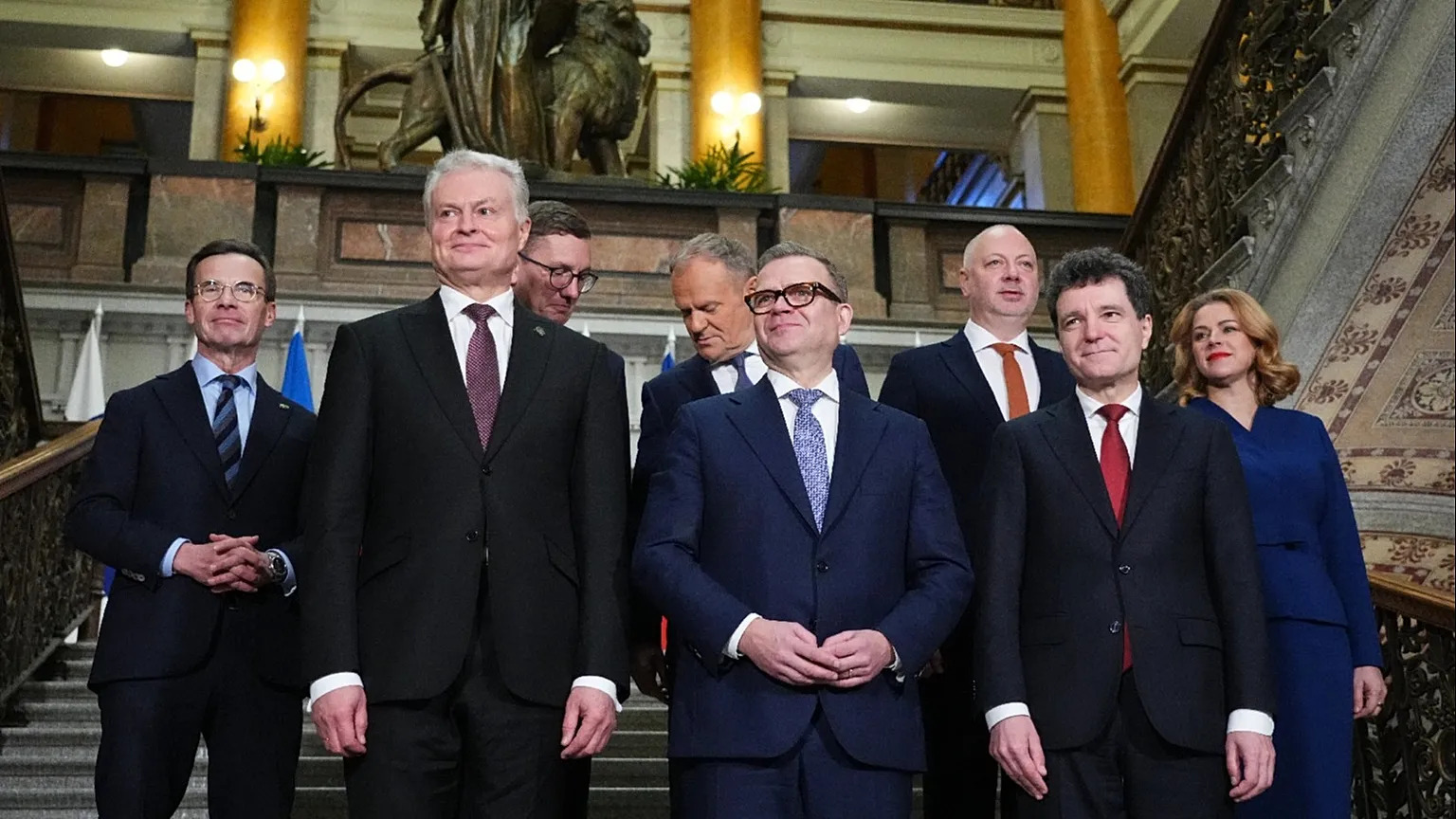
Following a summit in Helsinki, the heads of Sweden, Finland, Poland, Estonia, Latvia, Lithuania, Romania, and Bulgaria released a joint declaration asserting that, given Russia’s status as the «most significant, direct and enduring threat» to European security, an «immediate prioritization of the EU’s Eastern Flank via a coordinated, multi-domain operational strategy» is essential.
Introduced in mid-October, the Eastern Flank Watch is among four flagship projects recommended by the European Commission to receive urgent funding under the Defence Readiness 2030 Roadmap. Complementary initiatives include a European Drone Initiative and a European Space Shield.
According to the EU executive’s proposal, the project aims to enhance the capacity of Eastern member states to confront various threats such as hybrid warfare, drone incursions, Russia’s covert fleet, and the potential for armed conflict.
The plan foresees the designation of the Eastern Flank Watch as a European Defence Project of Common Interest, which would unlock additional EU funding and enable expedited planning and approval processes.
However, the proposal currently lacks specifics regarding the design or budget of the initiative, and EU27 leaders have yet to formally approve the roadmap—though such endorsement is anticipated during the Brussels summit on Thursday.
This roadmap forms part of a series of initiatives advanced by the Commission to accelerate European defence production and procurement before 2030, responding to alerts that Moscow might challenge NATO’s Article 5 within the next four to five years.
Measures include granting member states increased fiscal flexibility for defence expenditures, establishing a defence loan mechanism, and simplifying regulations for defence industry entities.
«The strengthening of European defence will stall without the eastern border states voicing their realities clearly,» Finnish Prime Minister Petteri Orpo stated to reporters following the meeting on Tuesday.
«Finland is ready to assume leadership of the Eastern Flank Watch alongside Poland. I emphasize that all EU member states are invited to participate,» he added.
The eight nations have committed to advancing technical-level work «to develop tangible measures» and clarify the scope of the flagship project, Orpo also remarked.
Presently, the declaration outlines their belief that the Eastern Flank Watch should encompass capabilities such as ground combat, drone countermeasures, air and missile defence, border and critical infrastructure protection, military mobility and counter-mobility, along with strategic enablers.
It also asserts the necessity for «broad EU backing and involvement, utilizing various EU instruments,» including the recently approved €1.5 billion European Defence Industry Programme.
Moreover, the Eastern Flank leaders called for a portion of the EU’s next multi-annual financial framework to be allocated to these efforts. Scheduled for 2028 onwards, this budget could assign up to €131 billion to defence, representing a fivefold increase from previous allotments.
«One aim» of this new collaborative format, according to Polish Prime Minister Donald Tusk, is to «effectively utilize EU funds and financing,» with the eight countries prepared to apply «political pressure supported by strong and united arguments» during negotiations with other EU members.
«Consensus on the necessity in this region is widespread,» Tusk added. «Our approach is pragmatic. I am confident that for the security of not just my country, but all of us, this format and our joint work are crucial and can serve as a model for other nations.»