
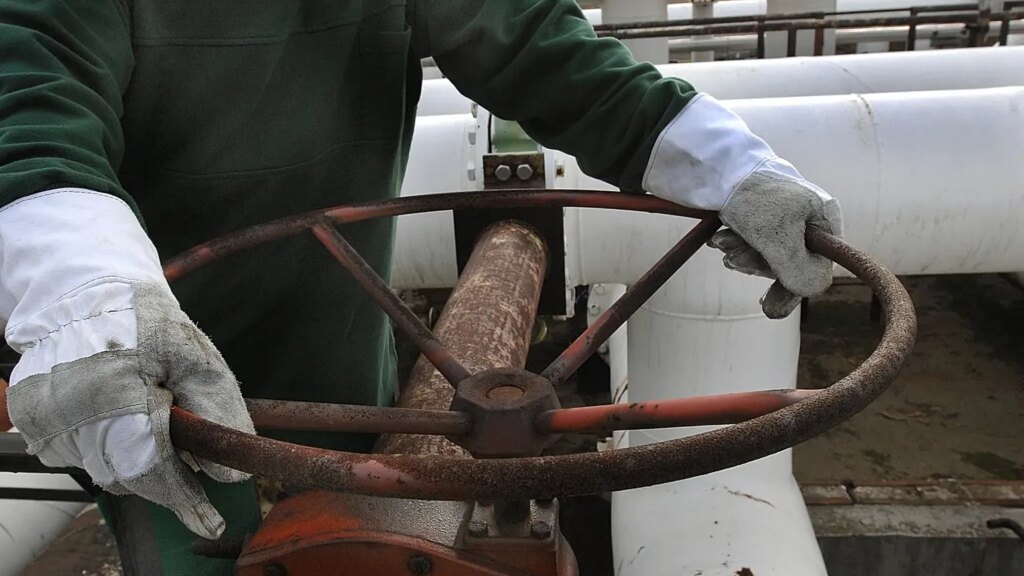
The pipeline transporting Russian oil to Hungary through Ukraine has sparked tensions between Budapest and Kyiv after operations ceased due to damage caused by a drone strike.
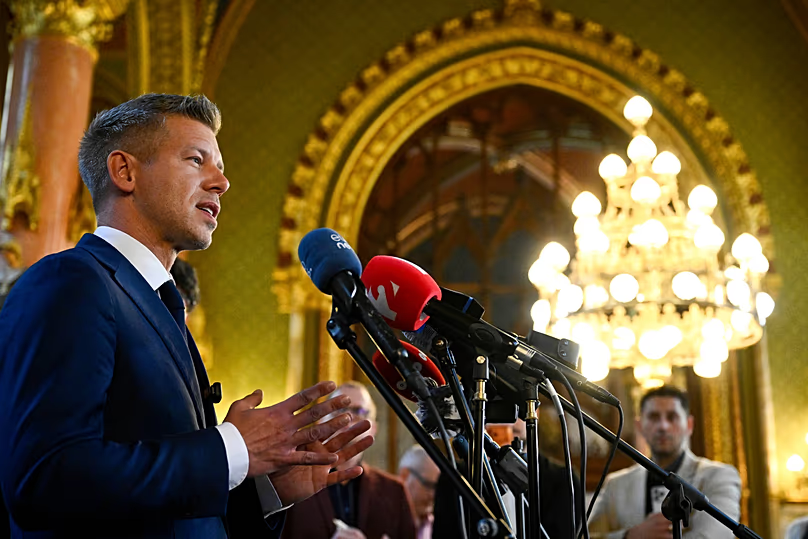
Hungary’s Prime Minister-elect Péter Magyar announced on Friday that the Druzhba pipeline carrying Russian oil might restart its flows next week.
 ADVERTISEMENT
  ADVERTISEMENT
According to Magyar, the Hungarian oil and gas company MOL MOLB.BU informed him that «based on updates from their partners, the Druzhba oil pipeline is expected to resume operations next week.»
The Druzhba pipeline, supplying Russian oil to Hungary and Slovakia through Ukrainian territory, became a focal point of dispute after flows were halted due to damage inflicted by a Russian drone strike at the end of January.
Hungary, which has no access to the sea, relies heavily on Russian energy supplies. When the pipeline ceased functioning, outgoing Prime Minister Viktor Orbán exercised his veto to block a €90 billion aid package intended for Ukraine.
Although the financial assistance plan received approval from the 27 European Union leaders in December, Orbán used his veto in mid-February to obstruct the legislative process linked to the Druzhba pipeline conflict, framing Ukraine’s President Volodymyr Zelenskyy as the adversary in his unsuccessful re-election campaign.
Key discussions with the EU
Simultaneously, European Union representatives are holding talks in Budapest with Magyar’s team on Friday, addressing multiple topics such as the release of approximately €17 billion in assistance to Hungary that had been withheld during Orbán’s tenure.
Magyar is set to assume office in May, while the EU aims to accelerate discussions to facilitate cooperation with the new administration, commented European Commission spokesperson Paula Pinho in Brussels on Thursday.
«Time is pressing on several issues,» Pinho noted. The «initial talks» taking place in Budapest ahead of Magyar’s inauguration aim to «ensure that prompt action can be undertaken once the government is formed, preventing any delays.»
The EU suspended billions in funds to Hungary due to concerns over corruption and democratic decline under Orbán’s 16 years in power. Both the EU and Hungary’s incoming leadership prioritize unlocking these funds promptly to provide crucial support to Hungary’s fragile economy.
European Commission President Ursula von der Leyen tweeted on Tuesday about the need for «rapid measures to restore, realign and reform» Hungary’s policies to unblock the financing.
«Restore the rule of law. Realign with our shared European values. And reform, to unlock the opportunities offered by European investments,» stated the EU chief, who was a frequent target of Orbán’s criticism during his campaign.
Magyar’s party, Tisza, secured a super-majority in parliament, enabling swift and comprehensive reforms. He has pledged to focus on issues like judicial independence, academic and media freedom, and anti-corruption to gain access to the funds.
At his first press conference after a decisive victory on 12 April, Magyar acknowledged that Hungary «faces a severe financial crisis,» and his government’s objective will be «to reclaim the funds rightfully owed.»
The financial package includes €10 billion in COVID recovery funds and €6.3 billion in cohesion funds aimed at supporting economically weaker EU regions.
Brussels and Budapest are prioritizing unlocking the COVID funds first, as these are due to expire in August.
Hungary, a significant net beneficiary of EU support, has faced growing criticism for drifting away from democratic principles. For over a decade, the Commission has accused Orbán of undermining democratic institutions, controlling the media, and violating minority rights.
Orbán dismissed these claims, denouncing them as infringements on Hungary’s sovereignty.
Additional sources • AP