
Analysts in the energy field have issued warnings regarding further escalations in energy prices beyond the already high levels, as the final shipments of oil and natural gas passing through the Strait of Hormuz before the conflict have now arrived in Europe. Forecasts for oil and gas supply remain positive due to anticipated deliveries from the US.
Europe must brace for another wave of energy price increases, since the last oil and LNG tankers that departed the Strait of Hormuz prior to the Middle East conflict have reached their destinations, experts have warned.
 ADVERTISEMENT
  ADVERTISEMENT
European Union nations have depended on emergency oil stocks released by the International Energy Agency on March 11, following the loss of supplies to Asian buyers who offered higher prices for the final consignments leaving the Strait of Hormuz. This strait is a vital maritime route that accounted for approximately one-fifth of global oil and LNG transit prior to the Middle East conflict.
This alert from analysts arrives as the European Commission plans to introduce a set of initiatives next week aimed at helping consumers and industries manage soaring energy costs.
Meanwhile, IEA Executive Director Fatih Birol highlighted that the «largest energy security crisis in history» has resulted from the closure of this crucial passageway, following military strikes by US and Israeli forces against Iran on February 28.
«So far, increases in Europe’s gas and electricity prices have been moderate, yet this trend is unlikely to persist should the strait continue to remain shut,» wrote Elisabetta Cornago and John Springford for the Centre for European Reform think tank.
Brent crude oil, the key global benchmark, hit $102.02 per barrel before easing back to $98 during Monday’s US afternoon trading. Natural gas, under Europe’s main pricing benchmark, is trading around €45/MWh, down from €74/MWh, which was the peak level since the conflict began.
Jorge León, head of geopolitical analysis at Norwegian consultancy Rystad Energy, noted that Europe’s primary vulnerability lies in its dependence on global oil and natural gas prices: “Even small quantities arriving from the Gulf could jeopardize the competitiveness of its industrial sector.”
LNG ‘remains healthy’
Despite price hikes and increased restocking requirements, experts report that Europe’s natural gas pipeline supplies «remain robust,» while LNG shipments are currently at volumes expected in 2025.
«From an LNG standpoint, although the global market has tightened markedly, Europe is not considered at risk of supply shortages,» Ronald Pinto, LNG analyst at the international trade intelligence company Kpler, told Euronews.
«It is anticipated that Europe will secure enough LNG imports to start next winter with adequate gas storage, albeit at prices significantly higher than initially projected,» Pinto added.
Since the onset of the Iran conflict, a total of 277 LNG carriers have docked in Europe, including the UK and Turkey, as per Kpler data.
Within the European Union alone, the number reached 228 vessels, a sharp rise compared to the 150 vessels that used to transit the Strait daily prior to the war.
The last LNG tanker from Qatar docked in Europe (UK) on April 10.
Stranded oil and US oil
Meanwhile, at least 150 fully loaded oil tankers have been stranded along the Gulf Coast since the Strait of Hormuz was closed.
Under the most favorable scenario, prior to these oil shipments reaching countries and refineries, vessels need to leave the Gulf, undertake a roughly 30-day voyage, unload, return, and reload—causing a minimum 90-day delay before normal export flows can resume.
Since the blockade of the Strait of Hormuz, 21 oil tankers have arrived in Europe, according to Kpler.
Analysts also anticipate «a substantial volume of oil shipments for Europe» from the 68 empty tankers arriving in the US intended to transport it worldwide, as declared by US President Donald Trump on April 11.
«It is realistic to expect their arrival around May 10,» energy analyst Homayoun Falakshashi of Kpler told Euronews.
‘More defined transit’ in the Strait of Hormuz
Experts observe a developing pattern that could enhance predictability within global energy markets.
Recent data from Kpler shows that «a more regulated transit arrangement is taking shape» in the Strait of Hormuz amidst increased uncertainties following the US threat to obstruct this key energy chokepoint.
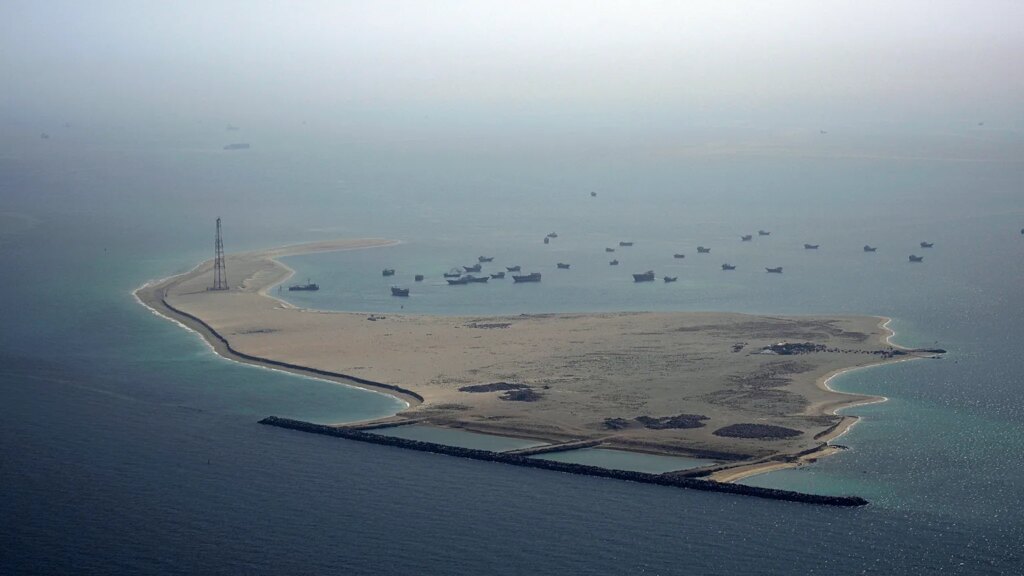
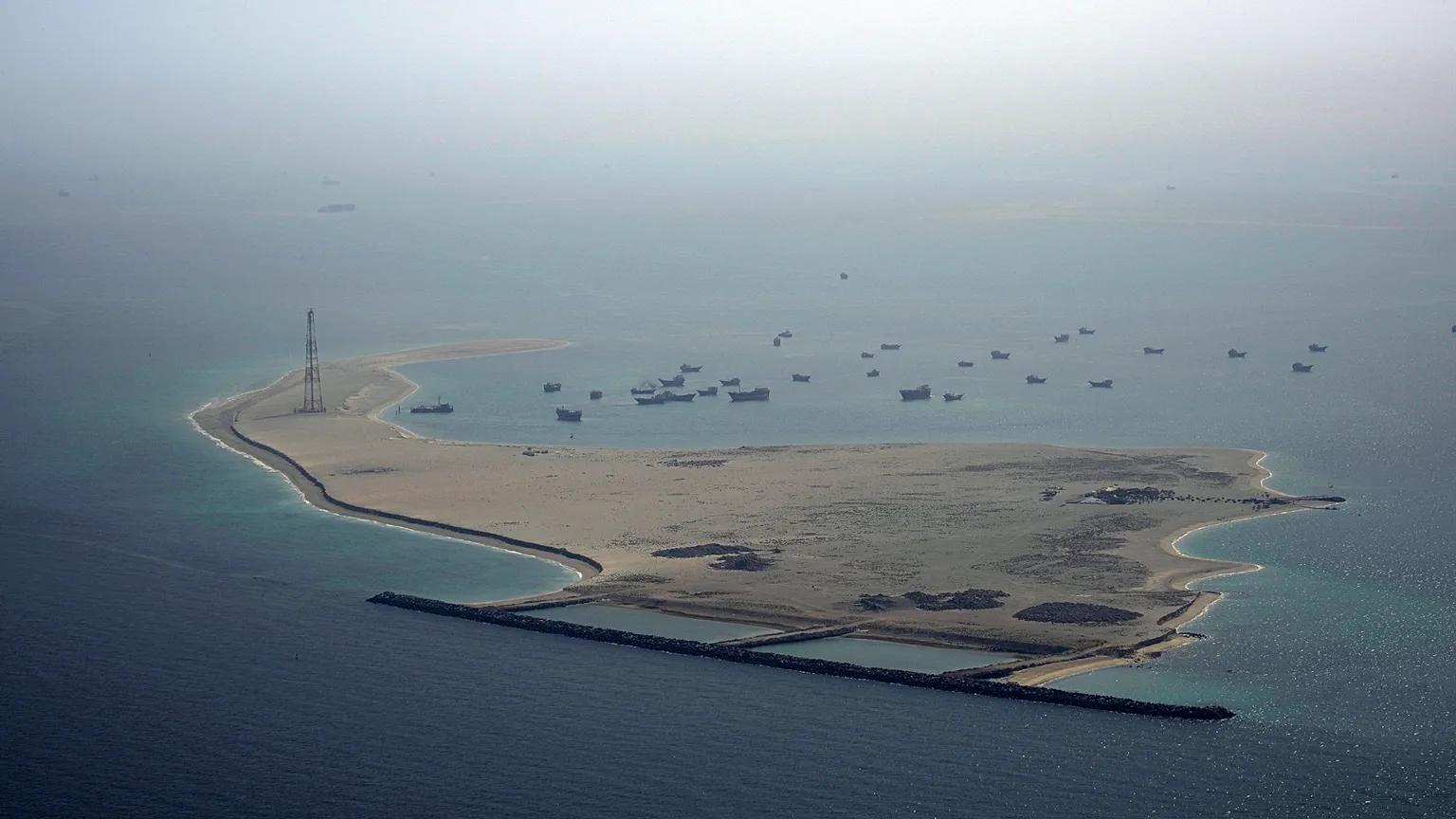
Iran’s Larak Island, situated near Bandar Abbas, functions as both the administrative and enforcement hub, requiring vessels to provide comprehensive documentation before they are authorized to transit the Strait, according to Kpler. Furthermore, liquid cargoes are subject to a $1 per barrel tariff, reportedly payable in cryptocurrency upon exiting the Gulf.
«This procedure involves pilot boarding and cargo verification before continuing onward transit. Restrictions on vessels flagged or owned by certain entities, alongside strict traffic control, indicate a more structured environment with impacts on costs, adherence requirements, and transit times,» Kpler stated.