
During the G7 summit, foreign ministers from some of the world’s most developed economies convene to address pressing global crises. However, questions arise: what is this group exactly, and does it still possess the influence needed to resolve worldwide issues?
The Group of Seven comprises an exclusive, informal alliance including the United States, Canada, France, Germany, Italy, Japan, and the United Kingdom, together with the European Union.
 ADVERTISEMENT
  ADVERTISEMENT
This group wields substantial economic clout. When the G7 aligns on measures like asset freezes or implementing global taxation, other nations typically heed and adjust accordingly.
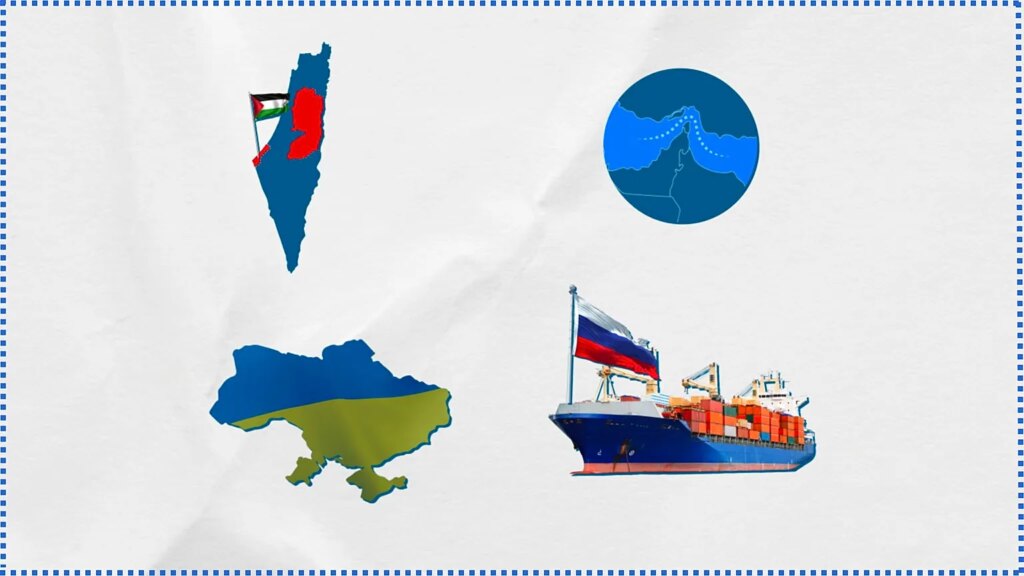
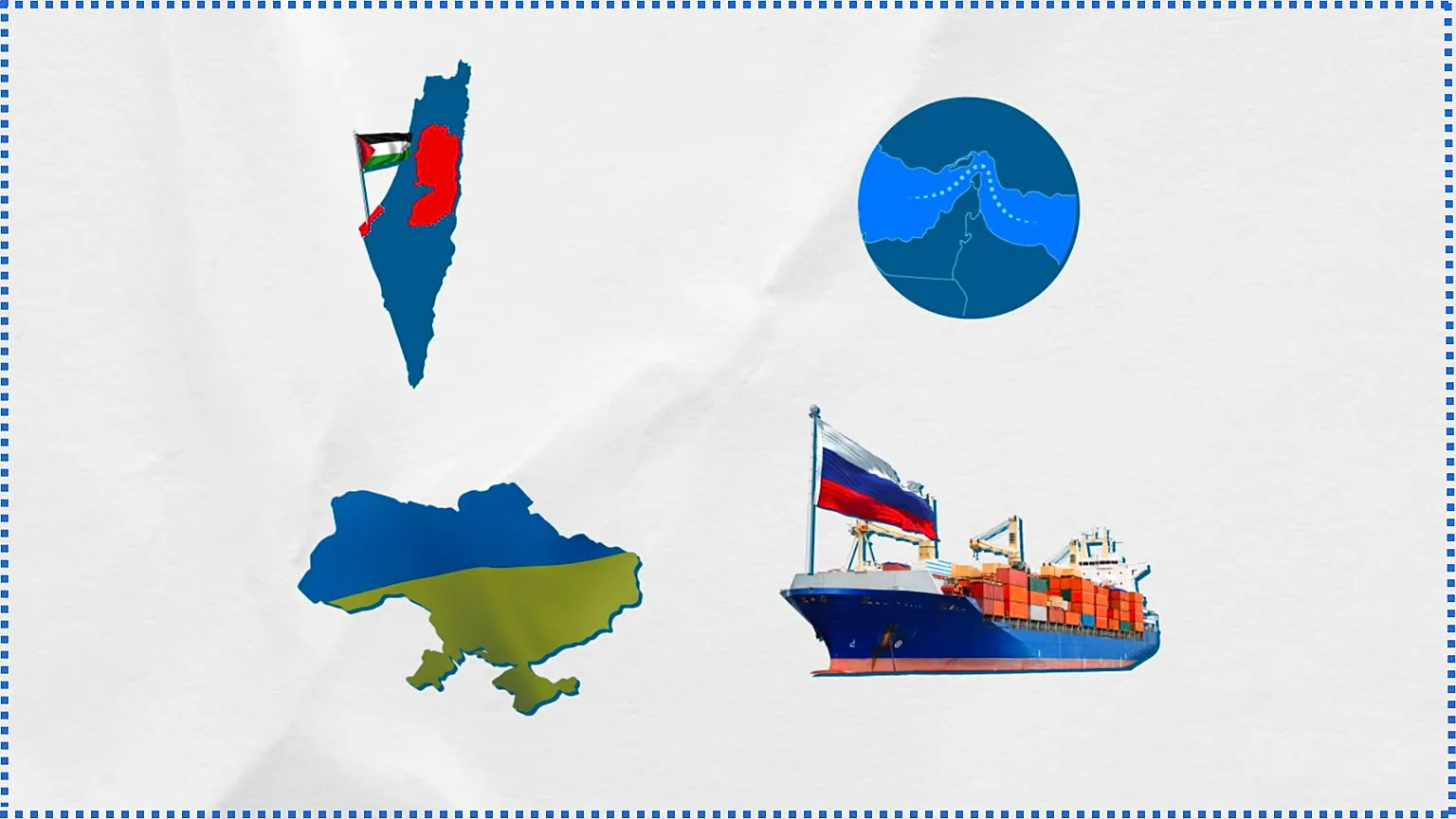
As the delegates meet today, their agenda includes discussions on ceasefire initiatives in Gaza, safeguarding shipping lanes through the Strait of Hormuz, supporting Ukraine, and increasing sanctions against Russia’s shadow fleet.
This scenario echoes past events, since the G7 was originally formed on France’s proposal in response to the oil crisis of the 1970s.
Yet, the question remains: does it hold real power?
The G7 cannot enact binding international legislation nor does it maintain a joint military force. The success of any commitment depends entirely on the participating leaders’ adherence within their own nations.
Structural challenges also limit the group’s reach. By restricting membership to primarily Western powers, it risks alienating the Global South. The rapid growth of BRICS, a coalition of emerging economies, underscores that G7 no longer stands alone as a dominant player on the global stage.
Despite this, while figures like Donald Trump attempt unilateral control over global policymaking, the G7 continues to represent a significant effort by the world’s largest democracies to collaborate rather than fracture.
For the complete report, watch the Euronews video featured in the player above.