
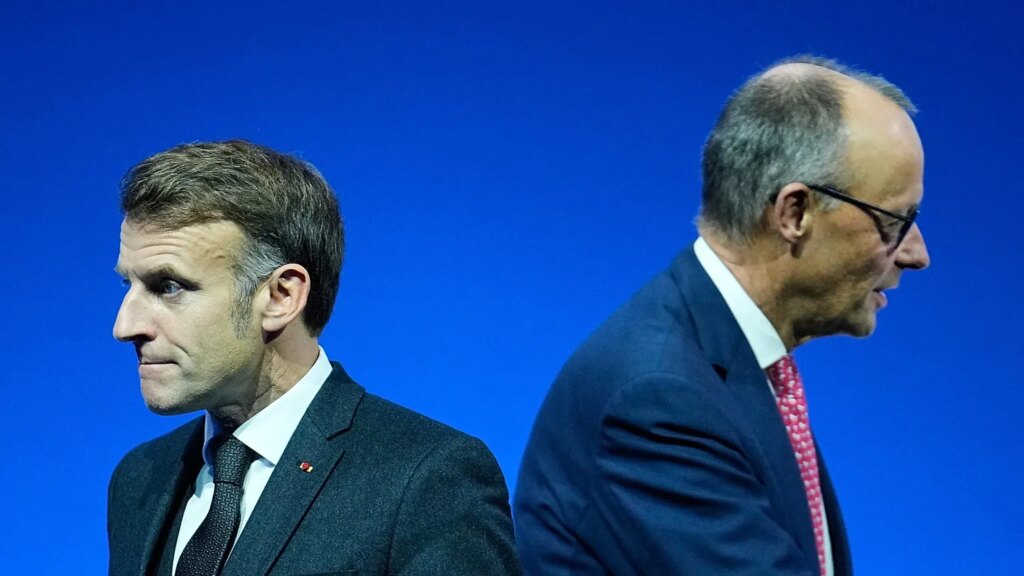
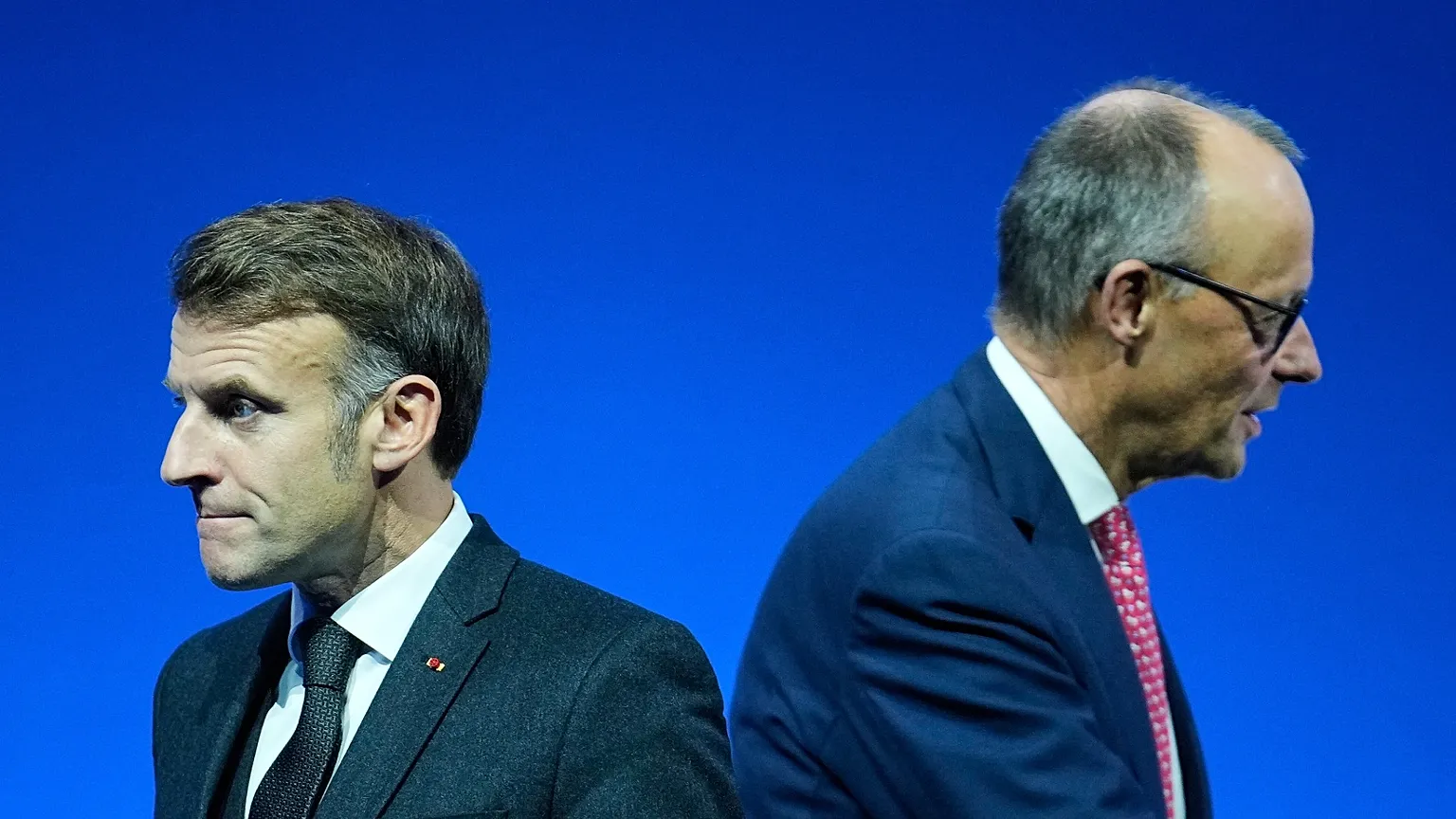
The FCAS initiative aiming to create a new European fighter aircraft has encountered delays due to conflicts between Airbus and Dassault. Recent comments from France’s Emmanuel Macron and Germany’s Friedrich Merz indicate that a resolution remains out of reach.
French President Emmanuel Macron reaffirmed on Thursday his stance that Europe should collaborate on a single, unified fighter jet, despite his German counterpart and Airbus expressing openness to exploring a dual-fighter approach.
 ADVERTISEMENT
  ADVERTISEMENT
«Europeans, understanding the course history is setting, stand to benefit from standardization and simplification, which means adopting a common model,» Macron said during a visit to India.
«Efforts must intensify, but I am also reflecting on the strategies of our nations and Europe, as well as the prudent use of taxpayers’ funds. Is producing more aircraft the optimal allocation? Establishing a European standard is essential,» he added.
Since 2017, France, Germany, and Spain have engaged in discussions to develop the Future Combat Air System (FCAS), which is intended to succeed two widely deployed aircraft: France’s Rafale and the Eurofighter utilized by Germany and Spain.
The target launch year is 2040; however, the program has stalled amid disagreements between Airbus and Dassault. Dassault has stated it could independently construct the fighter and insists that the majority of the workforce should be located in France.
The FCAS project symbolizes Europe’s broader effort to modernize defense capabilities, with Macron and German Chancellor Friedrich Merz holding extensive talks on accelerating progress over recent months. Yet Merz indicated on Wednesday that Berlin might completely withdraw from the venture, noting differing national requirements.
“France requires the next-generation fighter jet to carry nuclear weapons and operate from aircraft carriers, unlike the German military’s current needs,” Merz said on the Machtwechsel podcast.
Airbus CEO Guillaume Faury also remarked on Thursday that developing two distinct jets could be a practical solution.
«If our clients demand it, we are prepared to support a two-fighter concept and are committed to leading this effort,» Faury told a press conference.
Still, he emphasized that «the impasse over a single platform should not compromise the entire future of this advanced European capability that strengthens collective defense».
Macron noted that the geopolitical shifts unfolding globally compel increased European defense production rather than less.
«We are discussing an aircraft generation expected post-2040-2050. Should one expect the world to be simpler and less competitive then? Certainly not,» he told the press, referencing China and India’s actions to expand their military aviation sectors.
Choosing to develop a single fighter jet was a strategic move, he said, while acknowledging «company disagreements do arise».
«But should those disputes dictate national strategies? Absolutely not.»