
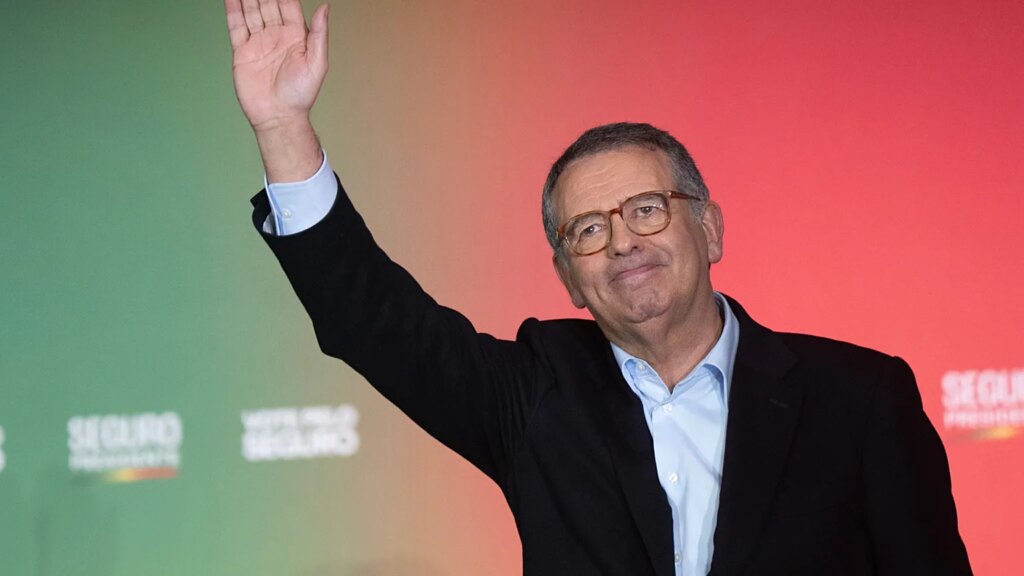
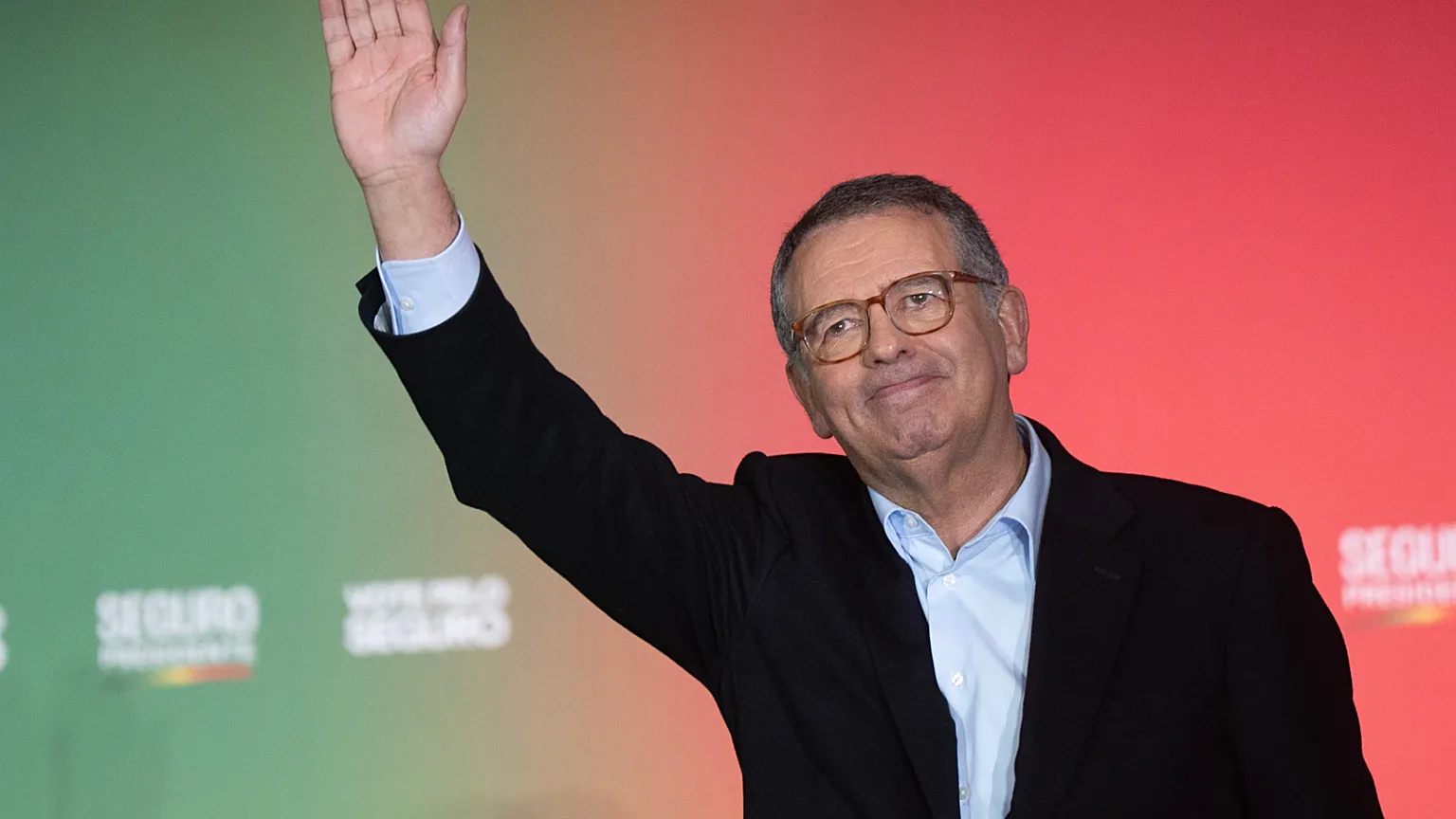
The Socialist Party candidate António José Seguro secured 66.7% of the vote, against 33.3% for André Ventura’s far-right Chega party, based on official results with 99% of ballots tallied.
According to official counts with 99% of votes processed, centre-left Socialist António José Seguro achieved a decisive victory over far-right challenger André Ventura in the Portuguese presidential election held Sunday. He becomes the first socialist president in two decades, re-emerging as a significant figure in national politics. In his acceptance speech, he vowed to be a demanding and attentive president, avoiding opposition for opposition’s sake.
“I pledged loyalty and institutional cooperation with the government and will honor that commitment. I won’t act as a counter-power, yet will insist on effective solutions and tangible outcomes,” Seguro stated.
Sixty-three-year-old Seguro won a five-year mandate in Lisbon with 66.7% of votes, while Ventura and his Chega party gathered 33.3%. The new Socialist leader ran as a moderate figure, promising collaboration with Portugal’s centre-right minority government and rejecting Ventura’s anti-establishment and anti-immigrant discourse.
He united support from other mainstream politicians eager to stem the rise of populism.
European Commission President Ursula von der Leyen congratulated Seguro via social media, saying: “Portugal’s voice in support of our shared European values remains strong.”
Though André Ventura anticipated defeat early on, he nevertheless achieved his best performance yet, as Chega exceeded one and a half million votes for the first time. While not reaching the near two million votes the Democratic Alliance won in the previous legislative elections, Ventura obtained 33% — surpassing the 31% garnered by the government parties in May.
After election night, Ventura expressed feeling empowered. He claims to lead an unstoppable movement destined to transform Portugal on behalf of the people and against the elites.
Following the official results, Ventura shared his party’s optimism: “The Portuguese message was clear. We lead the right-wing in Portugal, and soon we will govern the country.”
Eleven million citizens, both in Portugal and abroad, were eligible to vote in the election.
António José Seguro was favored to win the runoff against André Ventura, whose Chega party, founded in 2019, is currently the largest opposition faction in parliament.
In the initial round, Seguro obtained 31.1% of votes, while Ventura secured 23.52%.
In Portugal, the presidency holds mainly symbolic power without executive authority. Traditionally, the head of state remains above party politics, functioning as a mediator to resolve conflicts and alleviate tensions.
Video editor • Lucy Davalou