
The 20th round of EU sanctions targeting Russia focuses on oil, gas, the «shadow fleet,» banking, cryptocurrency, and metals.
The European Commission has introduced a further set of sanctions against Russia, aiming to escalate economic pressure on Moscow’s war-driven economy and compel meaningful compromises at the negotiation table.
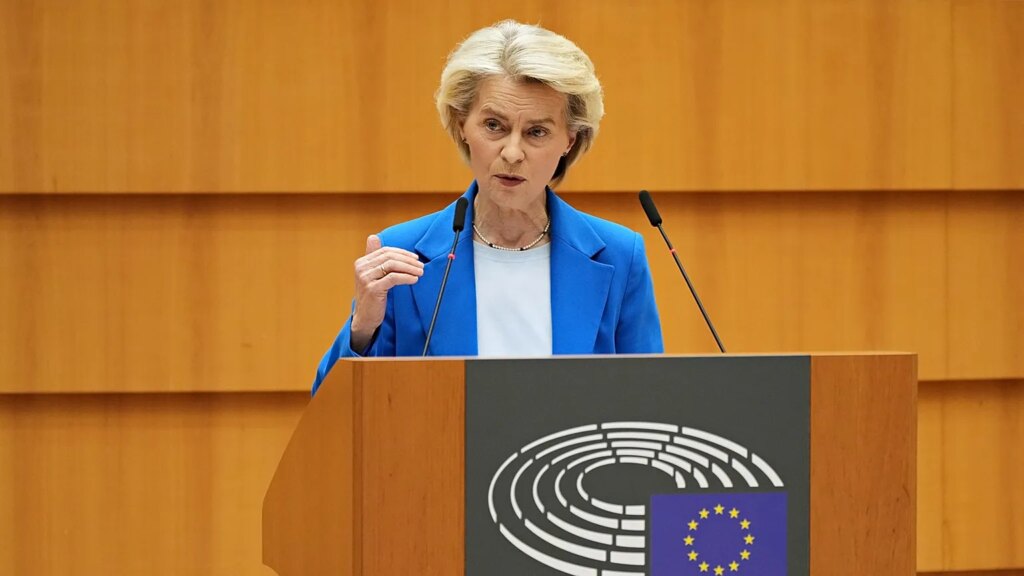
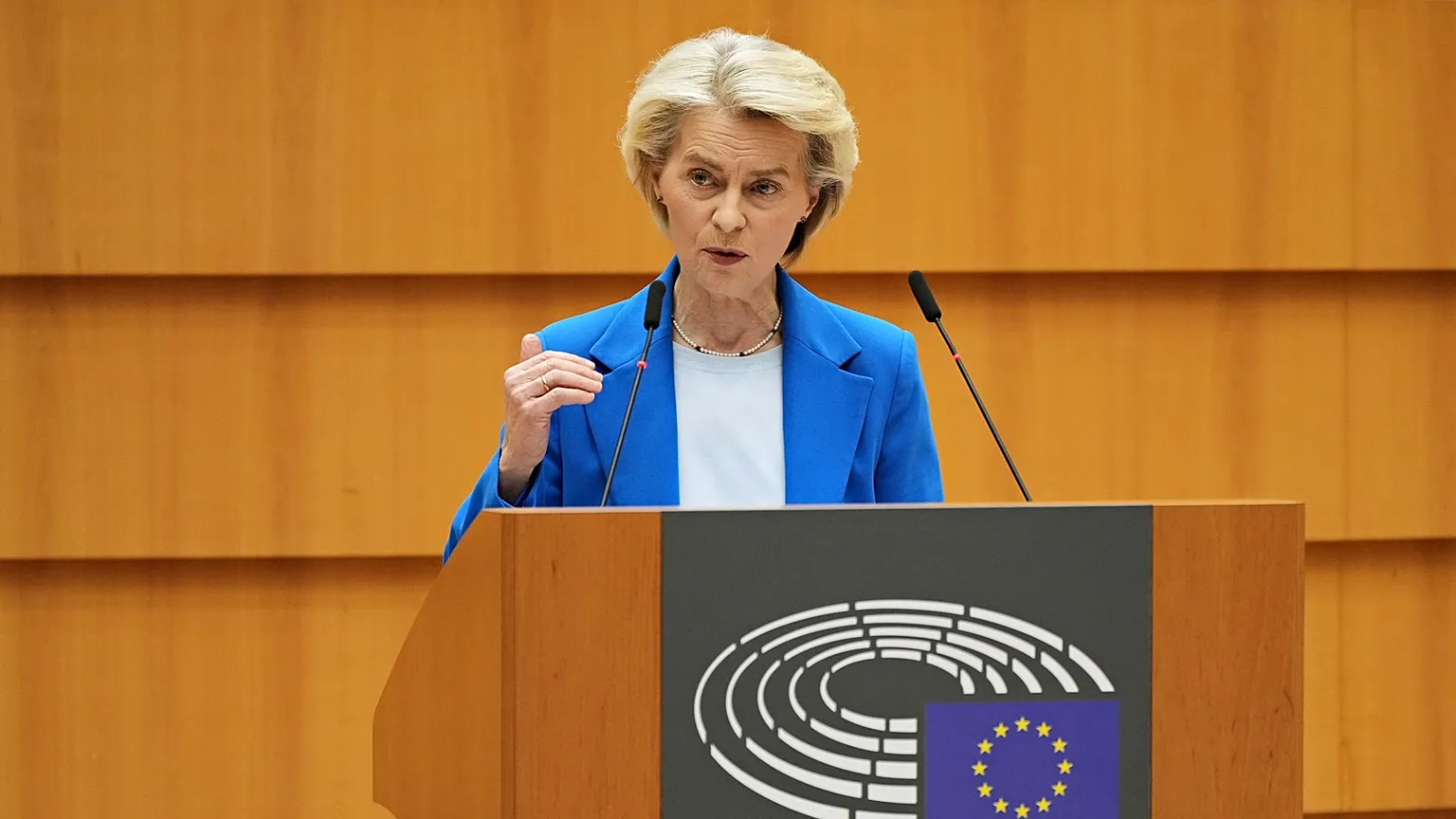
«As Ukraine continues to demonstrate remarkable resilience on the battlefield, the Kremlin intensifies war crimes, deliberately targeting civilian homes and infrastructure,» stated Commission President Ursula von der Leyen on Friday afternoon.
«It must be understood clearly: Russia will only engage in sincere talks if subjected to significant pressure. This is the sole language Russia responds to.»
The package’s centerpiece is a comprehensive ban on maritime services designed to further reduce Russia’s energy income, which von der Leyen highlighted should be implemented «in coordination with like-minded partners following a G7 decision.»
This broad prohibition, initially supported by Finland and Sweden, would forbid EU companies from delivering any services—such as insurance, shipping, or port entry—to vessels transporting Russian crude oil.
Until now, the EU permitted these services solely to tankers compliant with the G7 price cap, which has been in effect since December 2022.
The cap was recently modified to $44.10 per barrel to better align with market conditions and intensify restrictions on Russia’s war economy.
The dynamic ceiling is applied by the EU, UK, Canada, Japan, and Australia, whereas the US maintains the original threshold of $60 per barrel.
Effectively, the ban would render the price cap inoperative within the EU jurisdiction, since servicing any Russian vessel would be prohibited outright, regardless of whether their sales fall above or below the cap.
Finland and Sweden argued that such a ban would greatly elevate material costs for Russia’s oil industry, simplify enforcement, and block the use of forged documentation frequently exploited by Moscow to circumvent Western sanctions.
Nonetheless, it remains uncertain if all member states support this approach, as unanimous agreement among the 27 capitals is mandatory for adoption.
Involving the UK is critical, given its leading role in Protection and Indemnity (P&I) maritime insurance worldwide.
Von der Leyen also indicated that a similar restriction would extend to the servicing and maintenance of Russian liquefied natural gas (LNG) tankers and icebreakers. EU countries have already agreed to halt all Russian LNG imports by the end of the year.
Additionally, 42 more vessels from Moscow’s «shadow fleet»—aging ships employed to avoid the G7 price cap—would be blacklisted, raising the total to 640 vessels.
Efforts to Stop Circumvention
Apart from energy, the proposed sanctions would target 20 Russian regional banks as well as firms and platforms active in cryptocurrency markets, avenues used by the Kremlin to bypass sanctions and develop alternative payment methods.
The EU plans to constrain imports of Russian metals, chemicals, and critical minerals valued at approximately «€570 million,» according to von der Leyen, while also applying import quotas on ammonia, an essential component in fertilizers. Exports of rubber, tractors, and cybersecurity services would be restricted as well.
For the first time, von der Leyen noted the EU would activate the Anti-Circumvention Tool to ban sales of computer numerical control machines and radios to countries «where re-export to Russia is highly probable.»
The tool has not been utilized since its 2023 introduction, despite extensive evidence that Russia’s neighbors and allies, chiefly China, have circumvented restrictions.
Brussels aims to finalize approval of the 20th sanctions package before the full-scale invasion reaches its fourth anniversary on 24 February.
On that day, von der Leyen and European Council President António Costa will visit Ukraine to reaffirm the EU’s ongoing support.
«These sanctions are effective, and their use will continue until Russia commits to genuine talks with Ukraine to secure a fair and lasting peace,» she affirmed.
«Ukraine’s security, prosperity, and free future remain central to the Union’s priorities.»
US Considers Additional Measures
The Friday announcement follows a two-day trilateral discussion in Abu Dhabi between Ukrainian, Russian, and American officials. This diplomatic endeavor has led to cautious optimism for a potential war resolution by 2026, although tangible progress has been minimal.
At the Abu Dhabi talks’ conclusion, Ukraine and Russia agreed to exchange 314 prisoners of war. Concurrently, the US and Russia opted to resume high-level military dialogues for the first time in over four years.
These discussions were overshadowed by the failure of an energy ceasefire negotiated by US President Donald Trump. Merely four days after its announcement, Russia launched a massive assault on Ukraine’s energy grid using 450 drones and 70 missiles. These relentless attacks caused severe power outages amid harsh winter conditions.
US Treasury Secretary Scott Bessent mentioned that new sanctions against Russia are «under consideration» in response to recent events.
«The outcome of the peace talks will guide our decisions,» Bessent explained.
In 2023, Washington largely refrained from imposing fresh sanctions on Russia, aiming for a swift conflict resolution. However, in October, the White House targeted Russia’s two largest oil firms, Rosneft and Lukoil, after concluding that President Vladimir Putin’s maximalist stance remained unchanged.
Owing to the US dollar’s dominance in international trade, Washington’s sanctions exerted extraterritorial influence, compelling Moscow to sell its Urals crude at deeper discounts.
This article has been updated with additional information.