
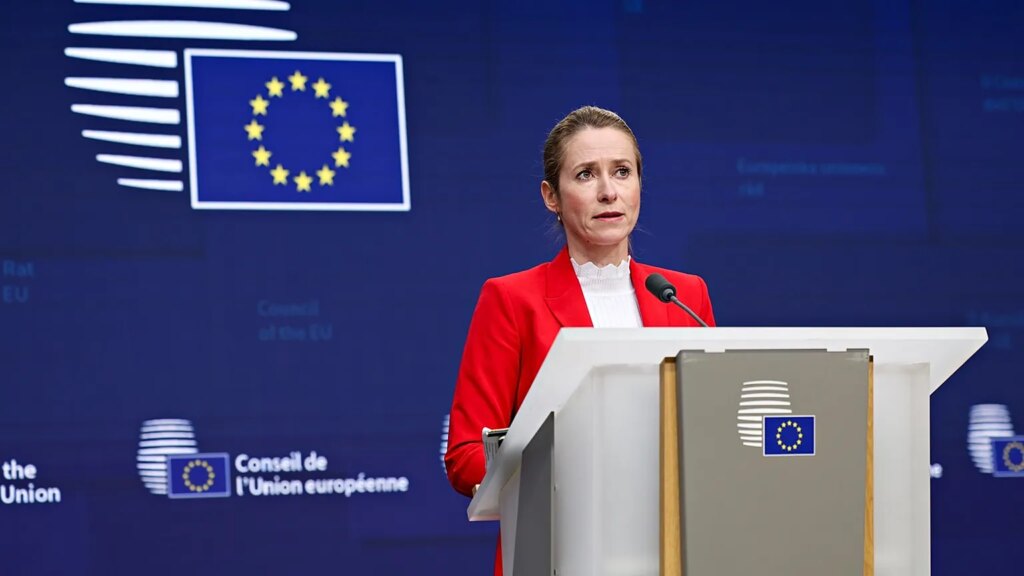
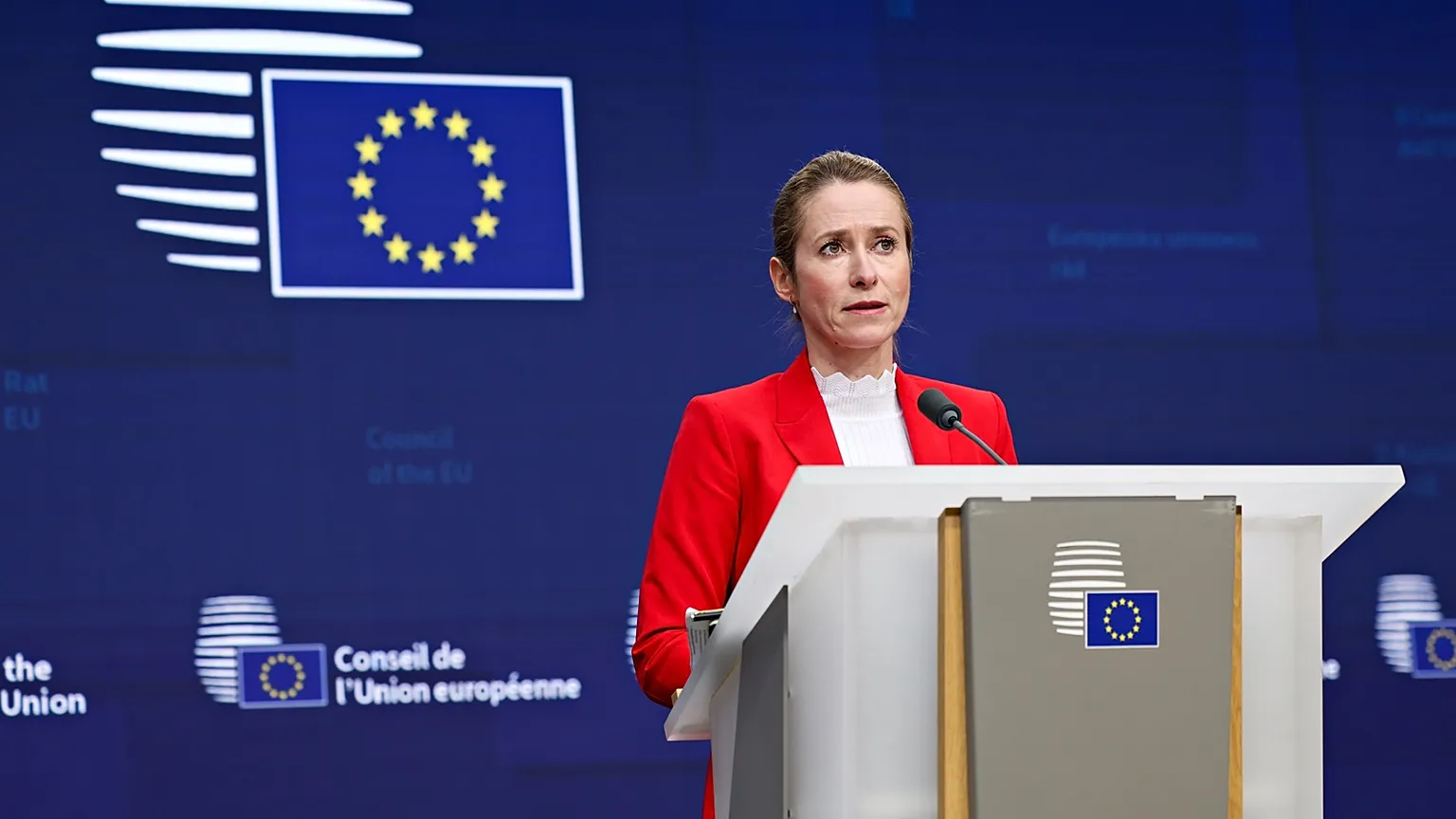
The repression of protesters in Iran has sparked a strong response from European leaders, with High Representative Kaja Kallas condemning Tehran for its «excessive» and «harsh» measures.
The European Union has strongly criticized the suppression of demonstrators in Iran who have taken to the streets to express their dissatisfaction with the Islamic Republic.
«The Iranian population is fighting for their future. By dismissing their legitimate demands, the regime reveals its true nature,» High Representative Kaja Kallas stated on Friday. «Footage from Tehran shows a response by security forces that is both excessive and severe. Any violence against peaceful protesters is unacceptable.»
Separately, the European Commission condemned «the rising number of fatalities and injuries» and called for respect for the right to peaceful assembly.
«The Iranian people are voicing their rightful desire for improved living conditions,» a Commission spokesperson said during the daily press briefing.
When questioned about the Commission’s stance on regime change amid widespread protests, the spokesperson emphasized that «regime change has never been part of the EU’s unified policy towards Iran».
The protests began on 28 December as demonstrators voiced their anger over the country’s weakening economy, soaring inflation, and plunging currency value. As the movement rapidly spread nationwide, it evolved into outright resistance against the entire theocratic regime, with slogans such as «Death to the dictator!» and «Death to the Islamic Republic!».
As demonstrations intensified, Iran’s Ayatollah Ali Khamenei declared his government would «not retreat» and promised «zero leniency». He also accused protesters of «damaging their own cities to please the president of a foreign country,» referring to US President Donald Trump, who had warned Iran it would be «hit very hard» if it harmed its civilians.
At least 42 people have died and over 2,270 detained in Iran since 28 December, according to the US-based Human Rights Activists News Agency.
The most recent escalation occurred Thursday night after Reza Pahlavi, the eldest son of Iran’s last shah, called on Iranians to fight for their freedom.
In a direct plea, Pahlavi urged European leaders to follow Trump’s example by «breaking their silence and taking stronger action» in support of the Iranian people.
«I urge them to use every technical, financial, and diplomatic tool available to restore communication to the Iranian population, so their voices and will can be heard and seen,» he said. «Do not allow my brave compatriots’ voices to be silenced.»
In reaction to Pahlavi’s appeal, Tehran cut off Internet access and international phone communications, intensifying both domestic and international condemnation.
«Shutting down the internet while violently quelling protests reveals a regime fearful of its own citizens,» Kallas stated in her announcement.
‘Chains of oppression’
Responses from European leaders started arriving on Thursday after the Internet blackout and continued through Friday.
European Parliament President Roberta Metsola was among the first to comment, honoring the «generation determined to break free from oppression» and condemning «the cruelty of a regime focused on its own survival».
«We recognize the change that is underway,» Metsola said in a social media video.
Belgian Prime Minister Bart De Wever declared, «Brave Iranians are rising for freedom after years of repression and economic suffering. They deserve our full support.»
His Swedish counterpart, Ulf Kristersson, shared similar sentiments. «The undeniable demands for freedom and a better future cannot be silenced in the long term by violence and oppression,» Kristersson said via social media.
German Foreign Minister Johann Wadephul criticized the «excessive force» and urged Iranian authorities to «comply with their international obligations».
The Iranian Mission to the EU responded to the expressions of solidarity with the protesters by labeling them «interventionist» and accusing Europe of a «double standard», referencing the EU’s reaction to the Israeli offensive on Gaza.
The protests come at a sensitive moment for Iran, following last year’s 12-day conflict with Israel and the subsequent US strikes on its nuclear sites. France, Germany, and the United Kingdom later decided to reinstate UN sanctions on Iran over its failure to comply with the international agreement limiting its nuclear programme.