
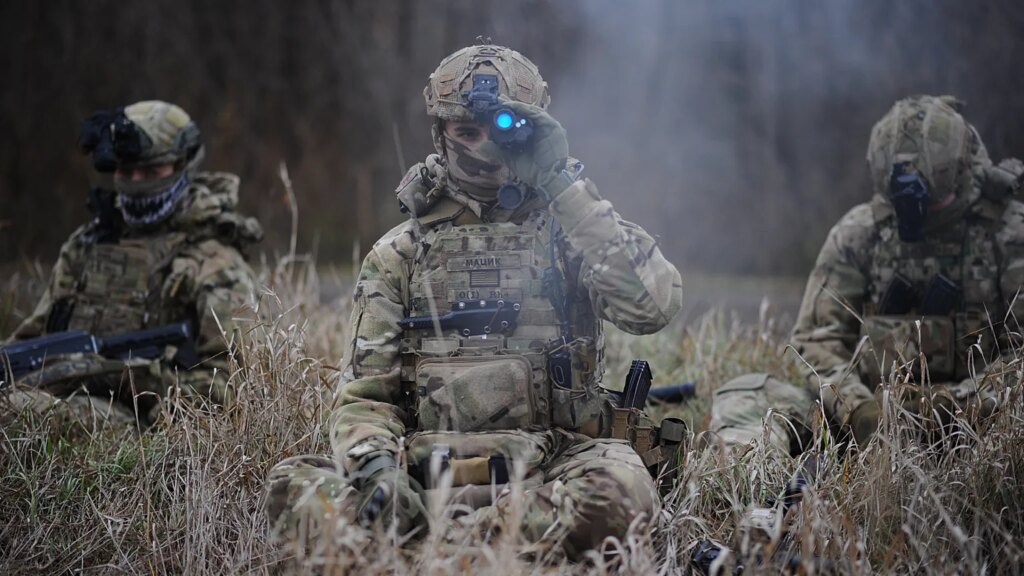
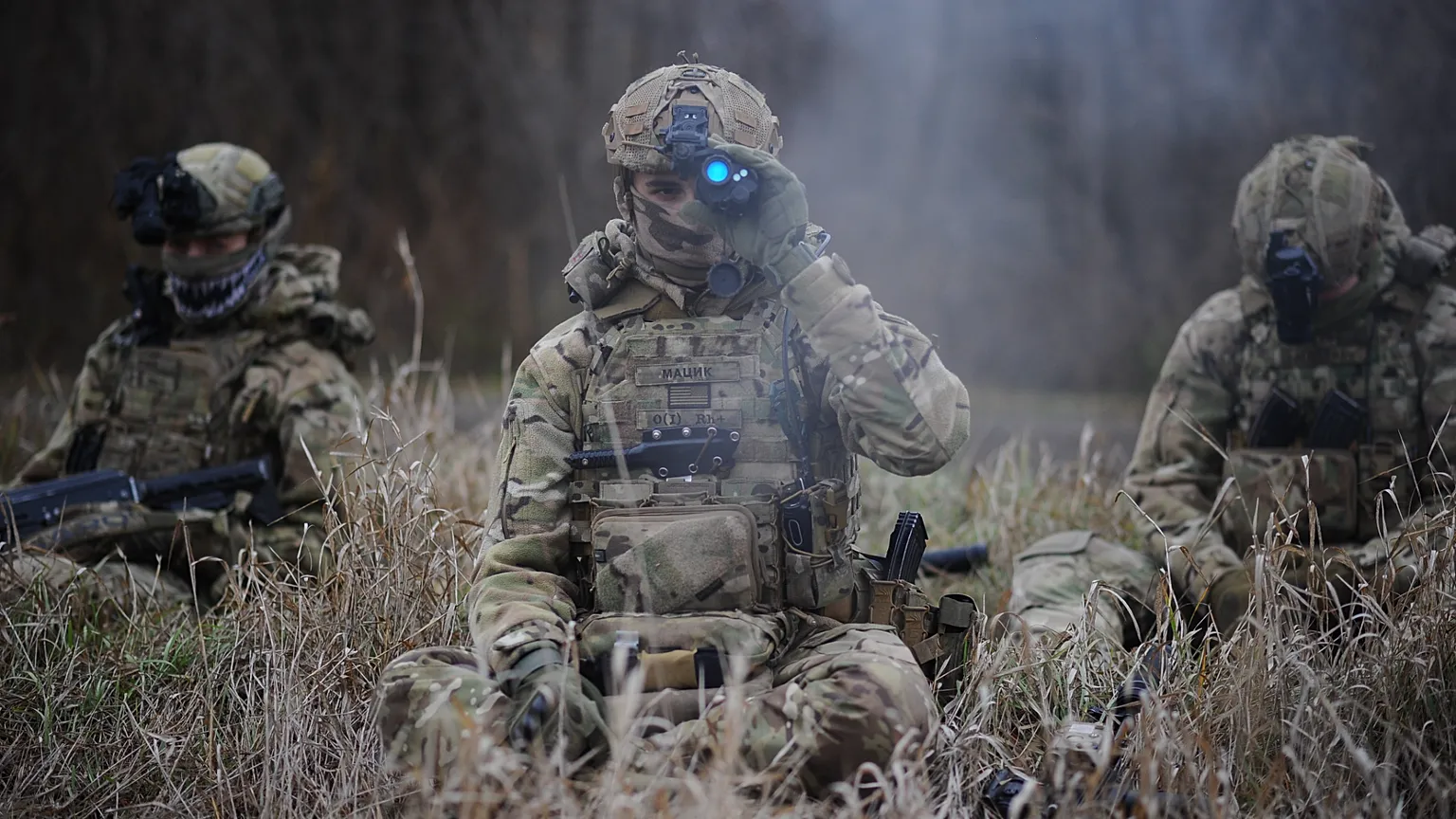
Are you prepared to defend Europe’s borders? As the risks of war increase, what steps is the European Union taking to ready itself for a potential military confrontation by 2026? Participate in our poll below.
Europe faces the threat of war emerging sooner than many anticipated.
On 11 December, NATO Secretary General Mark Rutte cautioned during a speech in Germany that Russia is intensifying its military campaign not only against Ukraine but across Europe.
“We need to brace ourselves for a level of warfare that our grandparents or great-grandparents experienced,” he declared.
At the 2025 NATO Summit held in The Hague last June, member nations committed to allocating 5% of their GDP annually to defence by 2035. The goal is to reinforce NATO’s military capabilities and prepare for potential conflicts, whether involving Russia or other threats.
Simultaneously, the European Union has already put in place measures aimed at bolstering defence and readiness, including the «Military Schengen» — the EU’s initiative designed to facilitate speedy movement of troops and military gear among member states by reducing bureaucratic obstacles — and the SAFE program, which promotes joint defence manufacturing and procurement through EU-backed financing.
On 11 December, the EU took a decisive step by indefinitely freezing Russian assets valued at €210 billion; €185 billion of these are held at Belgium’s Euroclear, while €25 billion resides in accounts across various other member states.
European Commission President Ursula von der Leyen praised this action on the same day, emphasizing the message it sends to Russia: «As long as this ruthless war of aggression persists, Russia’s costs will keep mounting.”
This measure demonstrates the EU’s effort to maintain influence at the negotiation table.
«This sends a strong signal to Ukraine: we want to ensure our courageous neighbour becomes better equipped both on the battlefield and in diplomatic negotiations,” von der Leyen added.
The €210 billion in assets can only be released with approval from a qualified majority of EU member states; no single country has the authority to unilaterally return them. Moreover, the assets’ release depends on Russia ceasing its military actions in Ukraine and agreeing to pay reparations — conditions that the Kremlin has so far rejected.
However, preparations by the EU and NATO represent only one aspect. Equally important is understanding how citizens across Europe perceive these developments.
Are you ready for war?
Your opinion matters: contribute your views and join the dialogue! Share your thoughts on the war in Europe, the strategic significance of protecting EU borders, and the readiness of European citizens for a potential conflict.
Our poll is anonymous and takes only a few seconds to complete. Results will be integrated across EU.XL’s coverage — via videos, articles, and newsletters — and will help guide our reporting on how Europe can defend itself against Russia and other threats by 2030.