
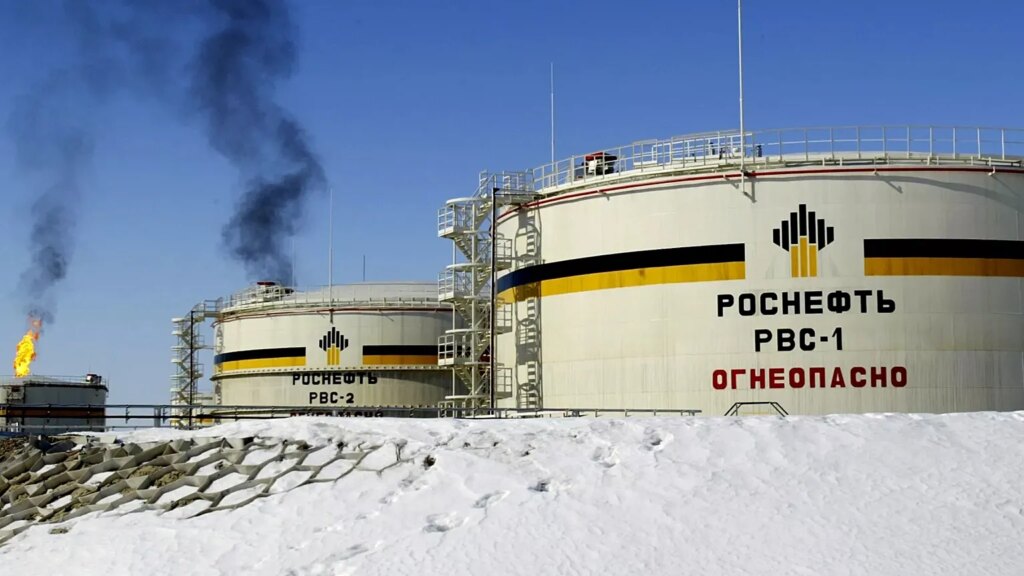
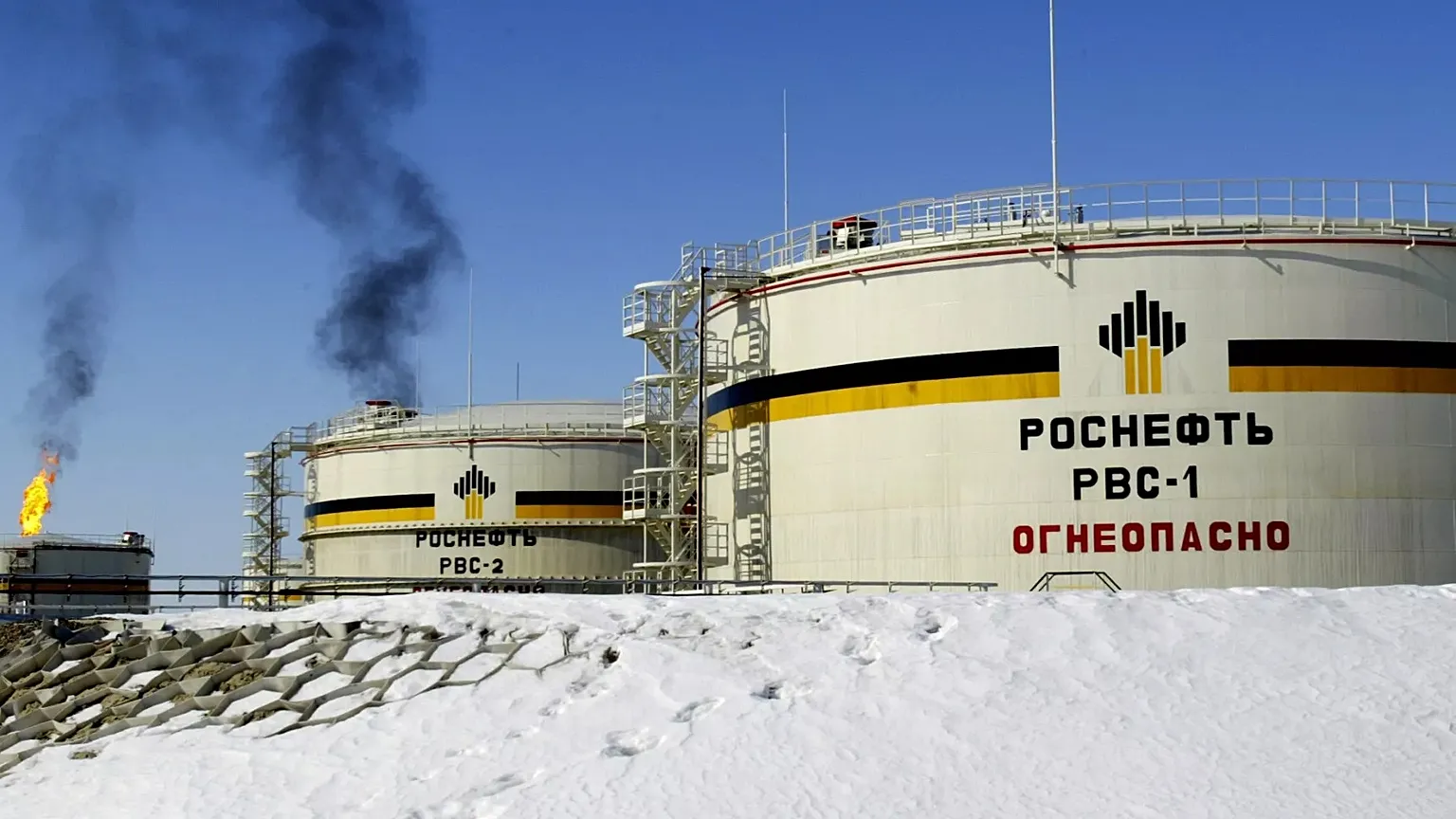
Orbán announced that he will meet with Trump next week to debate Hungary’s imports of Russian oil following the broad sanctions imposed by the US. Asked whether Trump’s tariffs on Russian oil were excessive, Orbán confirmed they were.
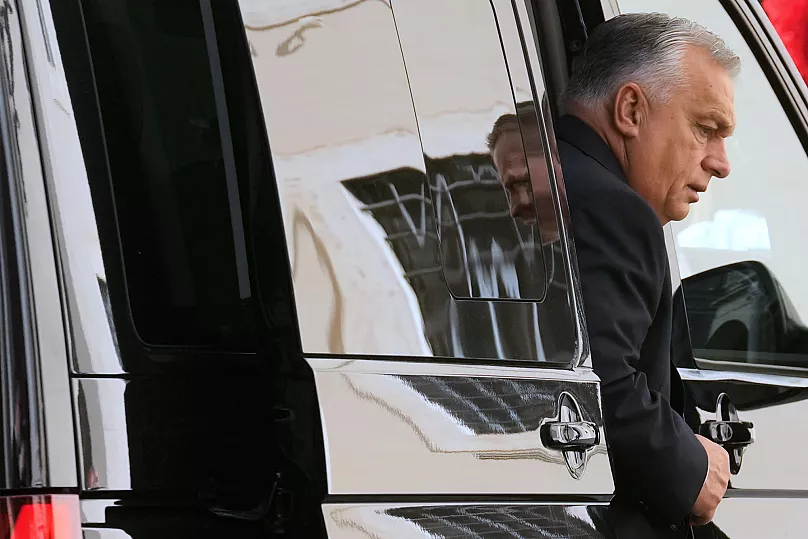
Hungarian Prime Minister Viktor Orbán indicated he plans to talk about the recent US sanctions on Russian oil with President Trump in Washington next week.
The United States imposed sanctions last week on Russia’s two biggest oil firms, Rosneft and Lukoil, with Rosneft also added to the EU blacklist.
«We are evaluating how to establish a resilient framework for Hungary’s economy, due to the country’s strong reliance on Russian oil and gas. In their absence, energy costs will soar, leading to shortages,» Orbán told the Italian newspaper La Repubblica during his visit to Rome.
When questioned if Trump overstepped by targeting Russia’s energy sector, Orbán agreed, adding Hungary will discover a solution to navigate the sanctions.
Being landlocked, Hungary sources the majority of its fossil fuels from Russia, despite ongoing pressure from the US and EU to reduce dependence on Moscow’s energy, a situation that has caused diplomatic friction.
Consequences of US sanctions
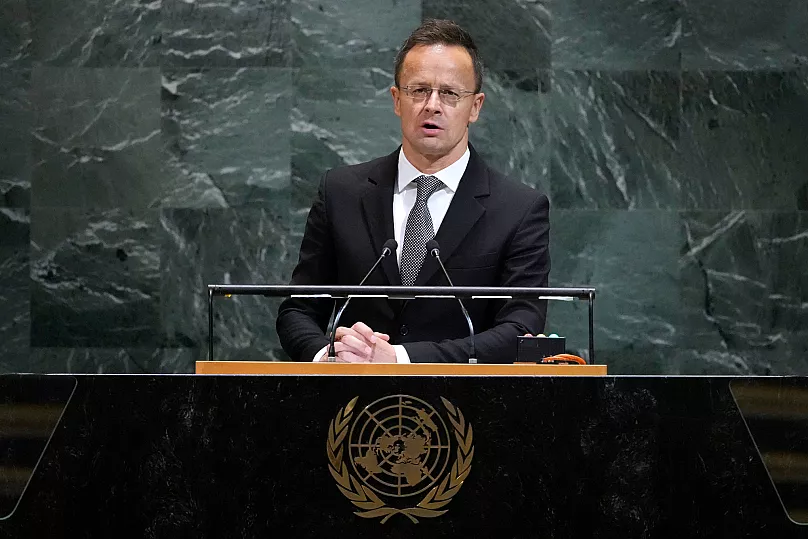
Hungarian Foreign Minister Péter Szijjártó stated that the government is reviewing the potential consequences of the sanctions, which the US intends to maintain until Russian President Vladimir Putin demonstrates a sincere readiness to negotiate a ceasefire in Ukraine.
«Regarding the American sanctions, since they have not yet come into effect, these restrictions have not caused any disruptions or complications concerning our energy imports from Russia,» Szijjártó commented during a press briefing in Budapest on Monday.
Meanwhile, the European Commission announced that the US sanctions do not currently threaten Europe’s supply security because member states are required to maintain oil reserves for 90 days.
«The decision from last week could have consequences, so we want to ensure member states are adequately prepared with contingency plans, and we are ready to assist,» spokesperson Anna-Kaisa Itkonen told reporters.
Increasing pressure on Slovakia and Hungary
Since Russia launched its full-scale invasion of Ukraine in 2022, the EU has endeavored to reduce its energy reliance on Russia.
In 2022, the bloc prohibited imports of Russian pipeline oil, except for Hungary and Slovakia, which received temporary exemptions. Although there is no ban yet on Russian pipeline gas, the EU intends to phase out all Russian fuel imports by the end of 2027.
Max Whitaker, US Ambassador to NATO, criticized Hungary on Fox News last Sunday for insufficient efforts to eliminate its dependence.
The US recently imposed sanctions on the Russian energy sector for the first time since the Ukraine conflict began.
“Unlike many neighboring countries, Hungary has not formulated tangible plans or taken concrete steps. We will collaborate with their neighbors, such as Croatia and others, who can assist in enabling a phase-out. The pipeline, namely Druzhba, is likely to be shut down in coming years,” Whitaker stated.
He added that Slovakia will also be required to present a plan to reduce its Russian energy dependence.
According to the Centre for the Study of Democracy, Hungary’s energy reliance on Russia has increased since the full-scale invasion began.
In 2022, 61% of Hungarian crude oil was imported from Russia. This year, that figure has climbed to 92%, while Slovakia maintains an almost total dependence on Russia for oil imports.