
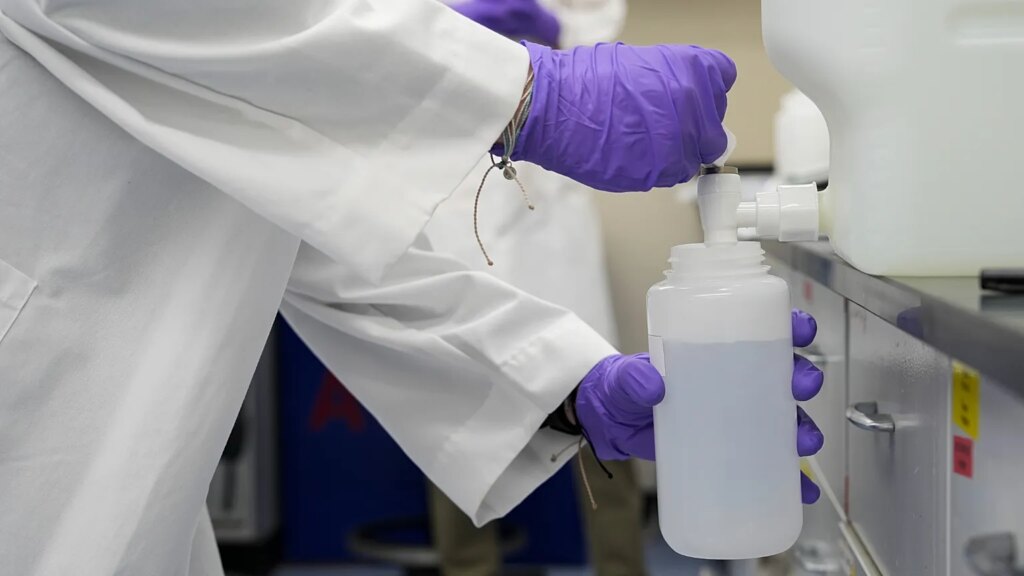
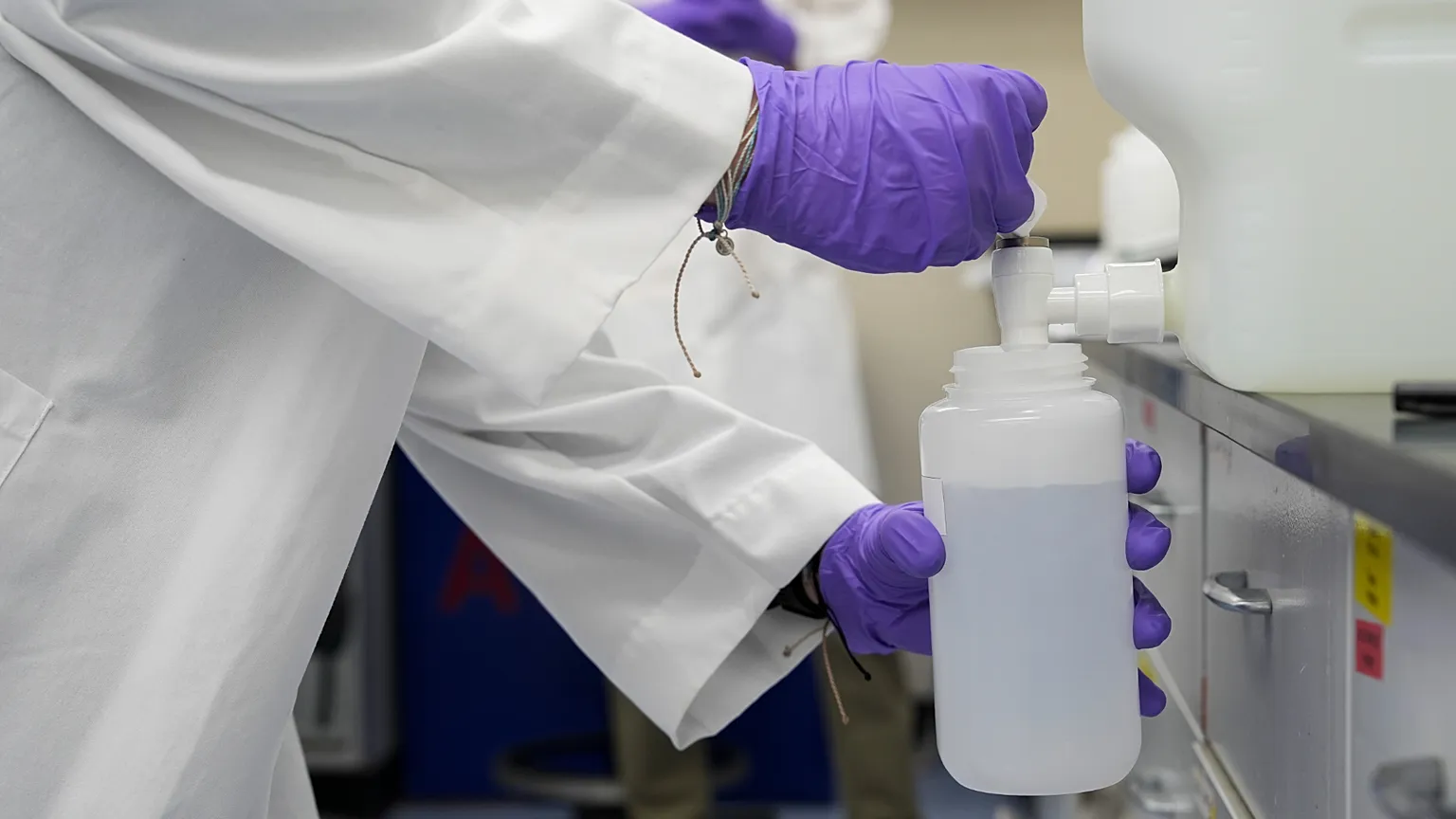
TFAS belong to a class of perfluoroalkyl and polyfluoroalkyl substances (PFAS), commonly called «forever chemicals» due to their persistence in the environment.
The European Union’s authority on food safety has lowered the safe daily exposure limit for trifluoroacetic acid (TFA), a widely detected «forever chemical» present in drinking water.
 ADVERTISEMENT
  ADVERTISEMENT
On Wednesday, the European Food Safety Authority (EFSA) declared that the acceptable daily intake value had been revised downward from 0.05 to 0.014 milligrams per kilogram of body weight.
This adjustment is grounded in new research demonstrating that TFA impacts thyroxine levels — a hormone generated by the thyroid gland that is crucial for bodily regulation — along with other effects.
TFAS are classified as perfluoroalkyl and polyfluoroalkyl substances (PFAS), substances recognized as «forever chemicals» given their environmental longevity.
They are incorporated into diverse items ranging from kitchenware and medical instruments to defence gear and clean energy technology. However, their application may pose hazards to humans and ecosystems, including animal species.
According to EFSA, TFA forms when PFAS compounds degrade, including from certain pesticide active ingredients. This TFA can subsequently contaminate groundwater, soils, and agricultural crops, the agency reports.
EU countries are mandated to monitor PFAS presence in drinking water, while additional surveillance programs oversee PFAS concentrations in foodstuffs.
The EFSA also indicated that, in collaboration with the European Chemicals Agency, it continues to study PFAS breakdown into TFA, as well as its environmental behaviour and persistence in soil and water, aiming to complete these investigations by next summer.