
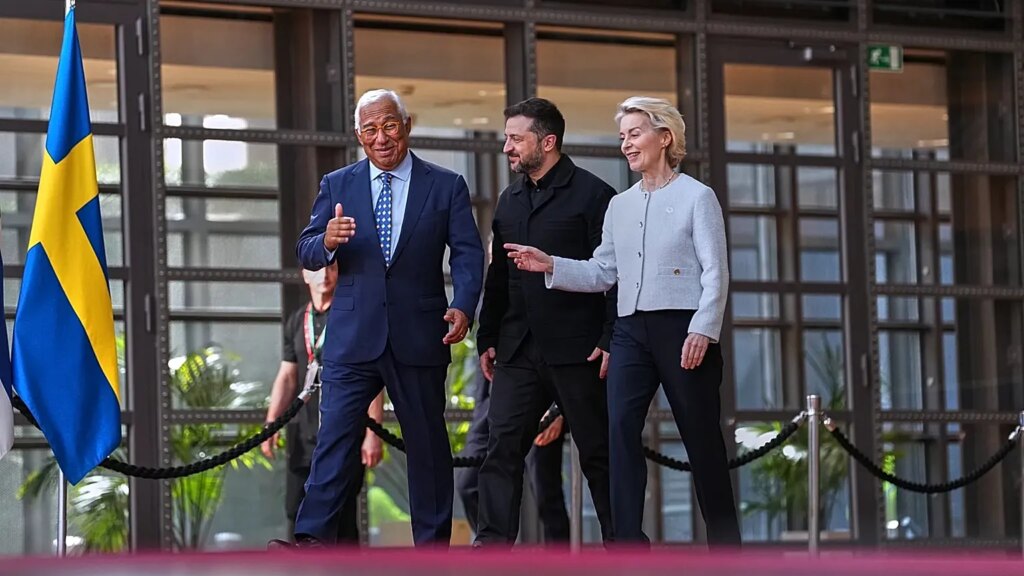
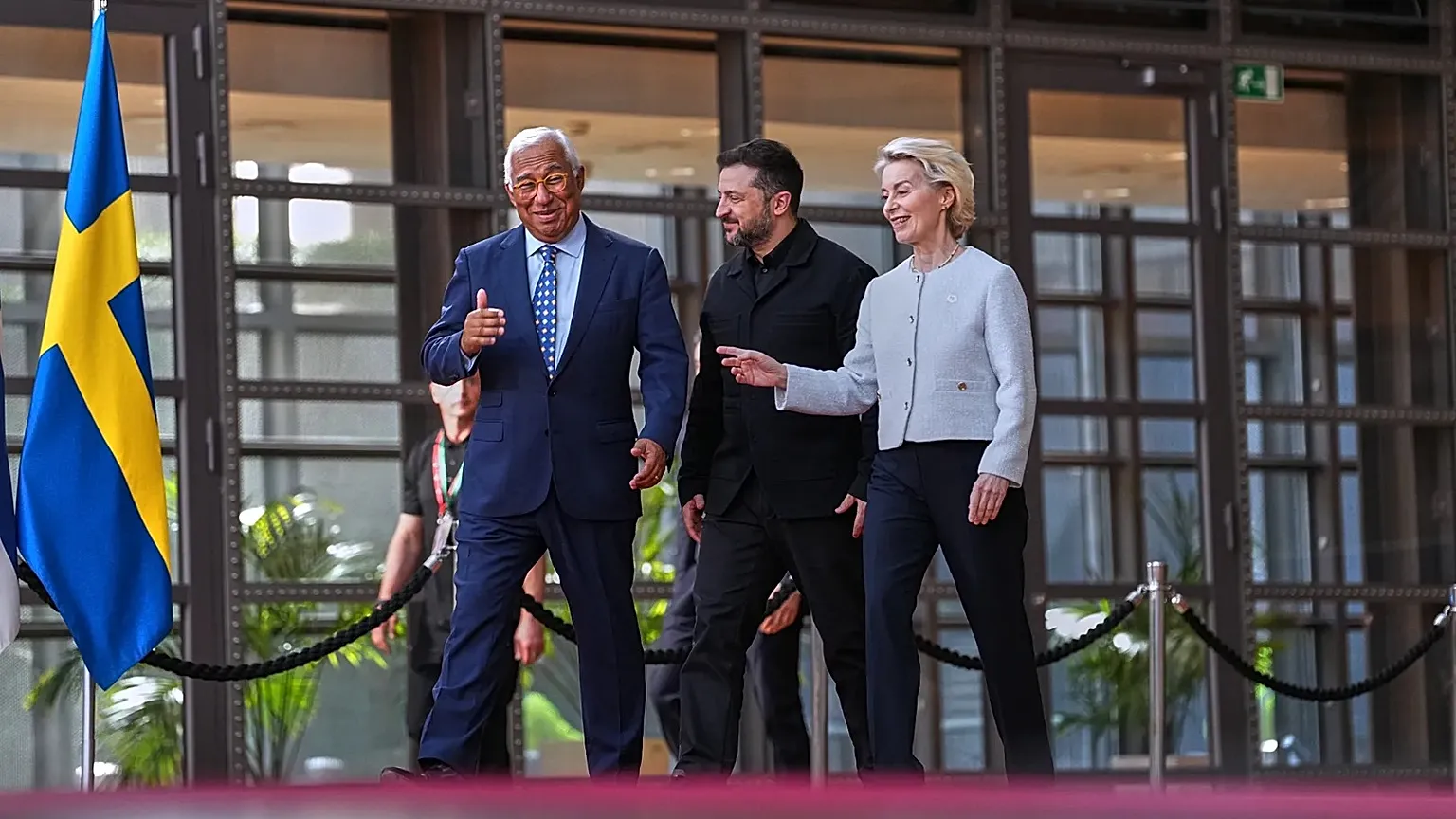
During Tuesday’s meeting in Brussels, ministers approved the initiation of a new segment of Ukraine’s EU accession talks, marking progress against a two-year stalemate caused by the former Hungarian Prime Minister Viktor Orbán.
The goal of Ukraine joining the European Union moved a step closer on Tuesday when EU affairs ministers officially sanctioned the launch of Cluster 6.
 ADVERTISEMENT
  ADVERTISEMENT
Following the announcement, Irish Minister of State Thomas Byrne stated, “We have today reached an important milestone in Ukraine’s EU membership process by unlocking an additional critical negotiation cluster.”
“This reflects the country’s dedication to advancing as swiftly as feasible.”
With Ireland holding the rotating EU Council Presidency, it represents all 27 member states during these deliberations.
Cluster 6 covers external relations and stands as a fundamental theme in the EU accession negotiation framework. Up to now, only Cluster 1, addressing foundational issues and rule of law, had been activated for Ukraine.
Additionally, Cluster 6 is scheduled to be opened for Moldova on Tuesday as well, since both nations’ paths toward EU membership are interconnected.
Several accession chapters, which are subdivisions of clusters, are anticipated to be finalized for Western Balkan leaders Albania and Montenegro in an event dubbed “Super Tuesday” for EU enlargement.
Prior to Tuesday’s meeting, European Commissioner for Enlargement Marta Kos emphasized that “the current momentum must now translate into tangible outcomes.”
Resolving the deadlock
Following Russia’s full-scale invasion in 2022, Ukraine and Moldova submitted their applications for EU membership, each aiming to strengthen their security and defence capabilities against Russian aggression.
The announcement of additional clusters opening for Ukraine brings an end to a two-year political impasse driven by former Hungarian Prime Minister Viktor Orbán, who had frequently used his council vote to block progress.
Orbán’s hold on Kyiv’s accession efforts stemmed from disputes over the treatment of the Hungarian minority in western Ukraine.
Since Orbán was displaced by rival Péter Magyar in Hungary’s recent parliamentary elections, Ukraine and Moldova have seen steady advancement in their EU bids, highlighted by the opening of Cluster 1 in June.
This progress followed the new Hungarian administration’s cooperation with Ukrainian authorities to address the minority concerns.
The European Commission regards both countries as technically prepared to activate all clusters, leaving the subsequent decisions to the judgment of the bloc’s 27 member governments.