
Xi Jinping has hosted a series of global leaders recently, including Donald Trump and Vladimir Putin.
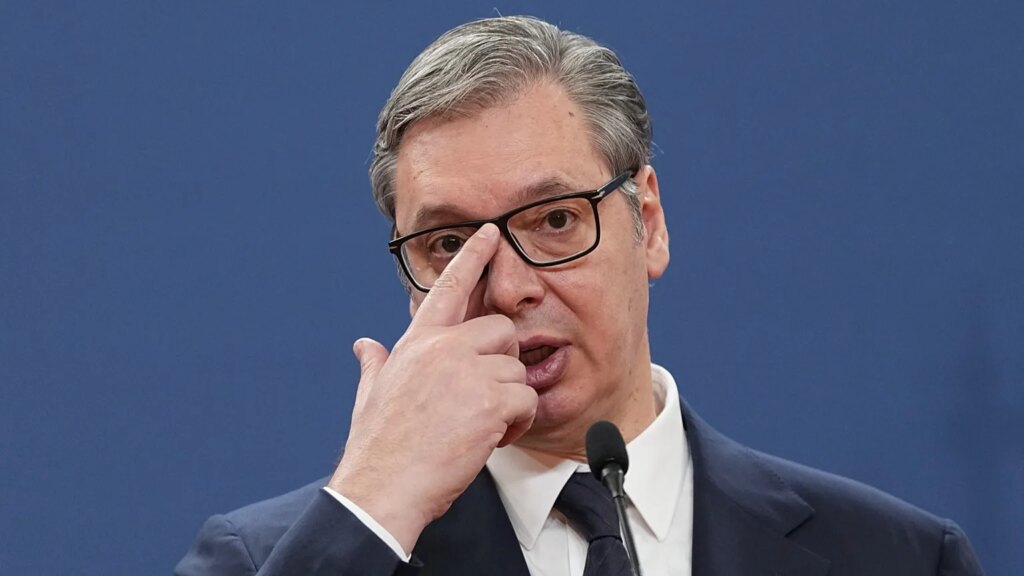
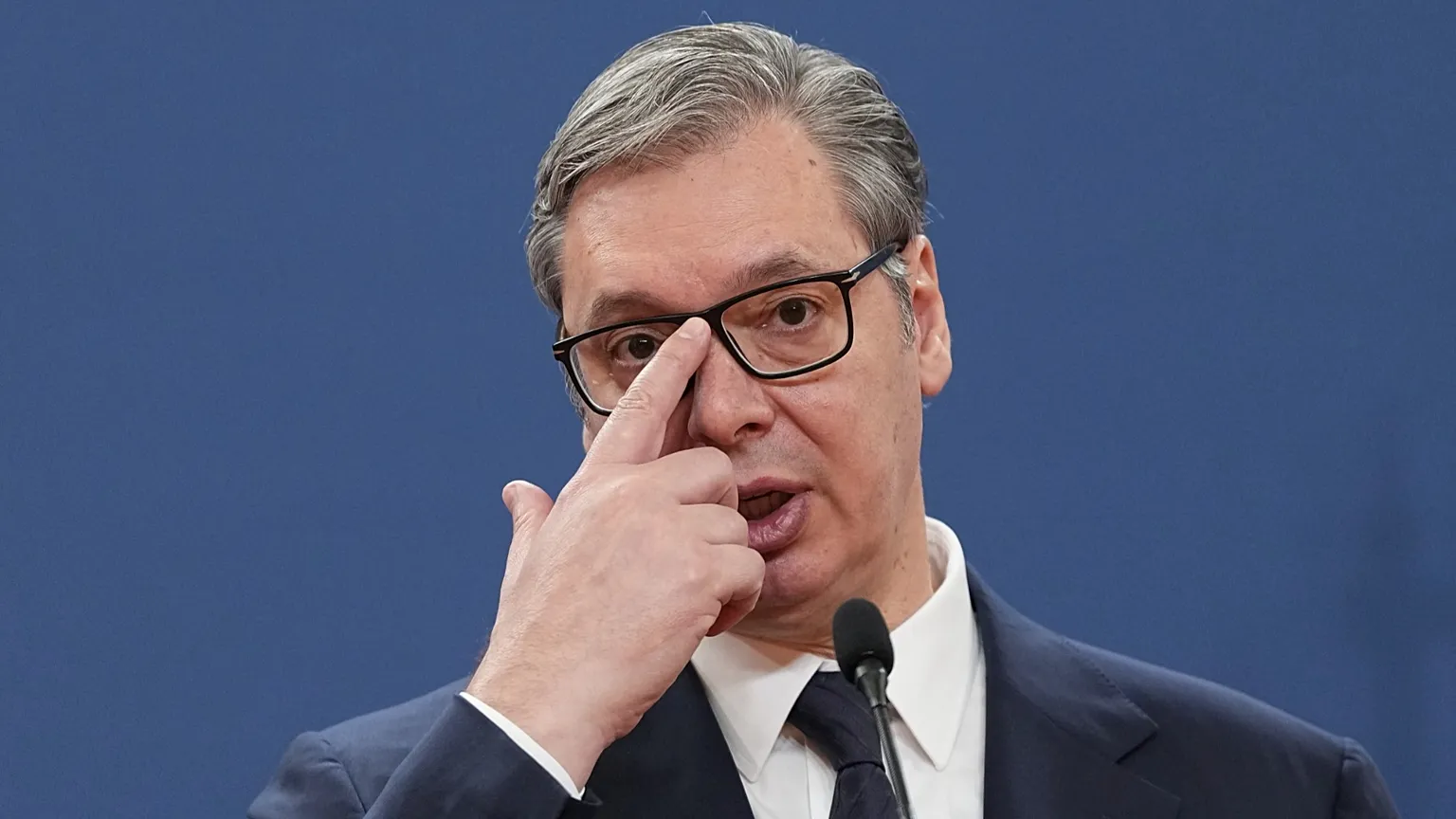
During his visit to meet Chinese President Xi Jinping, Serbian President Aleksandar Vučić adopted a resolute stance, criticizing alleged attempts by European entities to hinder the development of relations with Serbia’s primary foreign investor.
 ADVERTISEMENT
  ADVERTISEMENT
Upon arriving in Beijing, Vučić voiced concerns that the EU is attempting to «impose» Serbian foreign policy by requesting he avoid direct discussions with Moscow.
«It would be simpler if they just provided me a list indicating whom I am permitted to engage with and whom I am not,» he stated during a press briefing. «If that’s the case, why do we even need a president or a government?»
«Serbia remains a sovereign, autonomous, and independent nation and will continue to act according to its national interests.»
Earlier in 2024, Xi Jinping visited Serbia to mark the two nations’ free trade agreement. As the largest investor in Serbia, China committed to reduce tariffs on nearly all Serbian exports over the coming decade.
Serbia, which has been an EU candidate since 2009, faces challenges in its accession talks due to the Vučić administration’s close ties with Beijing, raising concerns in Brussels about admitting a member state with deeper China connections than other EU countries.
The 2024 free trade agreement coincided with the EU’s efforts to increase restrictions on imports of Chinese electric vehicles to safeguard its internal market, a policy that has intensified in the past two years.
Xi takes centre stage
Vučić’s visit follows a sequence of prominent meetings Xi held, including hostings of US President Donald Trump and Russian President Vladimir Putin.
Xi’s discussions with Trump aimed to alleviate ongoing trade conflicts fueled since Trump’s second term began.
Following this visit, a milestone was announced: the establishment of a trade council designed to create «a framework arrangement for reciprocal tariff reductions on products of equivalent scale,» potentially easing or removing tariffs on goods valued at approximately $30 billion.
During Putin’s visit, the two leaders signed a joint declaration to enhance military collaboration, undermining European hopes that China might scale back support for the Kremlin amid its full-scale invasion of Ukraine.
Xi referred to Putin as a «dear friend,» and their agreement emphasized an «unyielding» partnership, promising sustained «good-neighbourliness and friendly cooperation» between their countries.