
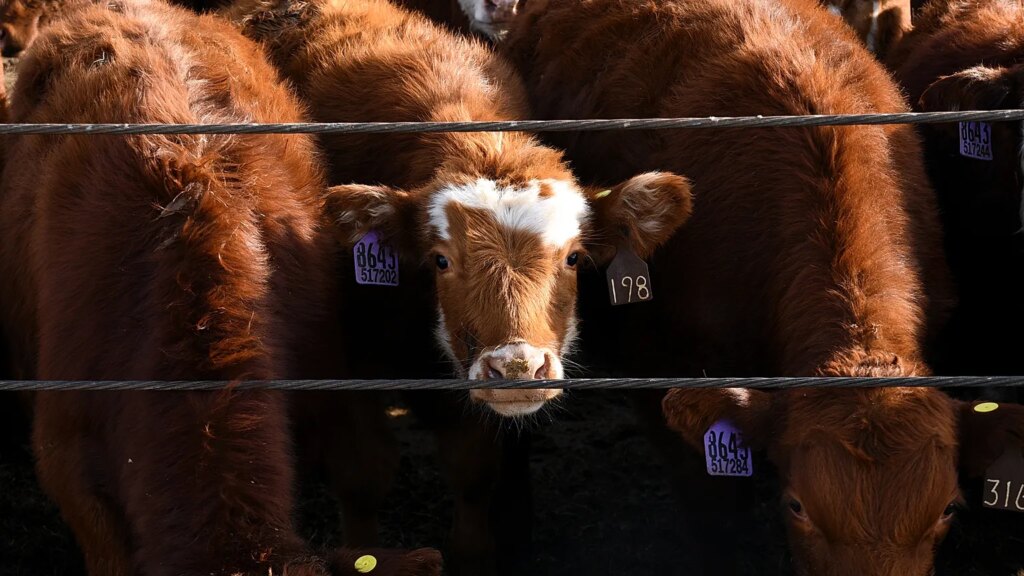
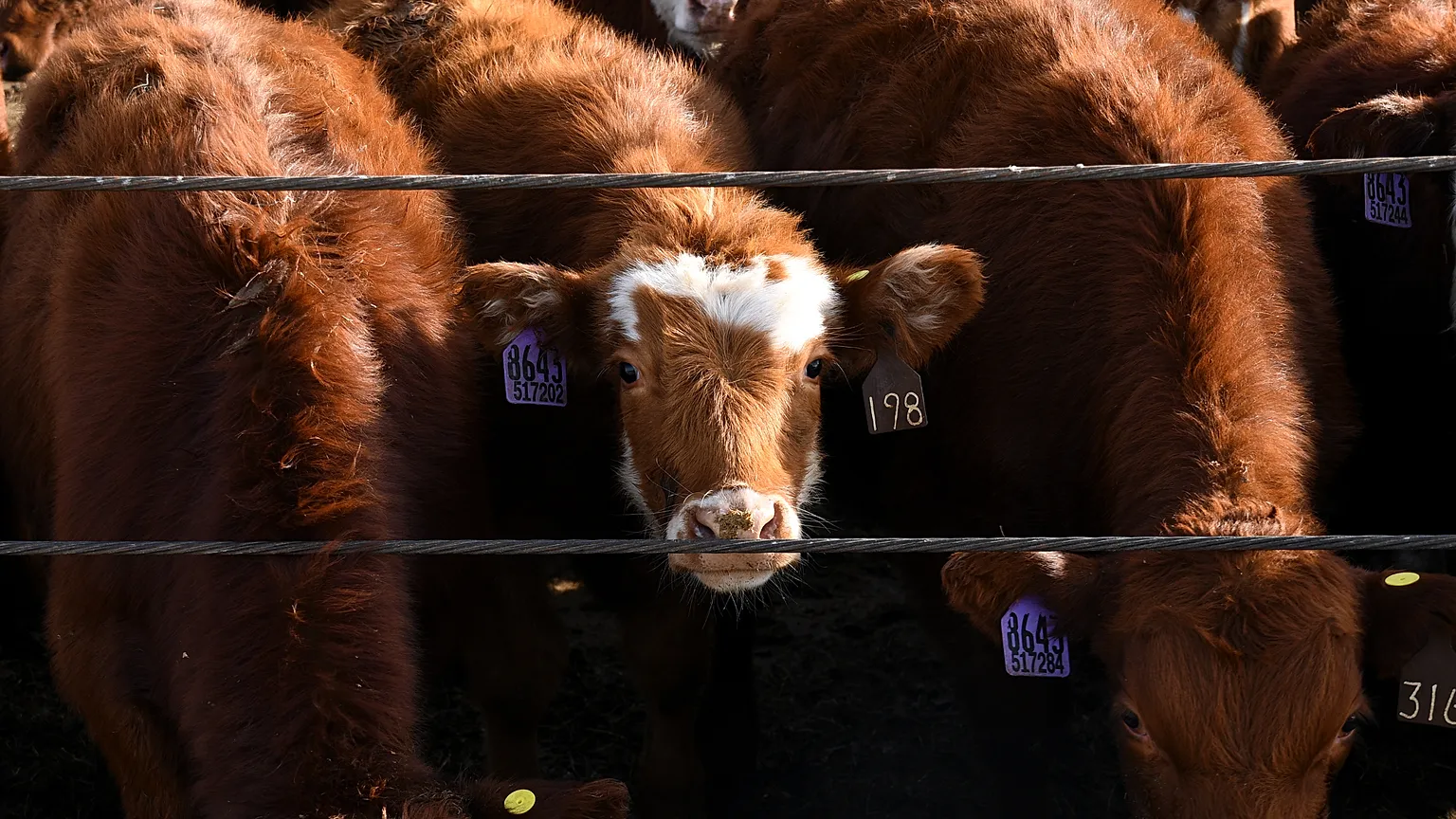
The theft of livestock is emerging as a significant issue in German agriculture, with reports of entire herds vanishing overnight. Beyond the financial damages, these crimes also leave a deep emotional toll on farmers. Authorities suspect that organised foreign gangs are behind these incidents.
On Friday morning, a farmer from Raddusch in the Oberspreewald-Lausitz district informed police that his pasture had been emptied of 48 cattle. The estimated financial loss amounts to approximately 75,000 euros.
 ADVERTISEMENT
  ADVERTISEMENT
Only two weeks earlier, unidentified individuals had stolen 74 cattle near Herzberg in Brandenburg’s Elbe-Elster district. At the scene, investigators discovered tracks left by lorries.
In another incident in April at Falkenberg, also in the Elbe-Elster district, 69 calves were taken from a breeding farm. The criminals apparently accessed the property via a remote entry point with what is believed to be a 40-tonne articulated lorry, which they drove right up to the barn entrance. There, they selectively gathered female calves aged three to six months old, loading all 69 onto the vehicle.
Police point to organised criminal groups
Livestock theft in Germany—including sheep, cattle, geese, and even bee colonies—is increasingly recognized as a serious concern.
Available data indicates a rise in offences, particularly in eastern Germany, where organised groups appear to be targeting large herds. Brandenburg is currently identified as a hotspot for these crimes.
Investigators believe many perpetrators operate as well-organized gangs conducting their actions during nighttime. To hide the origin of the animals, ear tags are either removed or substituted with counterfeit identifiers.
There are also indications in some cases that sedatives might be administered to keep animals calm while being loaded onto vehicles.
“Farm crime” imposes growing pressure on farmers
Rural crime, now often grouped under the term “farm crime,” is on the rise. Besides livestock theft, criminals are increasingly targeting expensive farming machinery and tractor GPS systems.
While states like Lower Saxony and Mecklenburg-Western Pomerania report increasing incident numbers, regions such as Schleswig-Holstein have seen a slight reduction, though from previously high levels. In November of the previous year, NDR aired a report titled “Tatort Bauernhof: Diebstahl auf dem Land” (“Crime scene farm: theft in the countryside”), revealing that more than half of farmers in northern Germany have experienced thefts involving not only animals but also harvests and agricultural equipment.
Farmers are growing uneasy
In response, many agricultural operations have enhanced their security measures. These include installing video cameras, improving barn lighting, and creating digital alert networks among farmers—such as regional WhatsApp groups—to share timely information about suspicious activities and prevent thefts.
Since livestock in Germany is centrally registered, law enforcement suspects that a significant portion of stolen animals are transported to Eastern European countries or outside the EU. Animal transports are supposed to undergo checks at border crossings, but there is a possibility that smugglers use closed lorries without livestock transport permits to move the animals illegally.
According to the federal government, there is no comprehensive official statistic tracking all incidents or crime locations involving farm animal theft. The reason lies in the legal classification of animals as “property” in Germany, causing such thefts to be categorized in crime statistics under general property theft.