
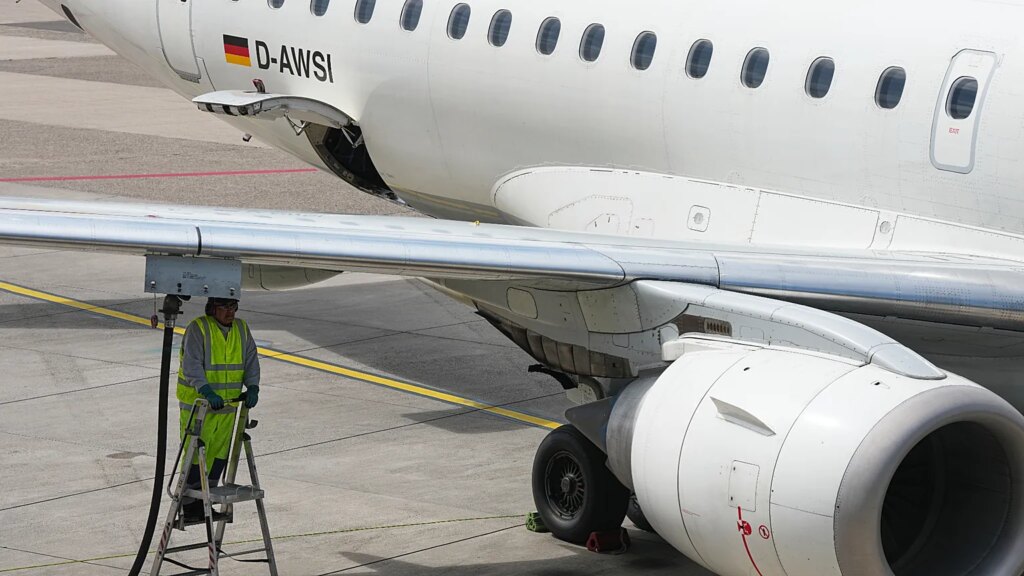
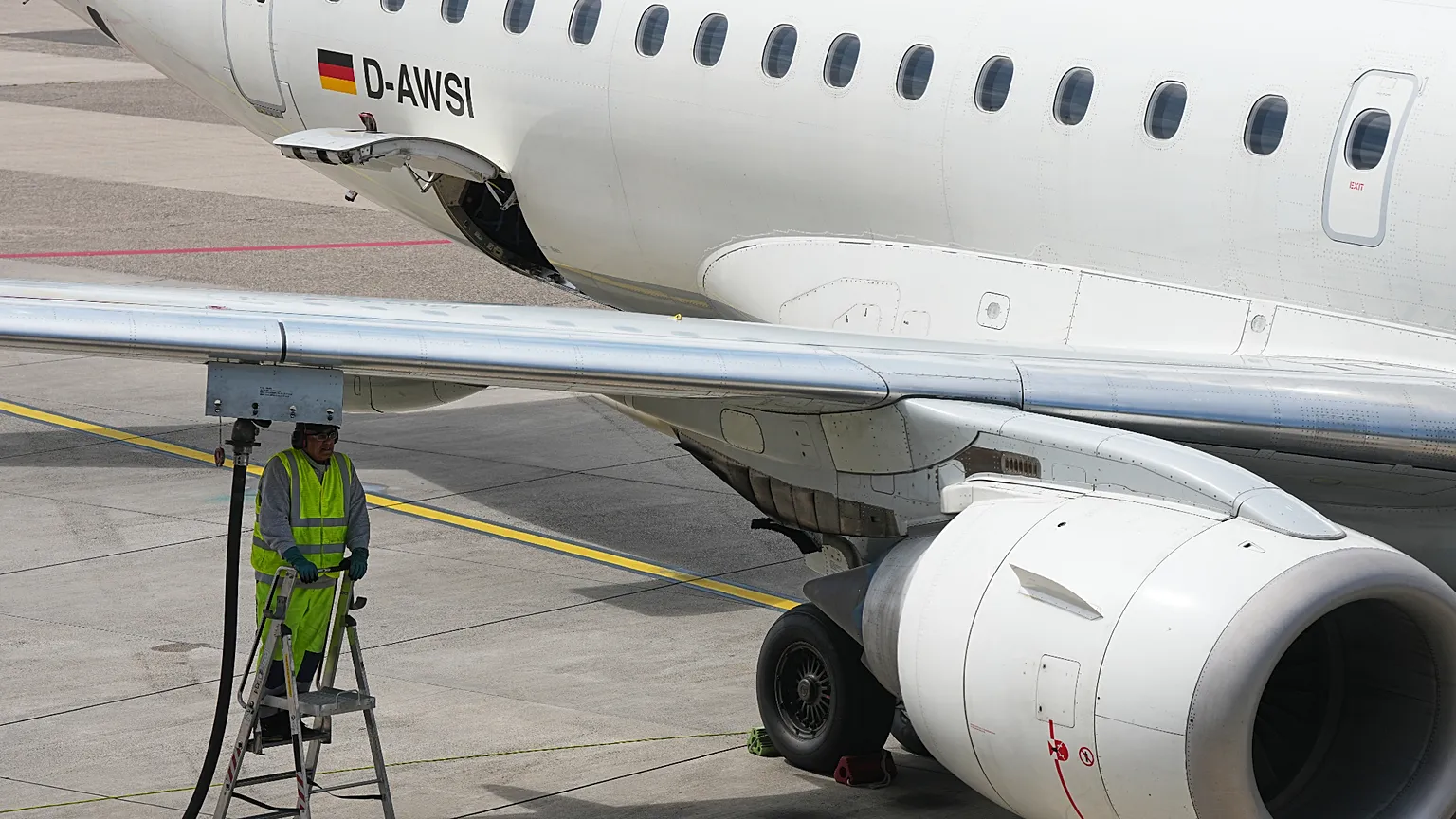
Potential shortages of jet fuel linked to the conflict in Iran might compel airlines and airports to switch fuel types, increasing operational and safety concerns.
The European Union Aviation Safety Agency (EASA) issued a warning on Friday regarding Europe’s aviation sector: looming deficits in domestic aviation fuel could push airports and airlines to operate using alternative fuel types across various regions — a situation that demands stricter safety protocols.
 ADVERTISEMENT
  ADVERTISEMENT
This alert followed reports from European carriers anticipating fuel shortages within a matter of weeks if disruptions in the Middle East continue. Consequently, the EU is exploring contingency measures, including increased imports of jet fuel from the United States, where a different fuel standard is used compared to Europe.
The core of the impending transition lies in a subtle but crucial technical difference: Jet A-1 — the primary aviation turbine fuel used in Europe, Africa, Australia, and much of Asia — has a lower freezing point than Jet A, which is more common in the United States and Canada.
Although both fuels are certified for numerous aircraft types, EASA points out that European infrastructure, operational procedures, and crew training have been largely tailored to Jet A-1 fuel specifically.
The EU aviation authority’s guidance does not enforce mandatory regulations but serves as a coordinated alert to airlines, airports, fuel providers, and regulatory bodies that the changeover carries potential operational and human-factor hazards if it is not meticulously managed.
EASA highlights caution during fuel type transition
While EASA acknowledges no significant safety issues with Jet A fuel itself, citing its routine use in North America, the regulator expresses concern over potential errors in a period when both fuel types might be in use simultaneously. In particular, confusion may arise if flight crews, fuel handlers, or electronic dispatch systems assume aircraft have been fueled with Jet A-1 when, in fact, they have received Jet A.
Such misjudgments could have «serious operational consequences,» EASA notes, especially by narrowing safety buffers during extended, high-altitude flights in cold environments.
Moreover, incorrect information about the fuel’s characteristics might lead crews to underestimate temperature limitations, postpone necessary contingency actions, or operate outside safe thresholds.
Human factors remain a central concern throughout the document. The agency repeatedly warns against oversimplifying the notion that “jet fuel is jet fuel,” emphasizing that inadequate training or poor clarity regarding fuel grades could result in dangerous assumptions by both pilots and ground personnel.
Recommendations from the EU aviation authority
In light of these challenges, EASA has issued comprehensive recommendations spanning the entire aviation fuel supply chain.
Fuel distributors are encouraged to maintain handling and safety standards for Jet A as closely aligned to existing Jet A-1 protocols as possible, including ensuring traceability of fuel batches. Airports are advised to clearly mark fuel grades, communicate any changes openly, and synchronize transitions among all onsite fuel suppliers.
Airlines should reassess their crew training programs, dispatch procedures, flight planning practices, and contingency plans associated with Jet A fuel operations. Furthermore, operators are urged to inform flight crews whenever airports traditionally providing Jet A-1 begin offering Jet A instead.
Aircraft manufacturers have been requested to re-evaluate how mixed Jet A and Jet A-1 fuel blends behave inside fuel tanks, focusing on freezing point behavior and alert thresholds.
Despite the gravity of these warnings, EASA emphasized that no new legislation or emergency operational directives are required at this time. The guidelines are presented as a precautionary, temporary response to dynamic market developments.
The agency expects to update or withdraw this guidance before the upcoming winter season, contingent on how fuel supply conditions evolve.