
Although the Commission regards the new tariffs as “unwarranted,” it confirmed that its main aim is to keep duties on EU products below the 15% limit established by the EU-US trade agreement signed in July 2025.
The European Union is prepared to accept the upcoming tariffs that the United States plans to implement in the near future concerning forced labour, provided they stay within the 15 percent ceiling agreed under the Turnberry agreement, announced the European Commission.
 ADVERTISEMENT
  ADVERTISEMENT
Earlier in June, the White House announced plans to apply new duties on its international trade partners, citing inadequate action to reduce trade in goods made using forced labour as detrimental to US economic interests.
The current US tariff framework will expire on Friday, and US Trade Representative Jamieson Greer confirmed on Tuesday that the introduction of forced labour tariffs is imminent.
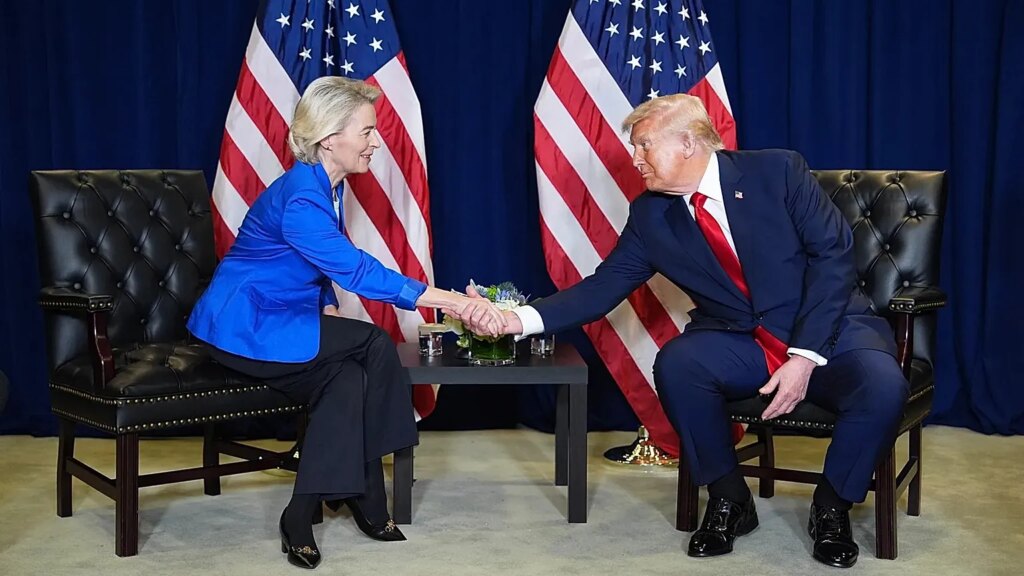
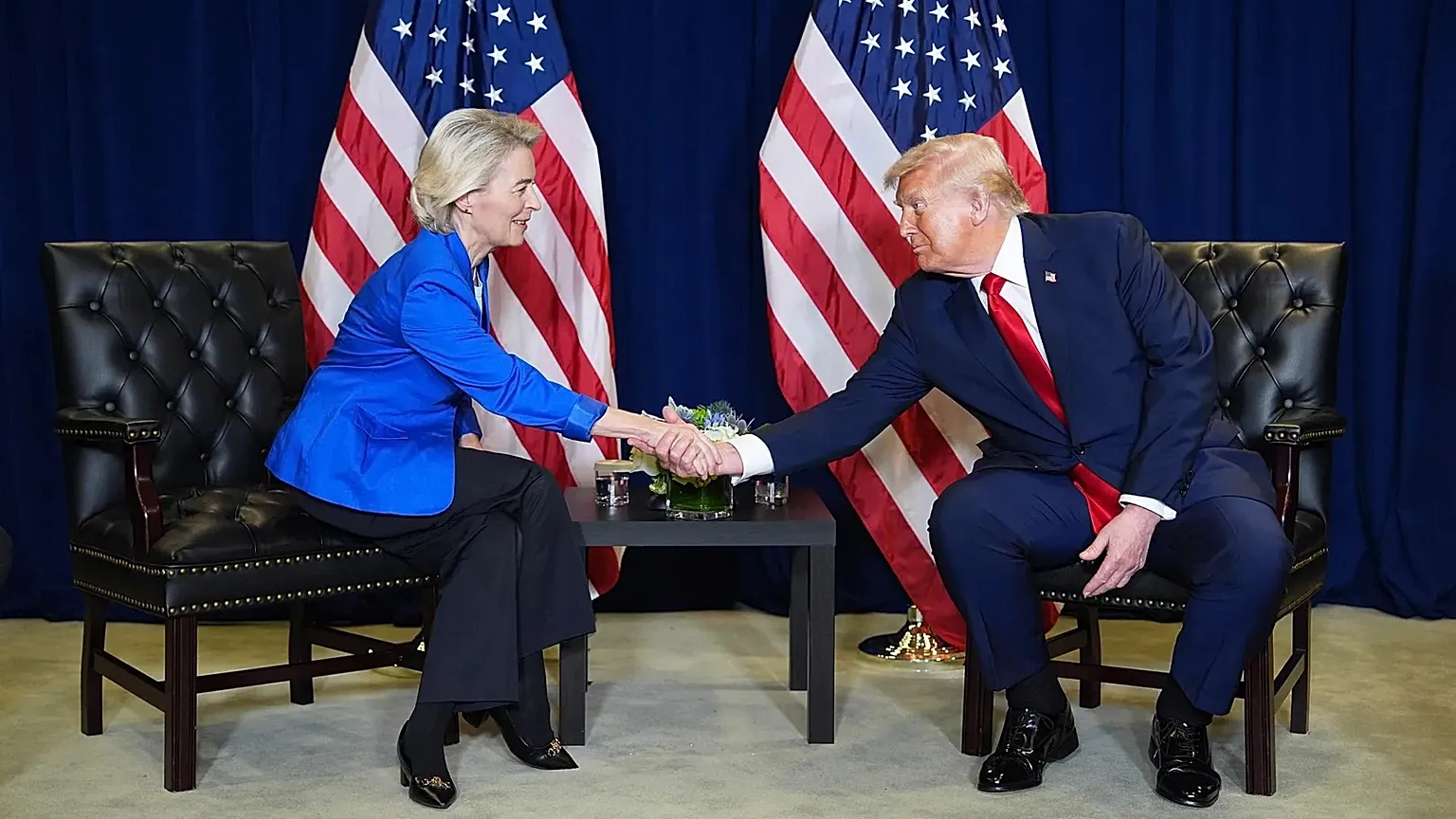
Officials from Europe are attentively tracking the extent of these new tariffs, in light of the EU-US trade pact signed in July 2025 in Turnberry, Scotland, by US President Donald Trump and Commission President Ursula von der Leyen, which caps US tariffs on EU products at 15 percent.
“Naturally, we dispute the conclusions regarding forced labour and have clearly communicated this to our United States counterparts,” stated an EU senior official.
“Nonetheless, the primary goal remains ensuring the agreement is upheld so that our companies can rely on the stability and predictability established therein.”
EU regulations on forced labour
In February, the Trump administration imposed 10 percent tariffs on its global trade partners following a US Supreme Court ruling that found its 2025 tariffs unlawful. When combined with the existing Most-Favoured-Nation duties, these tariffs currently place the EU’s average duty close to the 15 percent limit set by the Turnberry agreement.
Yet, the current US legal framework for these tariffs limits their existence to no more than 150 days—up to 24 July—unless Congress sanctions an extension, which is deemed improbable before the US midterm elections.
In an attempt to replace the existing regime, the US Trade Department has launched an investigation under Section 301 of the Trade Act of 1974 concerning forced labour in global supply chains, expected to conclude soon.
“We anticipate action shortly,” Greer stated on CNBC Tuesday. “I cannot specify a precise timeline at this moment—I must brief Congress and other stakeholders ahead of any disclosure. However, action on this matter is expected soon.”
In early June, the Commission stood by its policies, affirming strict regulations against products manufactured with forced labour.
“The EU regards tariffs imposed on these grounds as unjustified,” said Olof Gill, the Commission’s deputy chief spokesperson.
Nonetheless, the Commission seems to accept that the best course of action is to ensure compliance with the Turnberry agreement.
After Trump also warned on Tuesday about enforcing 100 percent tariffs on generic medicines imported into the US within two years, escalating to 200 percent the following year, a Commission spokesperson clarified on Wednesday that these pharmaceuticals are excluded under the EU-US deal.
“The US Section 232 Proclamation dated 2 April reconfirmed this commitment, and the expectation is that the US will continue to honor this pledge,” the spokesperson added.