
Good morning, readers. This is Mared Gwyn. In this Tuesday morning newsletter: the final push to get fresh sanctions on Russia over the line, exclusive lines from an interview with the Bulgarian Foreign Minister, and another packed day of enlargement talks.
Good morning, readers. This is Mared Gwyn. On this Tuesday morning, the newsletter covers the last efforts to finalize fresh sanctions against Russia, exclusive excerpts from an interview with Bulgaria’s Foreign Minister, and a busy day filled with enlargement negotiations.
 ADVERTISEMENT
  ADVERTISEMENT
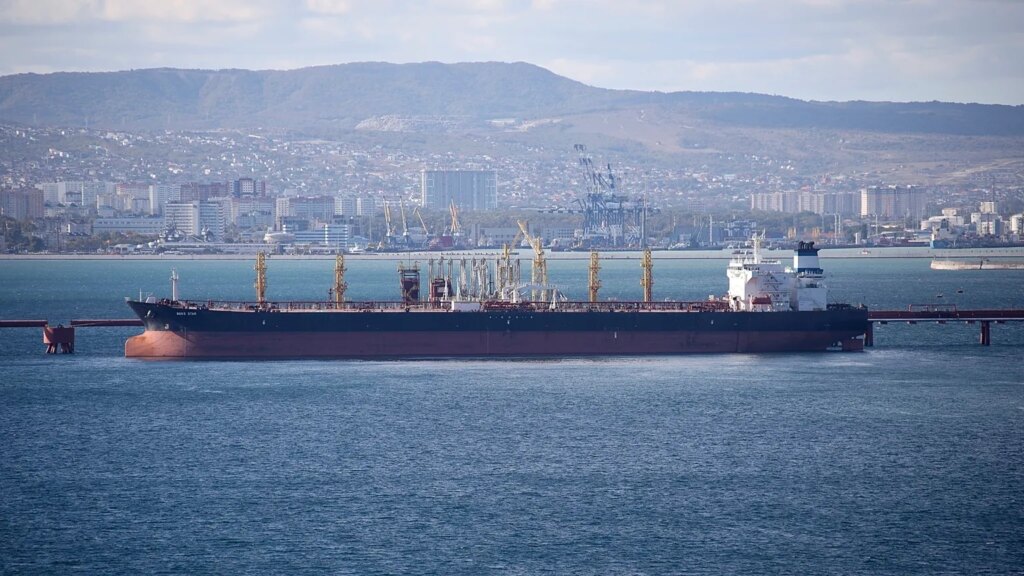
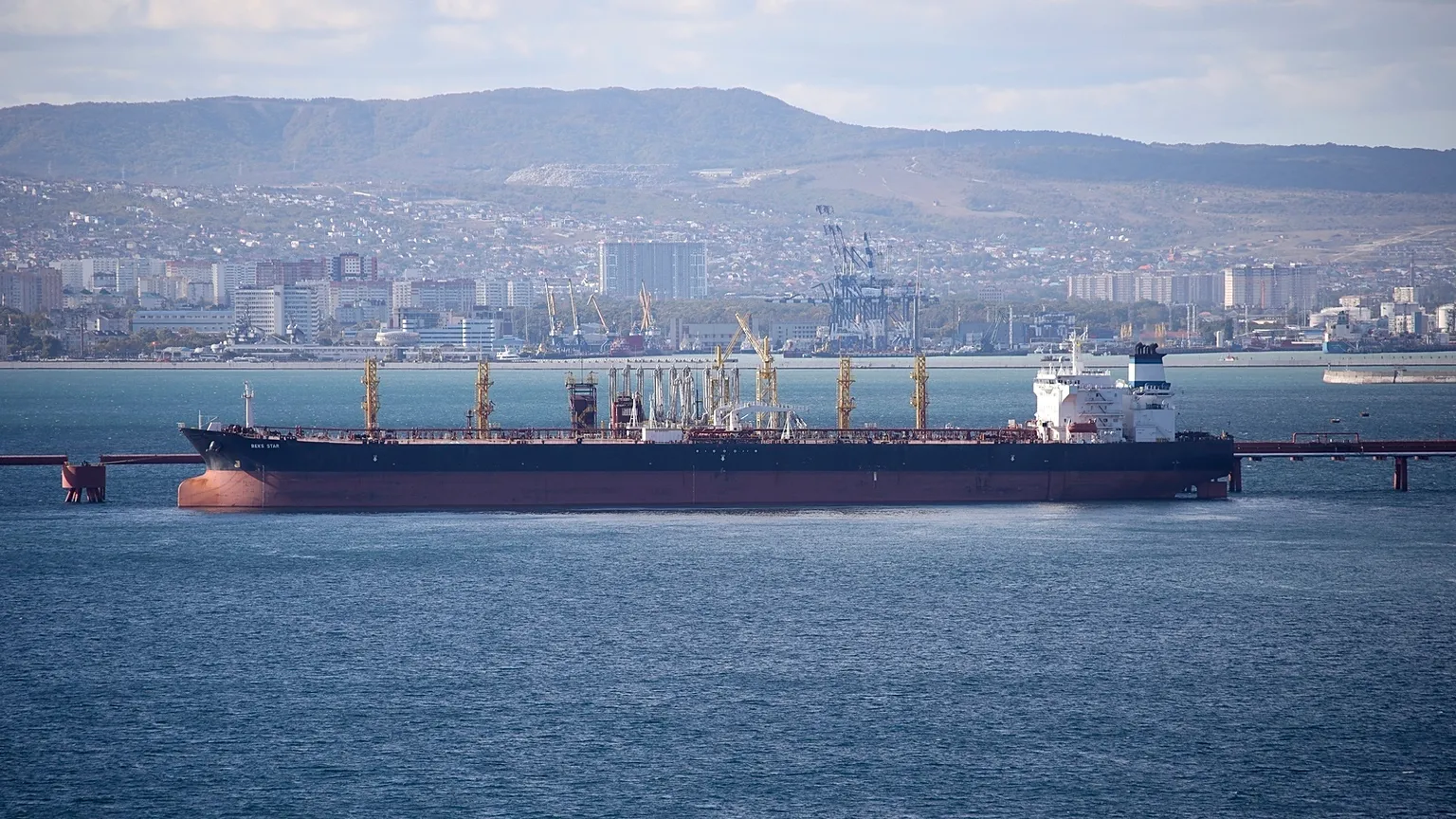
Final push for deal: According to my colleague Jorge Liboreiro, the EU is racing to complete the 21st sanctions package on Russia after yesterday’s Brussels foreign ministers’ meeting failed to achieve a breakthrough. The responsibility now lies with ambassadors, who will reconvene today at 16:00, just hours before the 15 July deadline. Without an agreement, the Russian oil price cap will increase from €44 to €58 per barrel, an unfavorable outcome for all as Moscow would gain higher revenues.
The price cap itself is no longer disputed. Instead, the disagreement centers on banning the transit of Russian LNG through EU maritime routes. Greece is insisting on an exemption to allow its crucial shipping sector to continue servicing Russia’s energy industry. This comes amid recent data showing the bloc spent nearly €6 billion on LNG imports from Russia’s Yamal plant from January to June, a record amount for the period.
At least one aspect of the sanctions is settled: the EU has decided against blacklisting Patriarch Kirill, leader of Russia’s Orthodox Church, and Vagit Alekperov, founder of Lukoil. Both names were definitively removed from the draft after diplomats acknowledged Bulgaria’s veto was insurmountable. This marks the second instance where the EU has refrained from targeting Kirill.
“When sanctions are merely symbolic, lacking economic impact on Russia, they risk fueling anti-European sentiment in Eastern Orthodox nations like Bulgaria,” Bulgaria’s Foreign Minister Velislava Petrova-Chamova told our correspondent Angela Skujins during Monday’s interview.
“We are genuinely pleased that the name was ultimately dropped from the sanctions package, which now we can fully support,” she added.
Energy developments: Petrova-Chamova is scheduled to visit Kyiv on Wednesday with a delegation from Eastern Balkan countries. This trip aligns with the oil price cap deadline. She indicated she is “not afraid” to arrive in the Ukrainian capital without tangible results on the cap, regardless of whether it is modified.
“My focus is on collaborating more closely to assist Ukraine in facing the heightened challenges ahead, especially with winter approaching,” she noted.
Settlement trade dispute continues: On Monday, the notion of a comprehensive import ban on goods produced in Israeli settlements received “the strongest support” from EU foreign ministers, said foreign policy chief Kaja Kallas, following last week’s European Commission proposal outlining options to restrict settlement trade, including a full embargo.
Significantly, many member states backed framing these restrictions as trade-related measures, avoiding the requirement for unanimous approval by all EU governments. Advocates of the trade ban—including Belgium, France, Ireland, Luxembourg, the Netherlands, Spain, and Sweden—opposed the European Commission’s suggestion to classify such measures as foreign policy tools needing unanimous consent. Full details are here.
Gaza aid commitment: Also on Monday, during the Palestine Donor Group meeting, the European Commission launched the “Team Gaza Initiative,” pledging roughly €900 million to support the Gaza Strip’s recovery. Several EU and non-EU governments contributed to this collective funding.
Kushner’s participation: Although the US did not contribute financially to the €900 million pledge, President Donald Trump’s son-in-law and envoy, Jared Kushner, joined the conference via video link. He expressed support for cooperation between the Palestinian Donor Group and the Board of Peace, the contentious body chaired by Trump overseeing Gaza’s reconstruction.
“We want their involvement because collaborative efforts are essential,” stated European Commissioner for the Mediterranean Dubravka Šuica—who stirred controversy in February by attending a Board of Peace gathering in Washington—after the meeting.
The initial two reconstruction projects planned for Gaza will focus on water infrastructure and solid waste management. The EU and UN estimate that rebuilding Gaza over the next ten years will exceed $71 billion.
Accession ‘super Tuesday’: Today marks the beginning of a new phase in the accession talks for three EU candidate countries—Albania, Moldova, and Ukraine.
This milestone represents another symbolic advance for Ukraine and Moldova, whose applications faced delays for two years due to the former Hungarian government’s opposition. Both countries commenced the first phase of negotiations, the Fundamentals cluster, in June.
Last week, the EU’s 27 member states unanimously agreed to open a new phase called Cluster 6, covering external relations. This phase is widely seen as easier to approve politically due to its narrower focus.
Kyiv has publicly urged that all pending clusters be launched by summer. While the EU executive views Ukraine and Moldova as prepared, Hungarian Prime Minister Péter Magyar voiced strong objections to proceeding quickly, warning that it would amount to a “fast-tracked accession.”
UK joins EU’s €90 billion loan for Ukraine with promise of ‘fair’ contribution
After extensive behind-the-scenes talks, the UK has agreed to participate in the EU’s €90 billion financial support loan for Ukraine, reports my colleague Jorge Liboreiro. This enables Kyiv to purchase arms and ammunition from British defense firms, including BAE Systems, QinetiQ, and Babcock International, through funds provided under the loan.
However, this support comes at a cost: London will be responsible for a “fair and proportionate” share of the €3 billion annual interest payments based on the extent its companies benefit.
The British commitment was confirmed during a meeting of Ukraine and its allies in Paris, which also marked the creation of an Anti-Ballistic Missile Coalition aimed at deterring and defeating future missile threats.
Jorge covers the full story.
More from our newsrooms
Hungarian parliament removes President Tamás Sulyok from office. A constitutional amendment was passed with 139 votes in favor and 6 against, enabling the removal of current President Tamás Sulyok, who was appointed by Fidesz. Gabor Kiss and Rita Konya provide the details.
Nine European countries and Ukraine form anti-ballistic missile coalition. At the margins of the Coalition of the Willing meeting in Paris last night, nine nations alongside Ukraine announced the establishment of a coalition to develop anti-ballistic missile capabilities to protect Europe, reports Evelyn Ann-Marie Dom .
US launches strikes on Iran for third night as Trump maintains deal possible. The UAE also reported Iranian missile attacks on two vessels in the Strait of Hormuz, while Iran confirmed strikes on Bahrain. US Central Command tweeted that its forces “successfully targeted military sites across Iran, including Bushehr, Chah Bahar, Jask, Konarak, Abu Musa, and Bandar Abbas,” conducting an operation lasting five hours. Emma De Ruiter provides further details.
We’re also keeping an eye on
- EU affairs ministers assembling in Brussels.
- European Commissioner Maroš Šefčovič and UK Europe Minister Stephen Doughty are expected to finalize the EU-UK Gibraltar agreement in Brussels, with participation from Gibraltar’s Chief Minister Fabian Picardo and Spain’s Foreign Minister José Manuel Albares.
- EU foreign policy chief Kaja Kallas will meet Moldova’s Foreign Minister Mihai Popsoi and Spain’s José Manuel Albares Bueno, as well as India’s Minister of External Affairs, Dr. Subrahmanyam Jaishankar.
- European Commissioner Dubravka Šuica will release the third report on demographic changes in the EU.
This concludes today’s newsletter. Contributions provided by Jorge Liboreiro, Angela Skujins, and Vincenzo Genovese.