
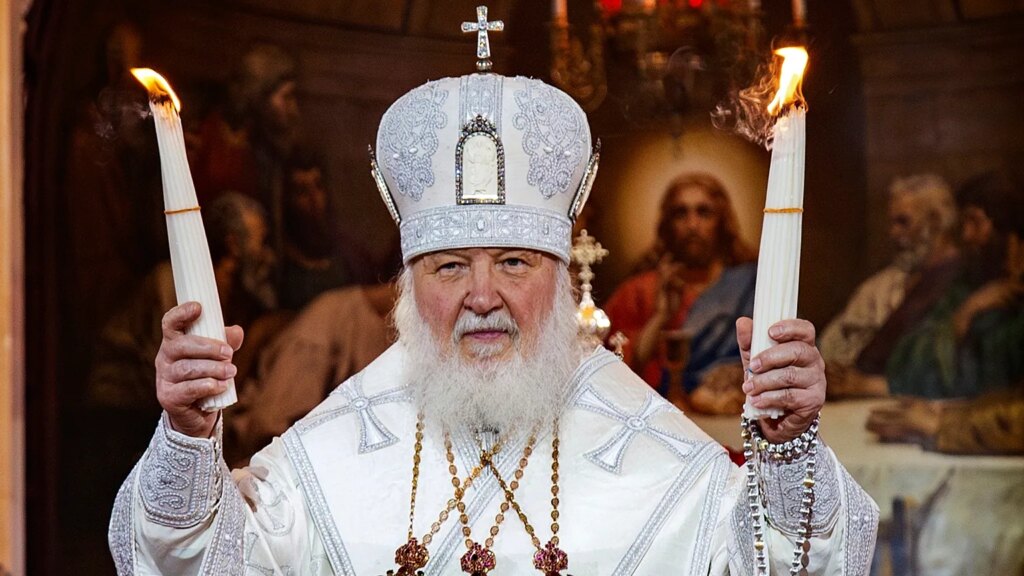
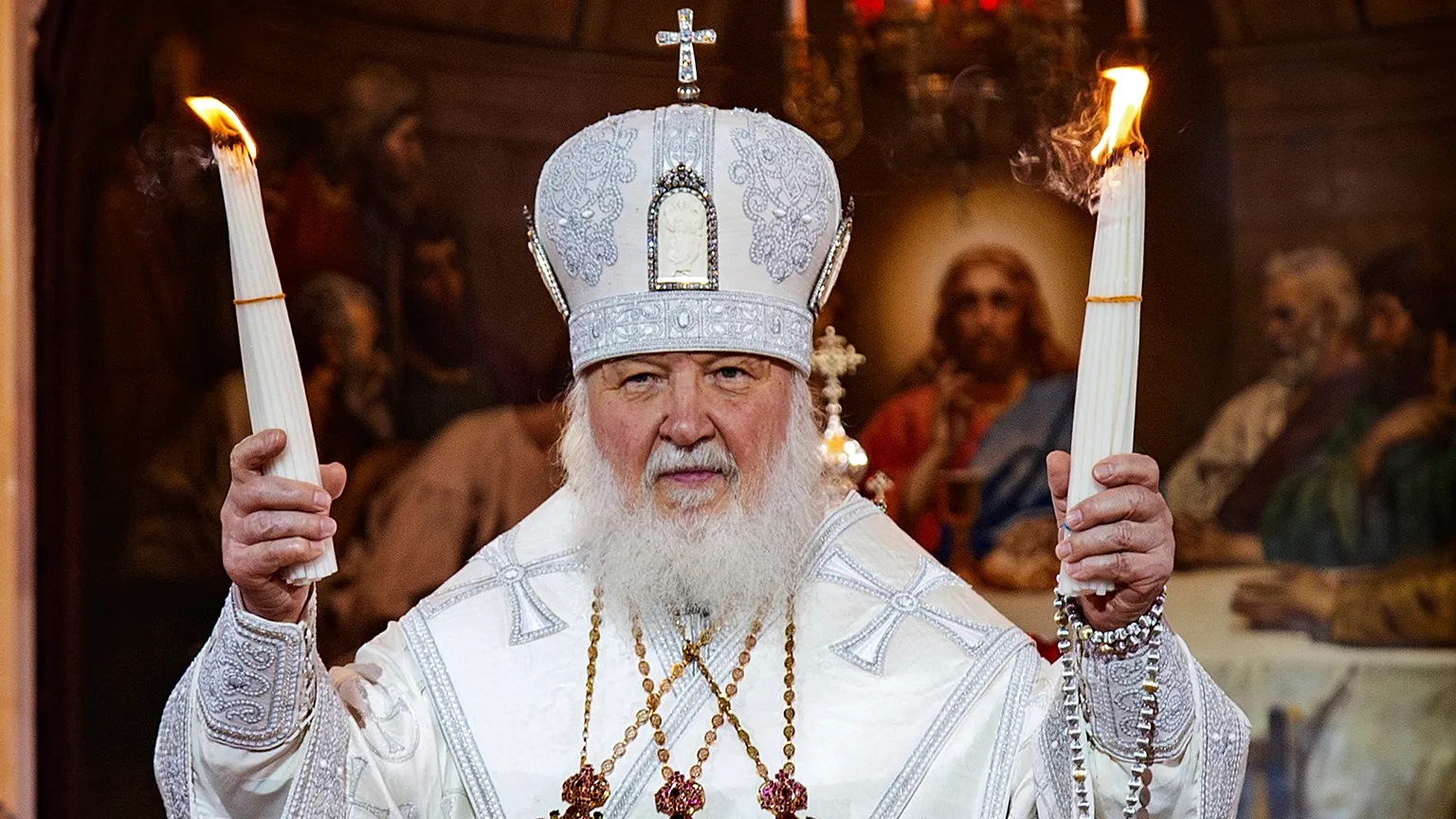
Bulgaria successfully blocked the blacklisting of Patriarch Kirill and Vagit Alekperov, resulting in their removal from the EU sanctions list still under negotiation.
The European Union failed to impose sanctions on Patriarch Kirill, the leader of Russia’s Orthodox Church, as Bulgaria exercised a veto during closed-door talks, citing reasons tied to religion and culture.
 ADVERTISEMENT
  ADVERTISEMENT
Bulgaria also rejected the inclusion of Vagit Alekperov, a Kremlin-associated Russian billionaire and founder of Lukoil, in the sanctions list.
According to multiple diplomats speaking to Euronews, both names were removed from a draft sanctions proposal during an extraordinary ambassadors’ meeting on Sunday, aimed at finalizing an agreement. Although the full sanctions package was not agreed upon, progress toward a conclusion this week was noted.
This exclusion was largely anticipated due to Bulgaria’s unwavering stance to veto the sanctions, a position publicly affirmed by Prime Minister Rumen Radev last month—an unusual move for a leader during ongoing negotiations.
«What signal do we send by extending sanctions and conflict into the realm of religion? Do we understand the consequences?» Radev questioned.
Patriarch Kirill, a divisive figure with both religious and political sway, faces accusations of promoting revisionist narratives that justify the war in Ukraine.
Under his guidance, the Russian Orthodox Church endorsed a document demanding the elimination of Ukrainian sovereignty and framing the invasion as a «Holy War».
The EU initially aimed to sanction Kirill in 2022. However, Hungary, led by then-Prime Minister Viktor Orbán, blocked the effort, arguing it infringed on religious freedom.
This veto caused significant controversy and backlash within the EU.
The issue remained dormant until this spring, when Hungary’s new government under Péter Magyar indicated a shift in stance. EU authorities capitalized on this change, adding Kirill to the list of proposed sanctions targets.
Nonetheless, the initiative soon confronted Bulgaria’s firm objection.
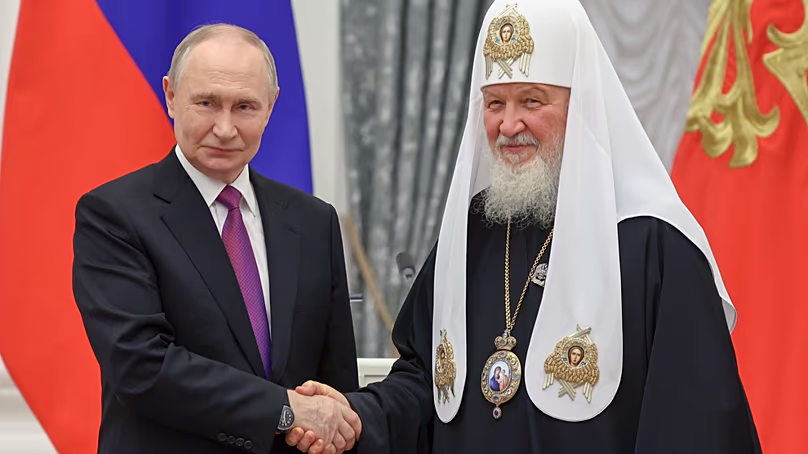
Administratively independent yet culturally linked, the Bulgarian Orthodox Church and Russian Orthodox Church have separate patriarchs but share the Eastern Orthodox faith and doctrine, maintaining deep historical ties.
The Eastern Orthodox Church represents the main religious denomination across many Eastern European nations, such as Russia, Bulgaria, and Ukraine.
«The era of the Crusades is behind us. My concern is not the Russian Patriarch as a person, but the fact that he leads the Russian Orthodox Church, which follows Eastern Orthodoxy just like ours,» stated Radev.
«My concern extends to the millions affiliated with that church.»
Another individual Radev sought to protect was Vagit Alekperov, the Russian magnate who established Lukoil. Although Alekperov resigned as president in 2022 under growing international pressure, he maintained ownership stakes in the company.
Radev contended that sanctioning Alekperov would be self-defeating because Lukoil has initiated a €3 billion compensation claim related to the nationalization of the Neftohim Burgas refinery, the largest facility of its kind in the region.
Following U.S. sanctions against Lukoil, Sofia appointed a special administrator for the extensive refinery in November 2025, as the company was forced to divest its international assets.
This refinery, which realizes billions in annual revenue, no longer processes Russian oil.