
This Tuesday, NATO chiefs arrived in Ankara for the annual summit. The pre-agreed declaration promises a steadfast 32-member alliance unified in collective defense. Yet, the official texts do not always correspond with the actual situation.
Last Thursday, Donald Trump once again criticized his partners on Truth Social, claiming that Europe abandoned the US in its conflict with Iran and labeling Washington’s continued one-sided NATO commitment as “ridiculous.”
 ADVERTISEMENT
  ADVERTISEMENT
That is a strong allegation; therefore, let us analyze the raw statistics to determine if the leading member is justified.
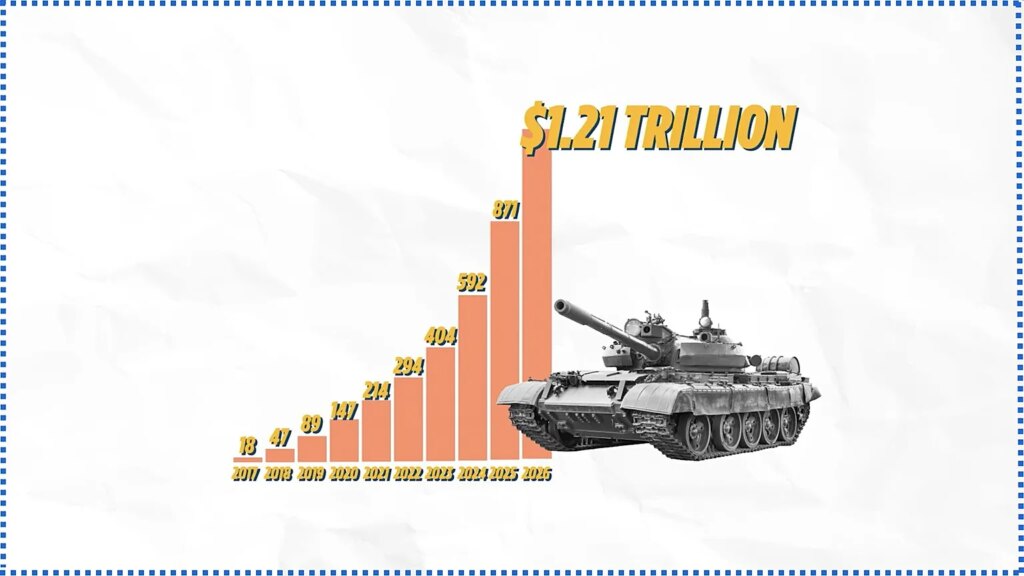
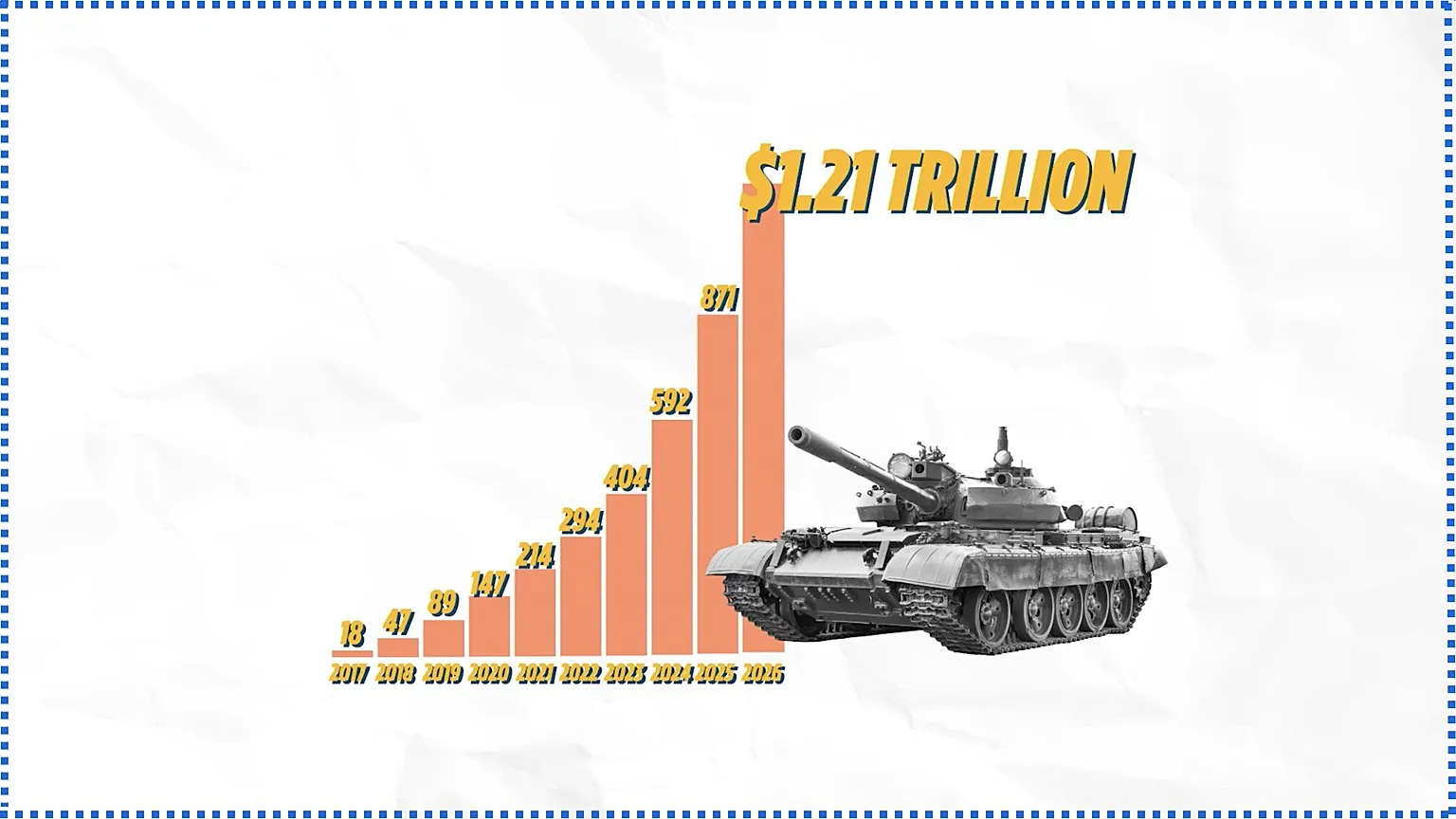
Data indicates a significant 20 percent annual increase in core defense expenditures across Europe and Canada. In straightforward terms, NATO allies injected an additional $258 billion into defense during the past two years.
The NATO Secretary General highlights that since Trump’s initial term, member countries have spent $1 trillion on defense. He even refers to this sum as “The Trump Trillion” to compliment the White House while urging transformation of these funds into combat-ready assets.
Moreover, NATO partners have committed to reaching a hefty 5 percent GDP defense spending goal by 2035, aiming to establish an upgraded NATO 3.0.
Nevertheless, a challenge arises: these figures do not alter the stark realities faced on the ground, even though a large portion of these funds return directly to US defense contractors.
Washington is reducing its wartime inventory and withholding deployment of long-range bombers, fighter aircraft, submarines, and warships from European forces. Additionally, Matthew Whittaker, former US Ambassador to NATO, cautions that Europe cannot continue relying on American taxpayers without contributing sufficiently.
Furthermore, America’s decisive advantage lies in artificial intelligence. The US holds exclusive control over advanced military AI systems like Claude Mythos. This technology is treated as a strategic weapon, with strict export restrictions, granting Washington the power to choose which allies receive digital security and which are excluded.
Consequently, purchasing a trillion-dollar defense share does not guarantee ongoing American protection. Europe finances this alliance, but Washington retains control.
Watch the Euronews video in the player above for the complete coverage.