

In partnership with 
Will the Alps continue to serve as Europe’s reliable water reservoir? The Waterwise initiative is gathering an unparalleled volume of information from the Alpine summits to analyze the sensitivity of headwater catchments — the high-altitude streams that nourish Europe’s main rivers.
According to the Intergovernmental Panel on Climate Change (IPCC), the retreat of Alpine glaciers poses a risk to the water resources of mountain inhabitants and the millions living downstream. This major European mountain range is warming at approximately twice the rate of the global average.
 ADVERTISEMENT
  ADVERTISEMENT
The Contamines-Montjoie Nature Reserve, located near the French border of Mont Blanc, serves as one of the pilot sites for the international Waterwise project, which seeks to simulate the future of alpine water resources under varying climate scenarios and the diverse pressures expected to impact these ecosystems.
 View Gallery 4 Photos
At its core, the initiative seeks to close the gap between researchers and local populations to collaboratively develop effective water management strategies.
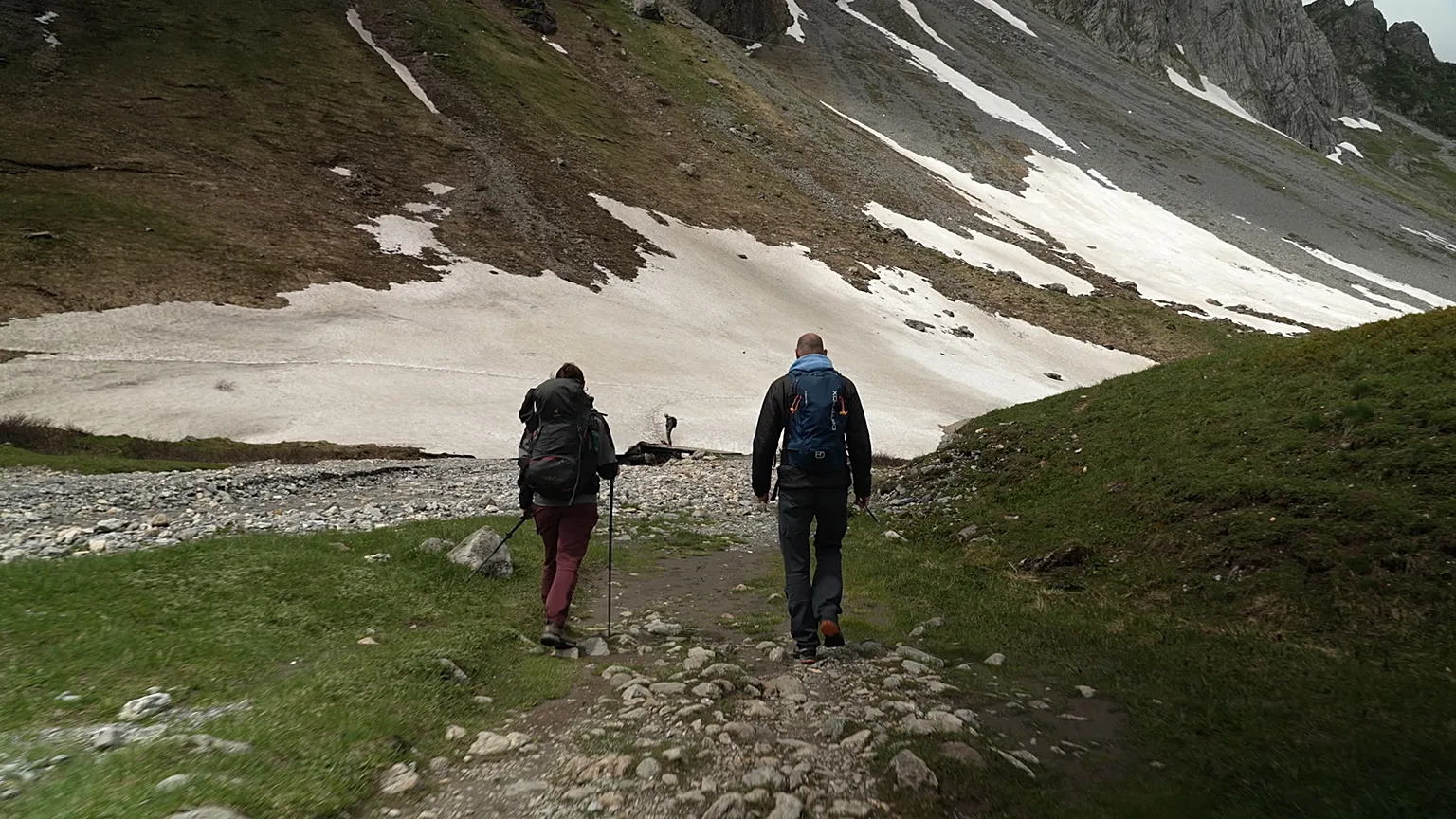
«Protection requires understanding. The goal of this project is to expand knowledge, thus enhancing conservation,» explains Geoffrey Garcel, warden of the reserve, who trekked to Plan Jovet, a site featuring two lakes adjacent to a vanished glacier. Like many source catchments, this remote area presents challenges in monitoring water conditions.
Solène Pignard Waterwise Research Officer, Réserves Naturelles de France
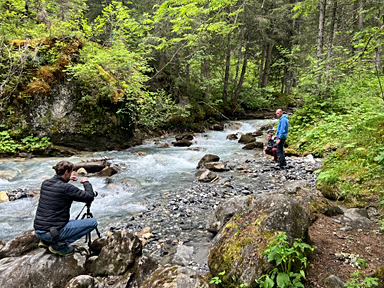
Waterwise consolidates extensive existing data and addresses gaps through in situ surveys and installation of lightweight «smart rocks» sensors directly within watercourses. These sensors collect measurements such as water volume, ecological health, and temperature. This environmental data is paired with socio-economic factors including agriculture, energy production, and tourism.
The Contamines-Montjoie Reserve, traversed annually by thousands of hikers undertaking the renowned «Tour du Mont Blanc,» is an example of these complex interactions. During summer months, cattle graze along the mountain streams, and EDF, the French energy company, diverts some water to power a nearby plant. Such pressures have prompted the reserve to implement adaptive strategies in recent years.
Markus Noack Professor of hydraulic engineering and water resources management at Karlsruhe University of Applied Sciences
Data produced by Waterwise will also support an open-access «digital toolbox» designed to aid policymakers and local stakeholders in jointly evaluating adaptation tactics essential for reinforcing the resilience of mountain territories. Leveraging the expertise of local actors forms a crucial component of Waterwise’s approach.
With an overall funding of €2.69 million, Waterwise receives €1.61 million co-financing from the European Regional Development Fund (ERDF). The project unites twelve partners from France, Germany, Switzerland, Austria, and Slovenia.