
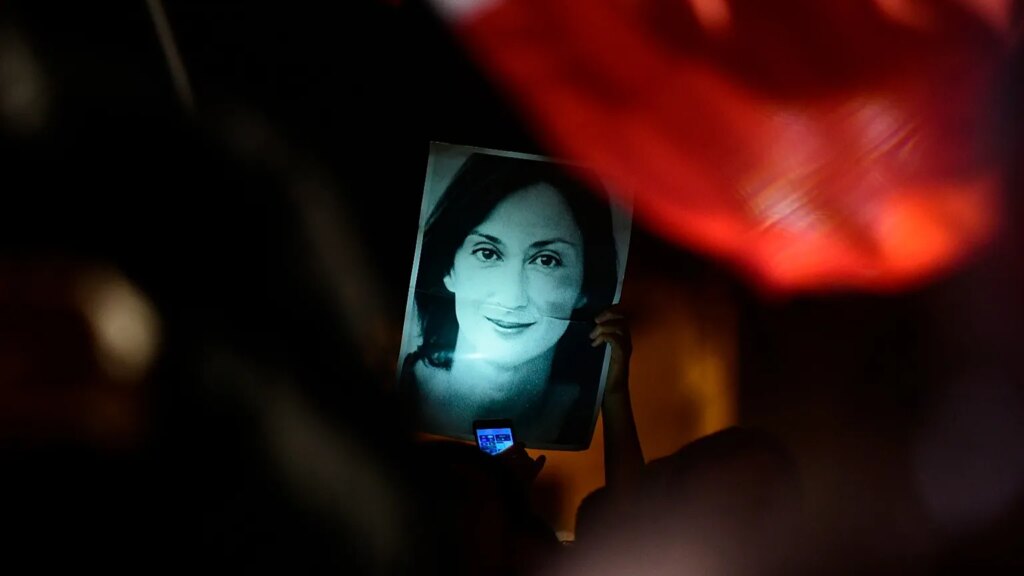
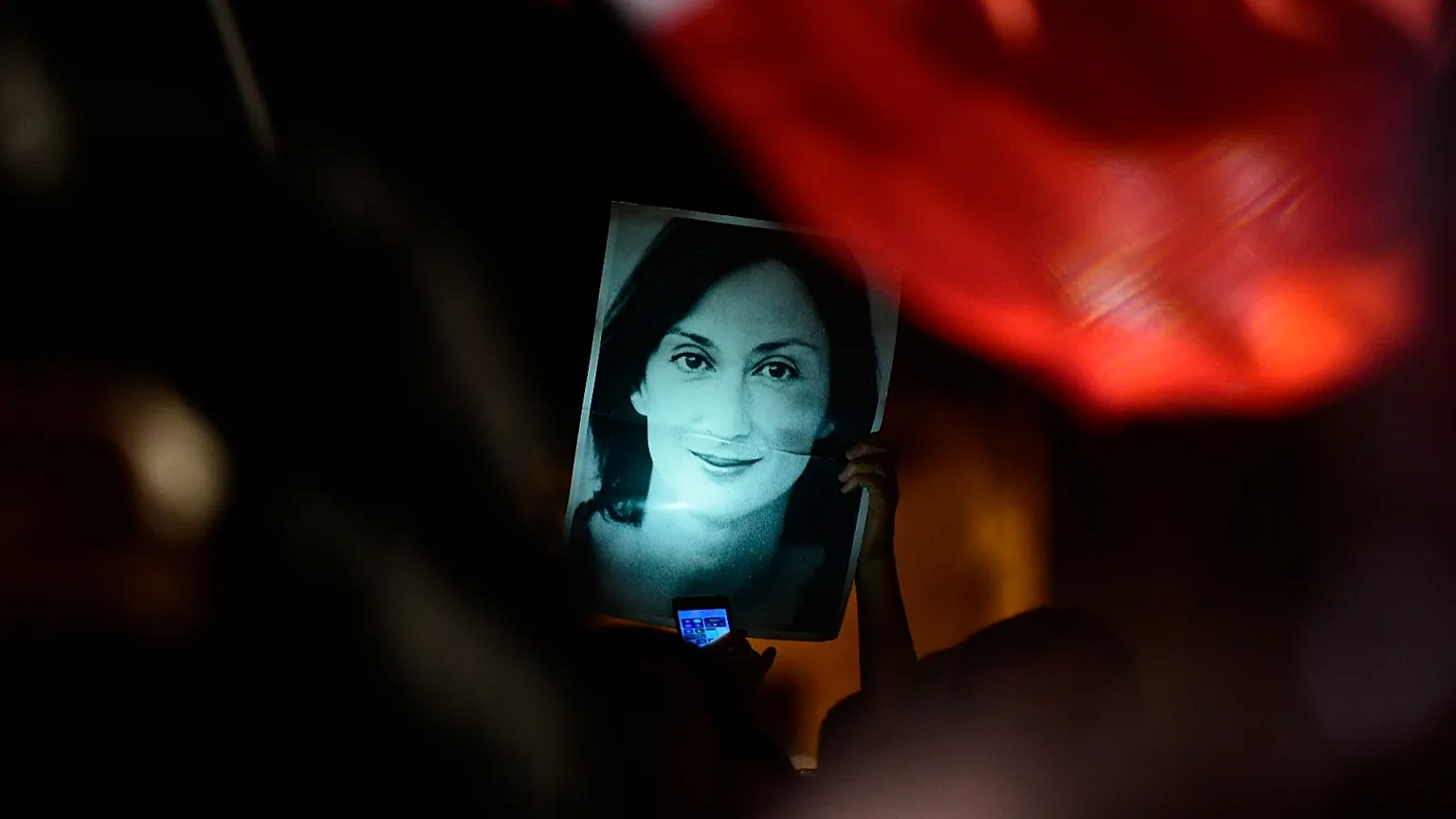
Caruana Galizia revealed corruption at the highest tiers of government, drawing attention to opaque connections between Malta’s business sphere and political powers.
On Wednesday, a Maltese billionaire faced trial on charges of ordering the assassination of a courageous investigative journalist whose work shook the island nation, toppled a government, and triggered international condemnation.
 ADVERTISEMENT
  ADVERTISEMENT
Yorgen Fenech faces accusations of masterminding the killing of Daphne Caruana Galizia, 53, a well-known figure and outspoken critic, who died after a bomb exploded in her car close to her residence.
«Nearly nine years after my mother’s assassination, the individual charged with ordering it is now on trial,» stated Paul Caruana Galizia, the journalist’s son, via social media.
Jason Azzopardi, an attorney representing the family, confirmed to AFP news that the proceedings had commenced and that Fenech was present in court.
Caruana Galizia’s investigations uncovered corruption at the highest governance levels, exposing troubling ties linking Malta’s commercial and political elites.
The murder of the journalist and blogger—often referred to as a «one-woman WikiLeaks»—provoked global outrage and highlighted deficiencies in Malta’s adherence to the rule of law, drawing attention to the smallest European Union member state.
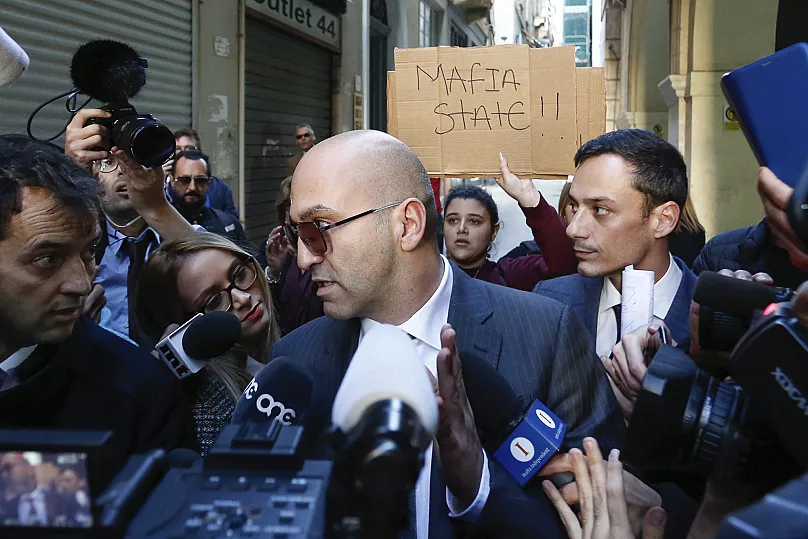
The murder triggered a political upheaval and led to the resignation of then-Prime Minister Joseph Muscat in January 2020, following public outrage and mass demonstrations over perceived attempts to shield associates from investigation.
A two-year public inquiry, released in July 2021, determined that the state must «accept responsibility» for the killing, citing the government’s creation of an «atmosphere of impunity.»
Fenech, a businessman with investments in energy and tourism, was detained aboard his yacht in 2019 while attempting to leave Malta after an intermediary involved in the murder was granted a pardon for revealing the identities of those responsible.
To date, five individuals have been convicted for their roles in supplying explosives and executing the assassination.
Justice achieved?
Reporters Without Borders, a press freedom watchdog with representatives attending the trial, remarked on social media that the court case «revives hope that justice will finally be delivered for a crime committed nearly nine years ago.»
In September last year, a court dismissed Fenech’s request to invalidate his statements made to police following his 2019 arrest. He had claimed that these statements were made under the influence of cocaine.
The prosecution’s indictment cited by the Times of Malta stated that the entrepreneur ordered the killing because Caruana Galizia was on the verge of publishing a damaging report about his uncle.
In June 2025, Robert Agius and Jamie Vella were sentenced to life imprisonment for supplying the bomb that ended Caruana Galizia’s life.
The trio who carried out the attack—brothers George and Alfred Degiorgio, alongside Vince Muscat—are currently serving prison sentences after their convictions.
The 437-page document authored by a panel of three judges in 2021 concluded that the state neglected its duty to protect Caruana Galizia and allowed her to be subjected to personal attacks and verbal harassment by politicians.
This environment created a «favourable climate» for her murder; there was «convincing proof» her killers acted with assurance of protection from «individuals in the highest state offices.»
Additional sources • AFP