
Exactly a decade ago today, the UK made a momentous decision that permanently altered Europe’s landscape. Nonetheless, Britons do not require another European voice dictating their desires. Instead, this continental correspondent offers something distinctly British: a critical review.
Although numbers seldom capture the full complexity of public sentiment, they bear undeniable weight when a referendum enshrines decisions into legislation.
 ADVERTISEMENT
  ADVERTISEMENT
Ten years on, the Brexit discussion — whether welcomed or not — remains active.
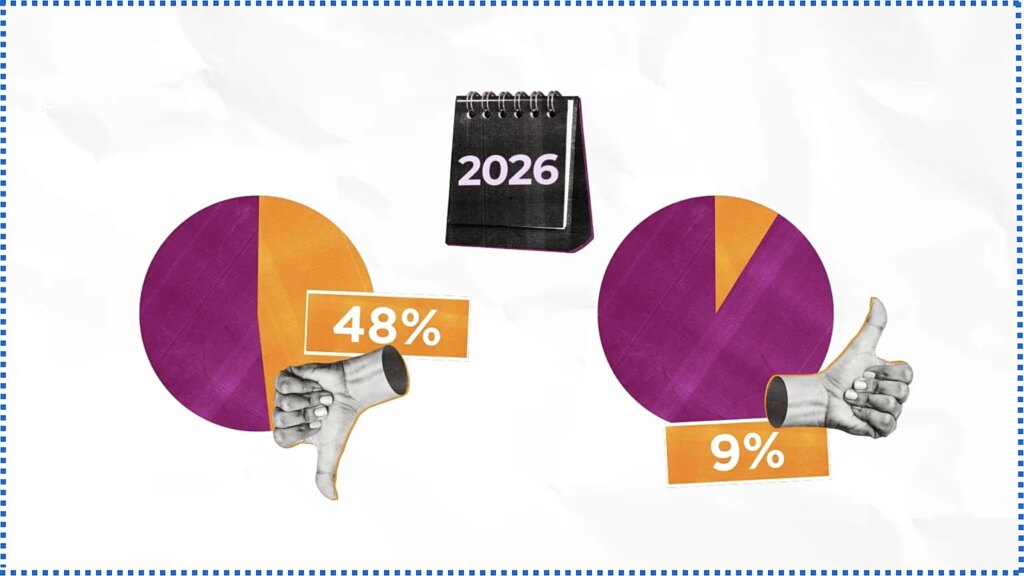
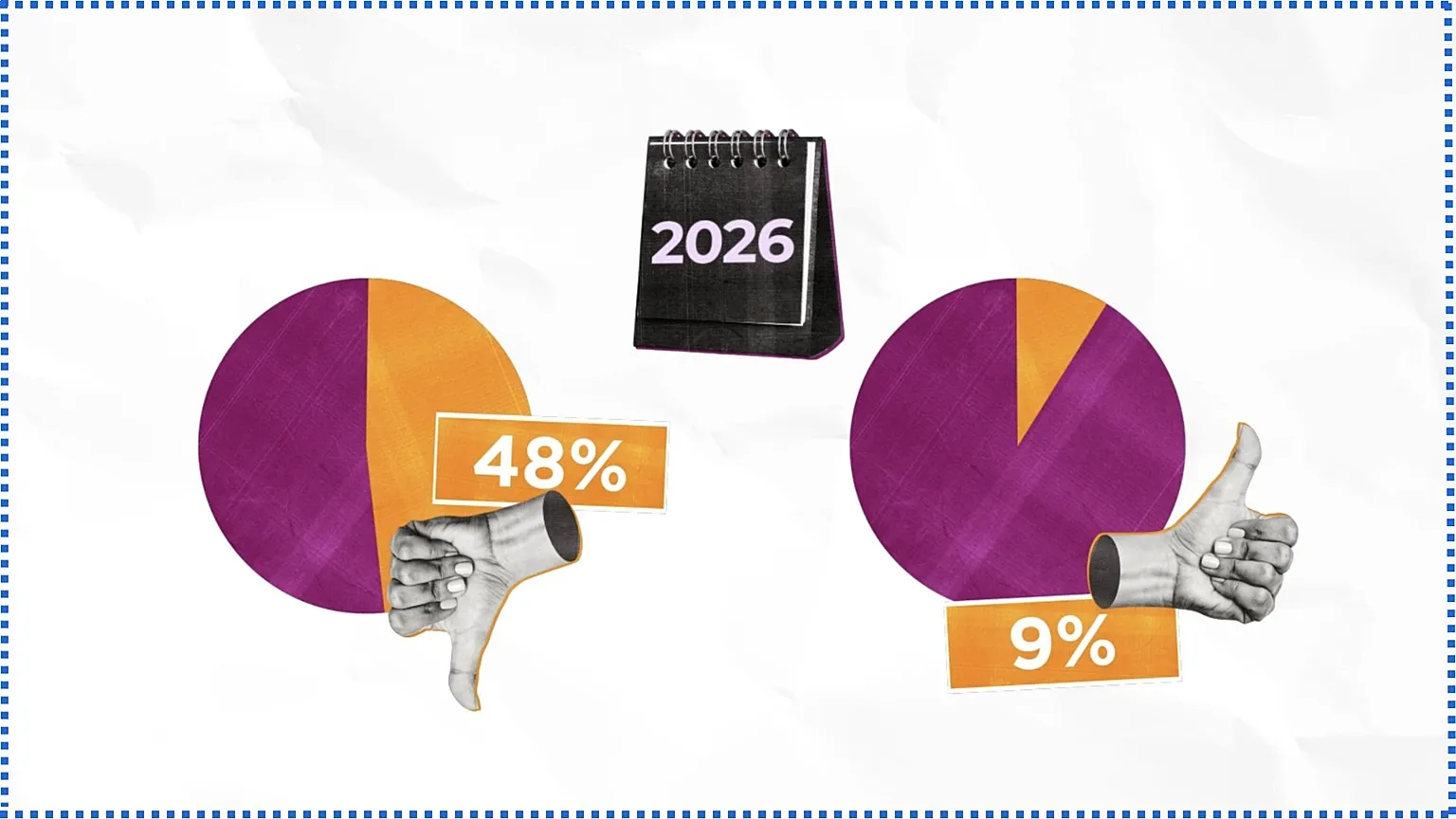
A comprehensive study by Ipsos, alongside the Policy Institute at King’s College London, and UK in a Changing Europe, unveils a populace wrestling with conflicting views. Currently, 48% of Britons believe Brexit is proceeding worse than anticipated, whereas only 9% judge it a success («believing Britain’s exit from the EU is working out better»).
Further, the statistics reveal an intriguing contradiction. A majority (53%) now supports allowing EU nationals to reside and work in the UK in return for Single Market access, a sharp rise from ten years earlier.
Yet, once the debate pivots from economic considerations to sovereignty, opinions shift dramatically. The majority (52%) continues to emphasise full immigration control, even if that results in a more constrained partnership.
Moreover, the British openly express a desire for closer cooperation on particular matters, with 47% advocating for enhanced trade links and 60% pushing for a shared security alliance.
Rejoining the Union requires unanimous consent under Article 49 of the European Union treaty. All twenty-seven members hold an absolute veto: a single negative vote from any capital shuts the door indefinitely.
Finally, the greatest irony emerges: within the EU, Britons followed European rules but were involved in drafting them. Outside the EU, they remain entirely subject to those same rules without any influence over their formulation.
It appears that regaining control simply transferred the EU’s remote control to another hand. Nevertheless, at least the famed £350m per week for the NHS was secured.
Is that so?
Watch the Euronews video in the player above for the complete report.