
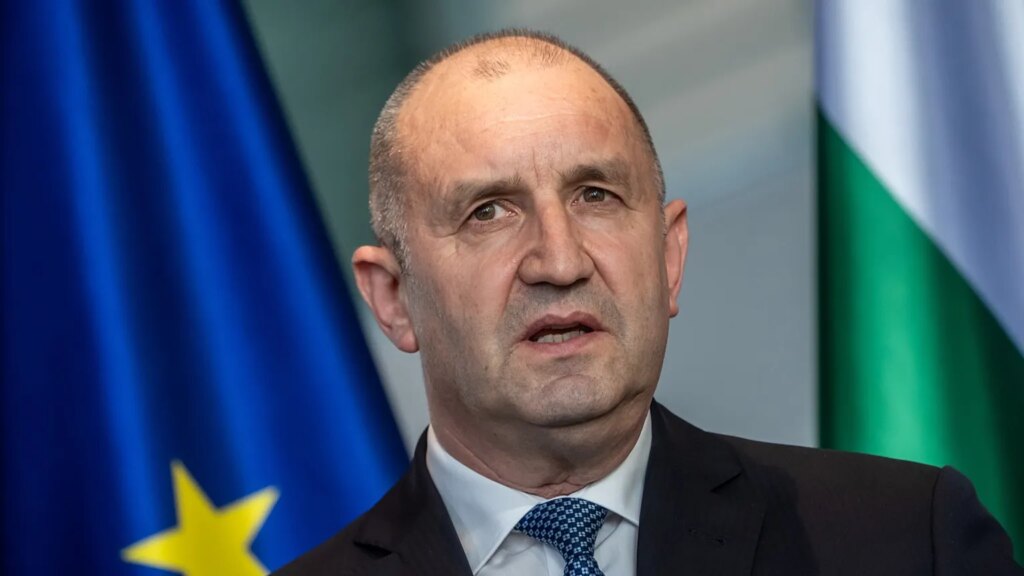
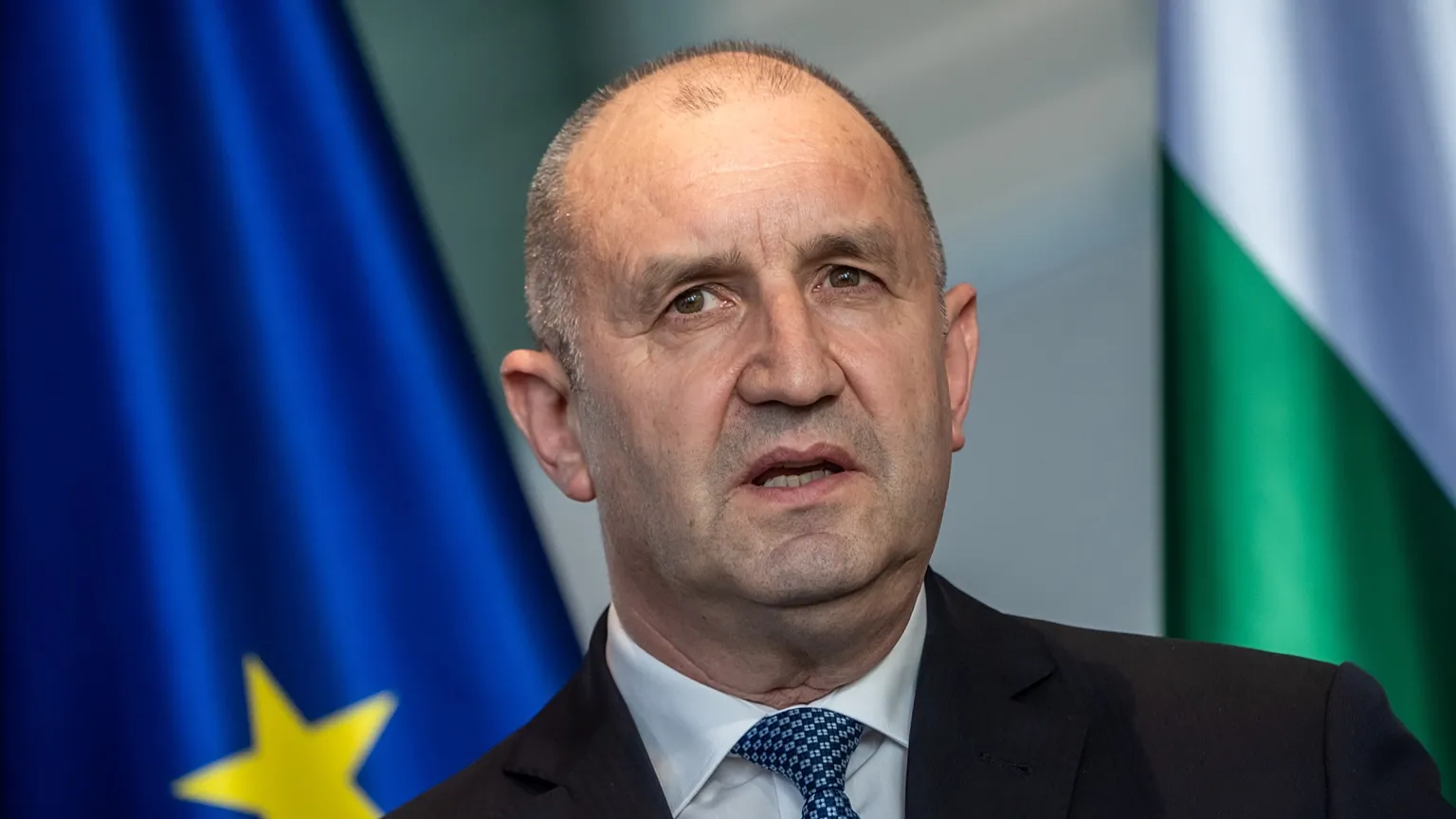
«The age of the Crusades has ended,» declared the Bulgarian prime minister on Thursday as he confirmed his resistance to the proposal.
The European Union is once again facing significant difficulties in enforcing sanctions against Patriarch Kirill, the leader of Russia’s Orthodox Church.
 ADVERTISEMENT
  ADVERTISEMENT
With Hungary having removed its protracted veto, Bulgaria now stands as the latest hurdle in the decision, which mandates unanimous agreement.
The opposition was reaffirmed on Thursday by the nation’s new prime minister, Rumen Radev, ahead of his departure to Brussels for his inaugural EU summit.
«What signal are we sending by extending sanctions and conflict into matters of religion? Are we aware of the consequences?» Radev told journalists in Sofia.
«The era of the Crusades is over. My concern is not with the Russian Patriarch personally, but with his role as the head of the Russian Orthodox Church, which is Eastern Orthodox, like our own church. My worry lies with the millions of adherents to that church.»
Although the Bulgarian Orthodox Church and the Russian Orthodox Church function independently and have separate patriarchs, they both belong to the Eastern Orthodox tradition, share identical doctrines and beliefs, and maintain strong cultural and historical connections.
The Eastern Orthodox Church represents the dominant faith in numerous Eastern European nations, including Russia, Bulgaria, and Ukraine.
On Wednesday, Bulgaria’s Foreign Minister Velislava Petrova-Chamova expressed disapproval of sanctioning Patriarch Kirill, stating that the proposal would hold a merely «symbolic» value, despite imposing a travel ban and freezing EU-based assets.
According to her, the sanctions «do not produce economic impact but might be counterproductive by fueling anti-European rhetoric, particularly claims that Europe is intruding on church matters. Hence, we view this approach as ineffective.»
Kirill, a contentious figure wielding both religious and political clout, has faced allegations of disseminating propaganda to justify the conflict in Ukraine.
Under his guidance, the Russian Orthodox Church endorsed a document advocating the destruction of Ukrainian sovereignty and characterized the invasion as a «Holy War».
The EU initially attempted to blacklist Kirill in 2022. However, Hungary, led at the time by Prime Minister Viktor Orbán, blocked the initiative, citing concerns over religious freedom.
This veto garnered widespread attention and provoked dismay among other member states.
The issue remained stagnant until last month, when Hungary’s new administration under Péter Magyar indicated willingness to proceed with the sanction, as reported by Euronews.
EU officials capitalized on this reversal and subsequently included Kirill’s name on the latest roster of sanctioned individuals.