
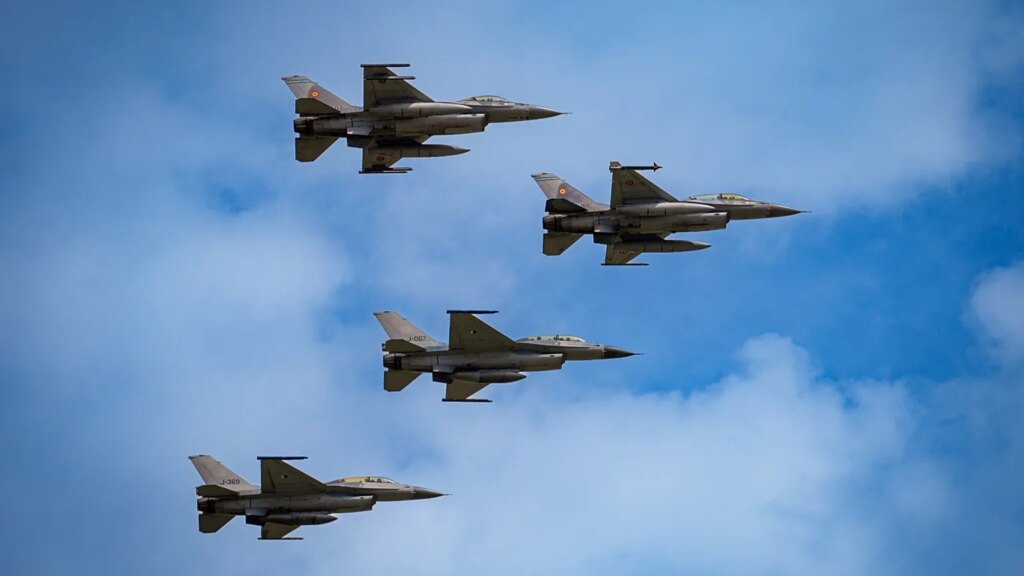
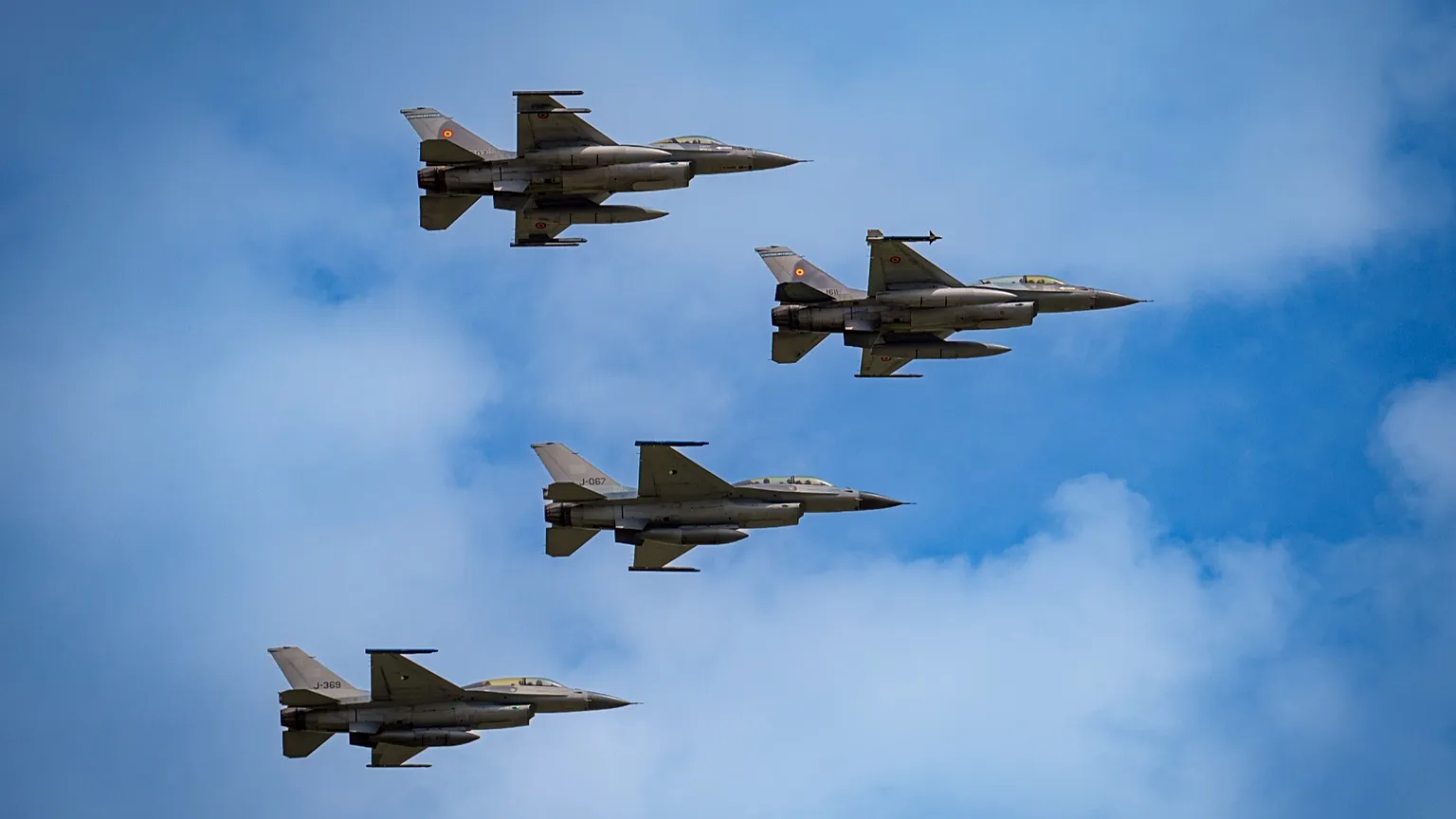
For the first occasion, a NATO fighter jet intercepted what is considered to be a misdirected Ukrainian drone over a Baltic nation. Ukraine expressed regret over this “unintentional event,” while Russia warned of possible countermeasures.
An F-16 fighter jet operating as part of NATO air policing duties in the Baltics intercepted what is believed to have been an errant Ukrainian drone above southern Estonia on Tuesday
 ADVERTISEMENT
  ADVERTISEMENT
Estonian Defence Minister Hanno Pevkur noted that due to the drone’s flight path, “the decision was made to neutralize it.”
“It is highly likely that the drone was intended to strike Russian targets.”
According to Ukrainian Foreign Ministry spokesperson Heorhii Tykhyi, specialists from both Ukraine and Estonia are collaborating on strategies to avoid similar future incidents.
“We extend our apologies to Estonia and our Baltic partners for these accidental occurrences. We continue close cooperation via our specialized agencies to thoroughly investigate each case and develop preventative measures, including through direct involvement of our expert teams.”
Tykhyi further asserted that Russia is purposefully diverting Ukrainian drones into Baltic airspace using electronic warfare tactics.
“Moscow is doing this intentionally, coupled with escalated propaganda efforts.”
“Escalated propaganda”
Russia’s Foreign Intelligence Service (SVR) declared on Tuesday that Ukraine is preparing drone strikes against Russia launched from Baltic countries and warned of “retaliatory” actions.
Moscow alleged that Riga consented to Kyiv deploying drones from Latvian territory “despite apprehensions of retaliatory strikes by Moscow.”
“The simplistic Russophobia of Latvia’s current leadership outweighed their logical reasoning and instinct for self-preservation.”
Latvia and Ukraine both rejected these allegations, describing them as “another disinformation campaign.”
Latvian Prime Minister Evika Siliņa stated that Riga has “never authorized Ukraine to utilize its territory or airspace for defensive operations against Russia or any other nation.”
“This has been clarified repeatedly on the international stage. Russia is the aggressor, and Ukraine has the right to self-defence.”
Recently, Latvia’s government collapsed after the prime minister’s resignation following the defence minister’s departure over responses to multiple incidents involving stray drones believed to originate from Ukraine.
The defence minister’s party later withdrew its support from the coalition government.
A Ukrainian Foreign Ministry representative added that “contrary to Russian propaganda, Estonia, Latvia, Lithuania, and Finland have never authorized the use of their airspace for strikes against Russia. Moreover, Ukraine has not sought such permissions.”
“Ukraine exercises its right to self-defense under Article 51 of the UN Charter. Our legitimate military objectives lie within Russia, and we use Russian airspace to access them.”
The spokesperson also emphasized that Moscow “lacks any grounds to blame Ukraine, the Baltic states, or Finland for the fallout of its own actions and, more broadly, its war of aggression.”
Russian threats toward the Baltics
Moscow has issued repeated warnings to Latvia and other Baltic nations about “retaliatory strikes” in response to Ukrainian drone attacks on Russian territory.
The SVR now claims “despite Latvia’s fears of becoming a target for Moscow’s retaliation, Kyiv persuaded Riga to approve the operation.”
They further allege that personnel from the Ukrainian Armed Forces’ Unmanned Systems Units “have already been deployed in Latvia”.
“One can only lament the naivety of Latvian officials,” Russia’s Foreign Intelligence Service stated on Tuesday, delivering a veiled warning to Riga.
“It is important to remember that the locations of decision-making centers within Latvian territory are well known, and NATO membership will not safeguard those who assist terrorists from rightful consequences.”
Since the outset of its large-scale invasion of Ukraine, Moscow has repeatedly threatened so-called “decision-making centers” in Ukraine using comparable rhetoric.
Earlier, Ukrainian President Volodymyr Zelenskyy reported that, based on Ukrainian intelligence, Russian forces are preparing new missile and drone strikes against what the Kremlin refers to as “decision-making centers.”
“These include nearly two dozen political hubs and military command posts,” Zelenskyy stated on 15 May.