
The severe defeat in the local elections fuels growing pressure on Prime Minister Keir Starmer, as the increasing backing for the anti-immigration Reform UK highlights widespread public dissatisfaction with migration and the economic situation.
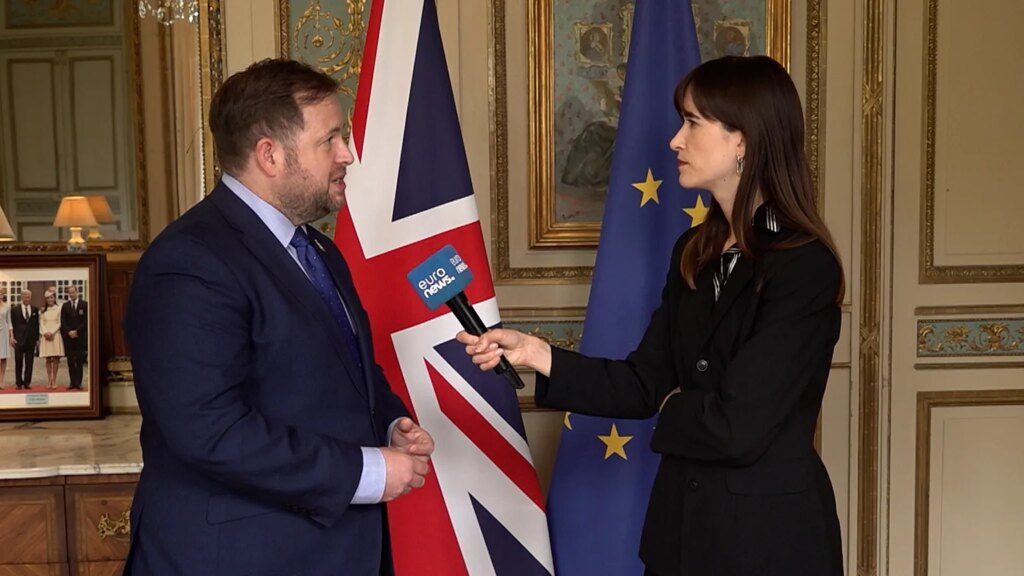
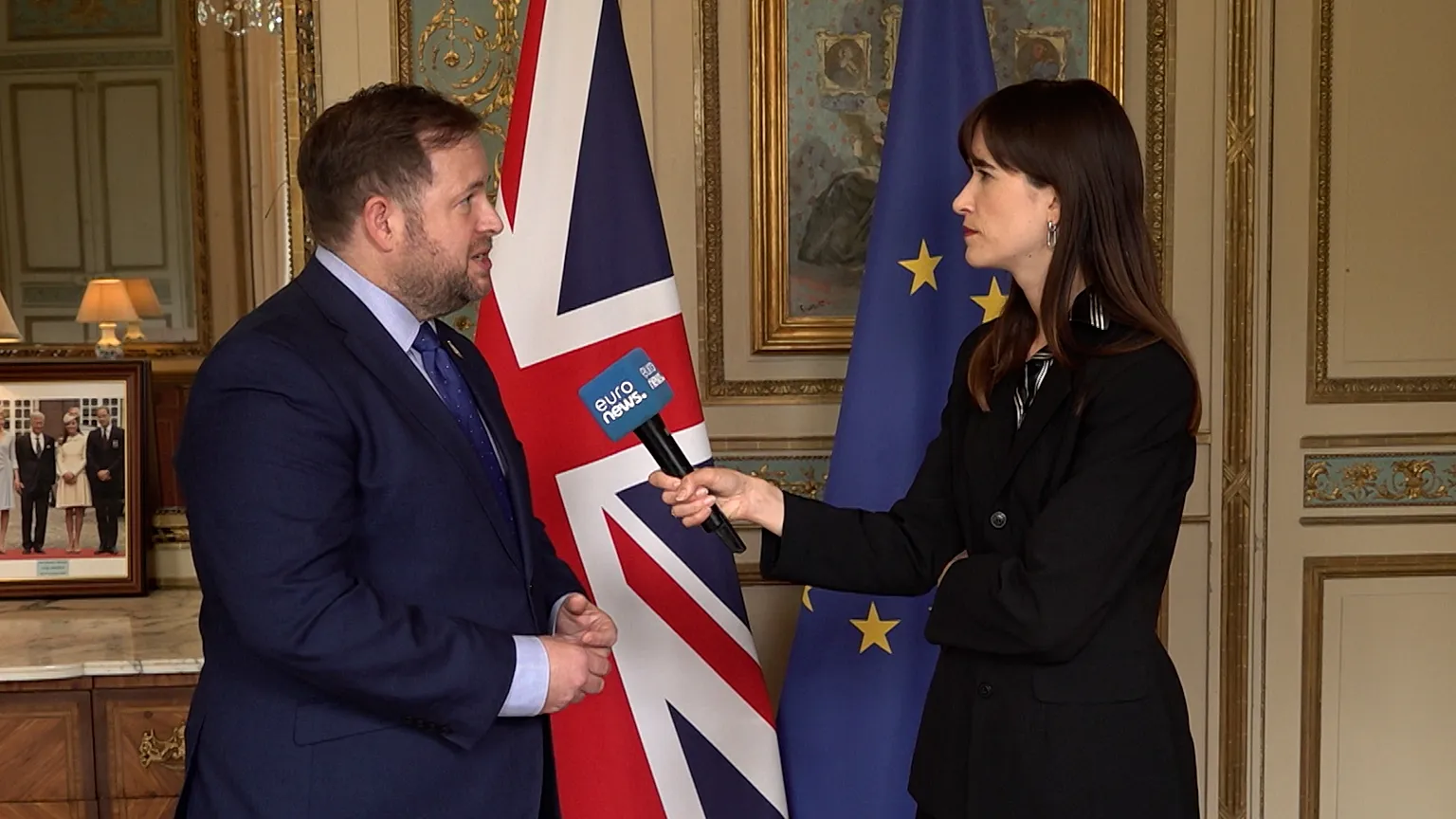
Stephen Doughty, UK Minister for Europe, stated that Prime Minister Keir Starmer has taken “responsibility” for Labour’s poor performance in the local elections. He also accused the far-right Reform UK party of deceiving voters with “unrealistic promises.”
 ADVERTISEMENT
  ADVERTISEMENT
During an appearance on Euronews’ morning program Europe Today, Doughty criticized Reform UK leader Nigel Farage, accusing him of spreading what he termed “false assurances” regarding Brexit.
“He claimed Brexit would increase our wealth — it has not. He promised it would reduce migration, but in reality, migration has risen,” Doughty explained to Euronews.
Reform UK gained over 1,300 council seats throughout England and made significant progress in devolved elections in Wales and Scotland, while Labour dropped more than 1,100 local mandates and lost control over councils that it had governed for many years.
Amid growing demands within his party, Starmer pledged on Monday to prove Labour’s skeptics wrong and promised to confront the major issues facing the nation.
Doughty acknowledged public discontent, noting that many citizens continue to experience financial hardships due to global instability and rising energy prices.
“People are still feeling the financial strain,” he remarked. “It’s essential for the government to demonstrate its responsiveness to these concerns.”
Although Labour faced setbacks, Starmer has maintained his stance on strengthening collaboration with the European Union, emphasizing the importance of enhancing security, defence, and economic partnerships with European allies.
“This is a struggle for the very identity of our country,” Starmer declared in a speech following the election outcomes.
Doughty defended the government’s approach to Europe, affirming that the UK must deepen cooperation with partners “amid a highly volatile international environment” in preparation for the upcoming UK-EU summit, scheduled for summer 2026.
While Starmer ruled out re-entering the EU, customs union, or single market, the UK has increasingly aligned its foreign and security policies with Brussels.
Recently, the UK and EU confirmed negotiations about possible British backing for the EU’s €90 billion loan program to support Ukraine in its conflict with Russia.
Doughty dismissed claims that Britain’s involvement amounted to “pay to play,” instead describing it as “a strategic commitment” to European security.
He also highlighted the UK government’s £1.2 million (€1.38 million) funding directed towards efforts to locate and repatriate Ukrainian children abducted during Russia’s full-scale invasion.
“This is the most appalling aspect,” Doughty asserted, accusing Moscow of attempting to eliminate Ukrainian cultural, linguistic, and national identity.