
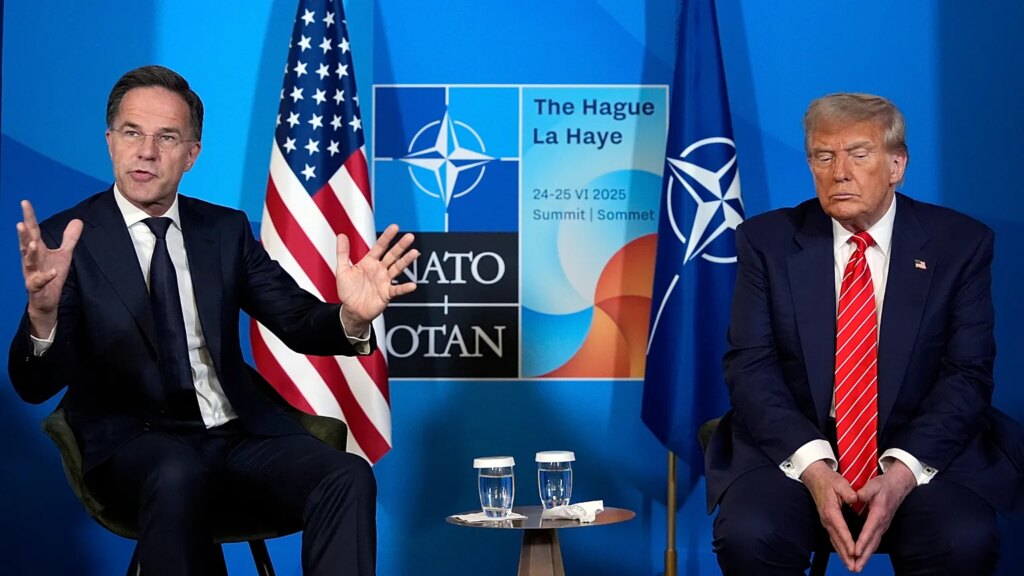
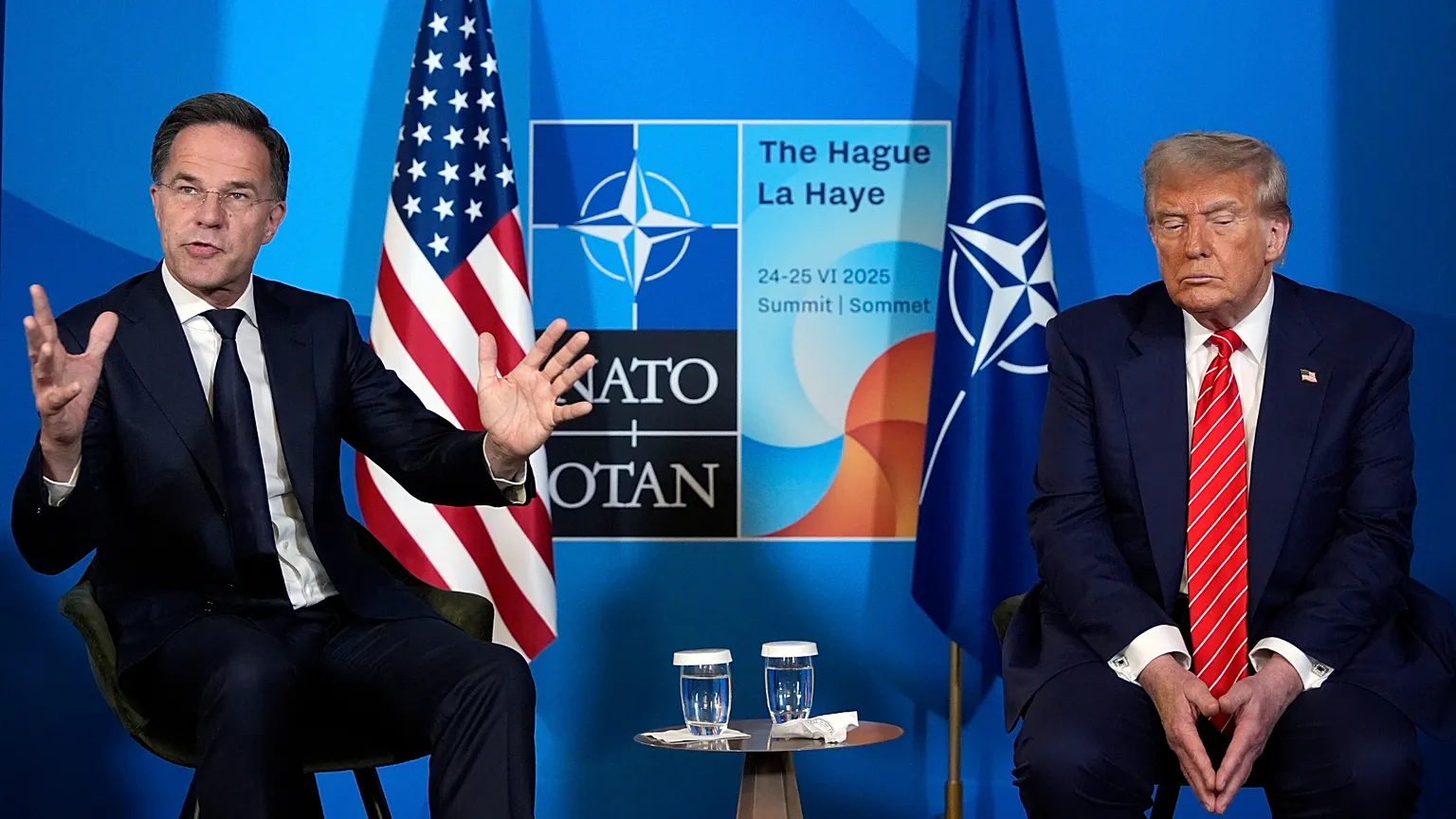
Trump did not alert allies before his sudden decision to pull 5,000 active-duty troops out of Germany. This abrupt announcement occurred amid ongoing tensions with German Chancellor Friedrich Merz, triggered by Merz’s criticism of the US involvement in Iran and its broader strategy.
Senior NATO officials were caught off guard by US President Donald Trump’s revelation that 5,000 troops would be withdrawn from Germany within the forthcoming 6 to 12 months, as disclosed by the Pentagon on Friday.
 ADVERTISEMENT
  ADVERTISEMENT
Questions have arisen regarding the logistics—specifically, the locations and methods of troop withdrawal. Furthermore, sources familiar with the matter indicated to Euronews that the effects of this decision on NATO’s overall defense posture remain uncertain.
On Saturday, Trump mentioned that the reduction in troop numbers in Germany would be “significantly larger” than the initially announced 5,000, though he did not specify the extent or timing of these additional cuts.
Sources revealed that the announcement, which surprised NATO’s senior command, lacked detailed information. Washington has not clarified if the departing troops belong to a rotation cycle not slated for renewal, an air unit, or the primary force contingent.
“It is unclear whether these forces constitute the core of a brigade or an air squadron,” former US ambassador to NATO, Ivo Daalder, told Euronews.
“There is no elaboration because Trump simply invented this figure,” another US source remarked to Euronews.
Military strategists are downplaying the impact of at least 5,000 fewer US military personnel on Europe’s security framework, citing the evolving nature of warfare that increasingly depends on technology and sophisticated weaponry over troop numbers.
In addition, several European partners—especially Germany—have significantly enhanced their defense capabilities over the past year. NATO member states had anticipated a potential review of US troop deployment, aware that such a decision could emerge at any time.
Nevertheless, they expected to be consulted prior to any measures directly affecting European security and NATO territory.
Officials in NATO capitals believe that a systematic and cooperative withdrawal of US forces would occur, ensuring that allies, fully informed of the situation, would avoid undermining NATO’s deterrence strength.
Within NATO, the timing of Trump’s announcement is connected to his displeasure with comments from German Chancellor Frederic Merz, who recently asserted that Iran was «humiliating» the United States and criticized Washington’s flawed approach to the conflict.
“The figure of 5,000 is a rough estimate that Trump pulled out of thin air as part of his pushback against Merz,” a US source told Euronews.
Trump posted on Wednesday night, following Merz’s statements, that the Pentagon was “studying” possible reductions in US forces in Germany, later adding criticism implying the German Chancellor should prioritize resolving the war with Russia/Ukraine and addressing domestic issues.
Hours afterward, Pentagon spokesperson Sean Parnell informed Fox News that the Secretary of Defense had “ordered the withdrawal of around 5,000 troops from Germany.”
The White House has also expressed frustration with European allies for declining to join US efforts in the Iran conflict. Trump has criticized some of them, as well as NATO, labeling it a «paper tiger.»
“The interval between Trump’s initial statement about assessing troop drawdowns after the dispute with Merz and the abrupt official announcement was very brief,” a NATO source told Euronews.
Meanwhile, Allison Hart, spokesperson for NATO Secretary General Mark Rutte, issued a statement saying, “We are coordinating with the US to clarify the specifics. This adjustment highlights the necessity for Europe to increase defense investments and share a larger portion of responsibility for collective security.”
US forces have maintained a substantial presence in Germany since the Cold War, currently exceeding 36,000 active-duty personnel. Their deployment is considered critical not only as a Cold War remnant but also as a vital demonstration of US global power.
Daalder argued that the Trump administration failed to consider this broader context, missing the bigger implications while attempting to penalize European allies for not engaging in the Iran conflict.
“He believes withdrawing troops will punish allies, but in reality he damages America’s own interests,” Daalder said.
“He is simply showing a lack of understanding of how America’s interests are best advanced.”
“He thinks that US troops in Europe are present merely to do favors for others,” he added during a phone interview with Euronews from the US. “The bottom line is that Europe is no longer among the US’s top priorities.”