
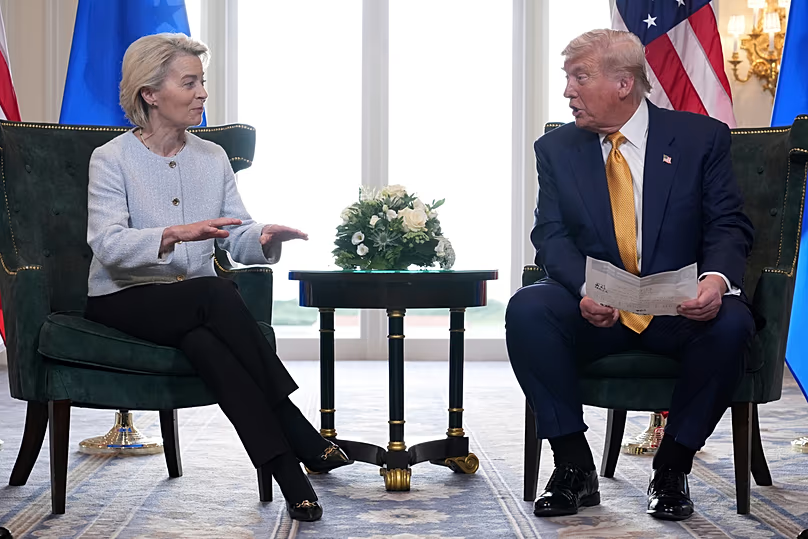
Trump and European Commission President Ursula von der Leyen finalized the trade agreement last July, establishing a 15% tariff on the majority of goods.
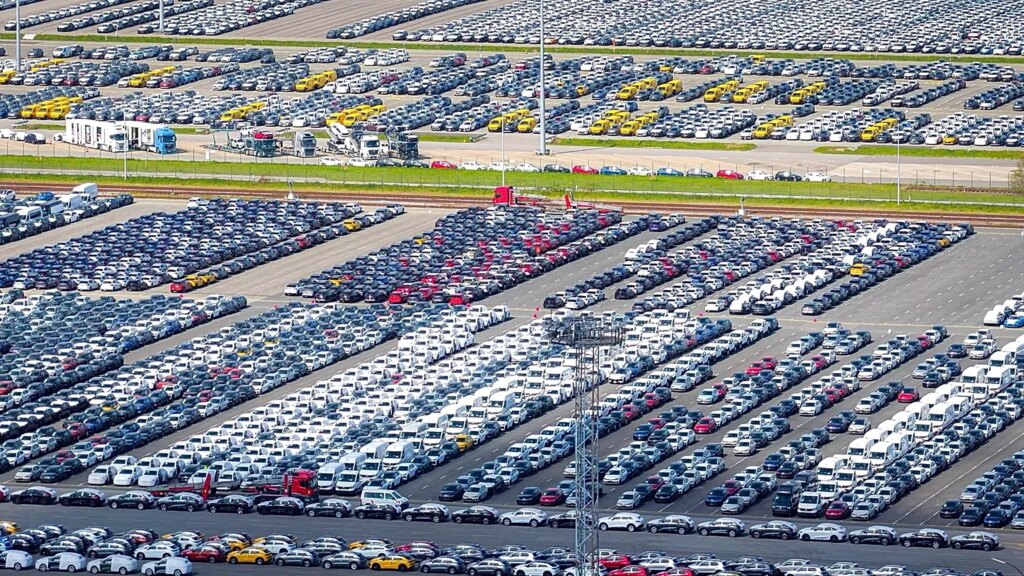
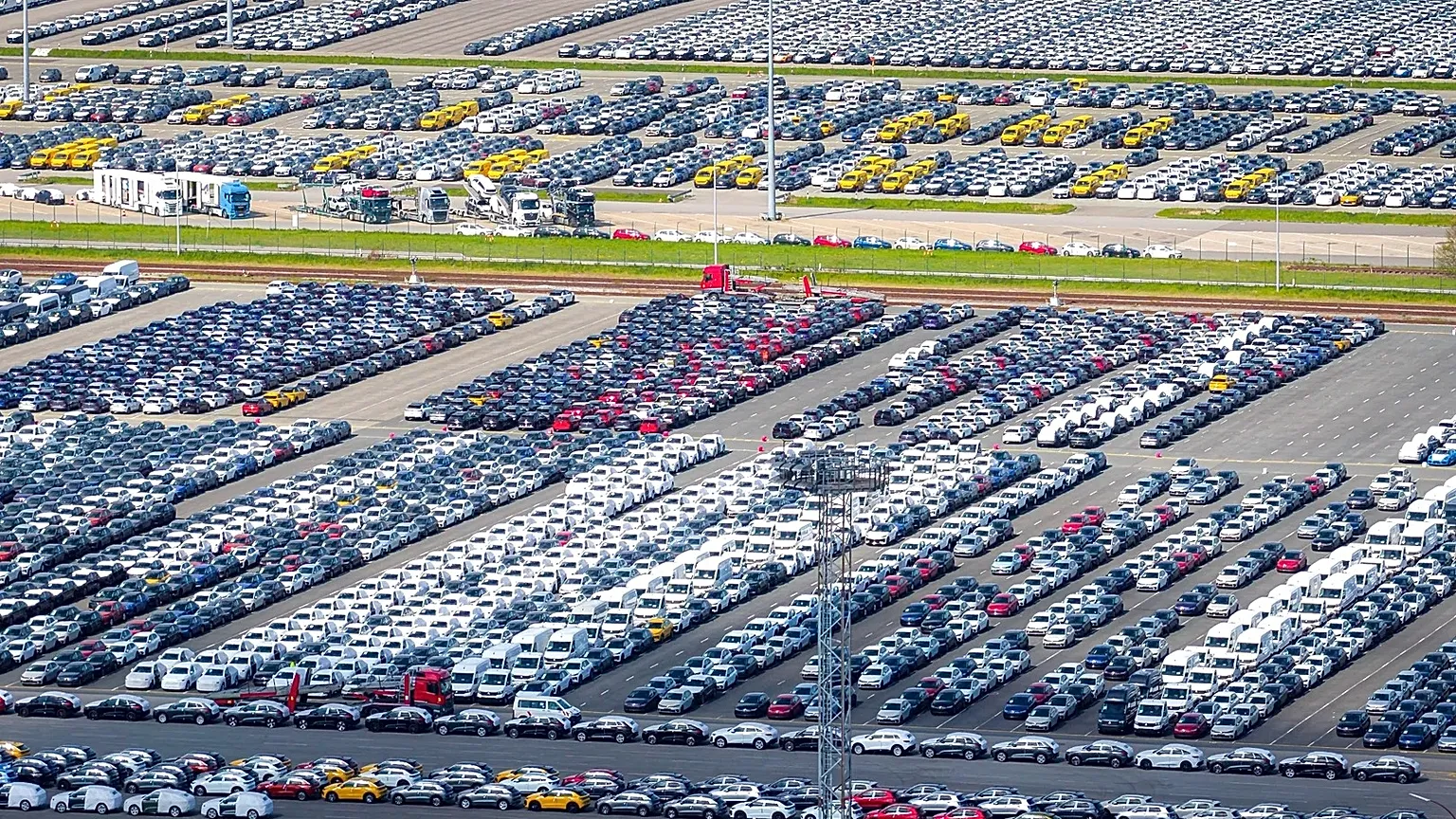
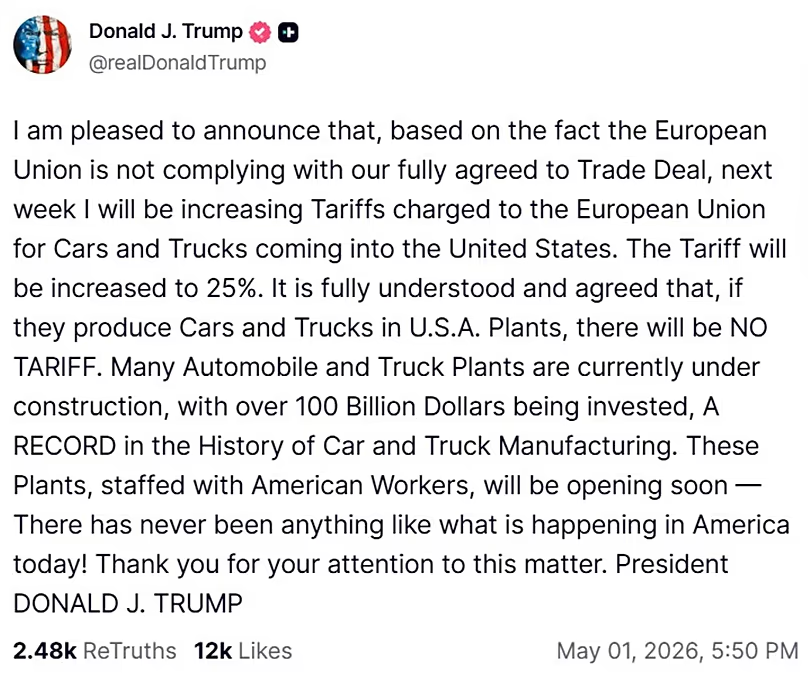
US President Donald Trump announced on Friday his intention to raise tariffs on cars and trucks imported from the European Union to 25% starting next week, a development that could further unsettle a global economy already impacted by the war in Iran.
 ADVERTISEMENT
  ADVERTISEMENT
In a social media statement, Trump asserted that the EU «is not complying with our fully agreed to Trade Deal.»
No additional justification was provided for the tariff increase, which occurs amid heightened tensions between the White House and the EU.
On Thursday, Trump renewed his critique of German Chancellor Friedrich Merz, urging him to prioritize ending the conflict in Ukraine rather than «interfering» in matters concerning Iran.
Given Germany’s substantial role in EU auto exports, a steep tariff on vehicles and parts would likely deal a significant blow to its economy.
Trump also labeled European allies Spain and Italy as «absolutely horrible» for their refusal to engage in the Iran conflict.
A European Commission spokesperson stated to the press that the EU has indeed fulfilled its obligations «in accordance with standard legislative procedures,» keeping the US «consistently informed.» While affirming its commitment to «a predictable, mutually advantageous transatlantic relationship,» the EU will maintain «all options available to safeguard its interests,» the spokesperson emphasized.
Bernd Lange, the principal MEP involved in negotiating the deal’s execution with EU member states, condemned Trump’s announcement as demonstrating «obvious unreliability,» accusing the US of repeatedly «violating its commitments» in trade dealings with the EU.
Turnberry Agreement
Last July, Trump and European Commission President Ursula von der Leyen reached an agreement establishing a 15% tariff ceiling on most goods.
Previously, both the US and the EU reaffirmed their intention to uphold the trade framework called the Turnberry Agreement, named after Trump’s golf property in Scotland.
The stability of the 2025 deal was questioned this year when the Supreme Court ruled that Trump lacked the legal authority to declare an economic emergency and impose tariffs on EU products.
The original ceiling was set at 15% tariffs on EU goods, but following the court decision, this was reduced to 10%, while the administration imposed new tariffs using alternative legal provisions.
Currently, the Trump administration is conducting investigations into trade imbalances and national security concerns with plans to enforce a revised tariff regime, which could jeopardize adherence to the EU deal.
The EU anticipated that the bilateral deal would yield monthly savings of €500-600 million for European car manufacturers.
Trade in goods and services between the EU and the US reached €1.7 trillion in 2024, averaging €4.6 billion daily, as reported by the EU statistical office Eurostat.
«A deal is a deal,» the European Commission stated in February after the Supreme Court decision.
«As the US’s principal trading partner, the EU expects the United States to respect the commitments outlined in the Joint Statement, just as the EU does. EU goods should continue to receive the most favorable treatment, with no tariff increases beyond the agreed comprehensive ceiling.»
Ongoing negotiations between MEPs and EU governments
Trump’s declaration comes amid ongoing talks between EU member state governments and MEPs on ways to apply the EU-US agreement and reduce tariffs on most US industrial goods to zero, as stipulated by the Turnberry Agreement.
EU legislators aim to include safeguards reflecting previous threats from Donald Trump regarding Greenland. These include a «sunset clause» that would terminate the deal in March 2028 unless extended by mutual consent, and a «sunrise clause,» linking tariff benefits to US compliance with the Turnberry commitments.
EU member states remain divided: countries led by France and Spain support the European Parliament’s more stringent position, while Germany and Italy favor maintaining the deal as initially established in July 2025.
Earlier this year, MEPs paused the agreement after the US Supreme Court ruled some 2025 tariffs imposed by Washington illegal, leading to Trump’s announcement of new 15% import duties.
MEP Zeljana Zovko, the lead negotiator for the EPP—the largest political faction in the EU Parliament—told Euronews that repeating such actions should be avoided this time.
«The agreement should be finalized first, and then efforts to improve relations with the US can continue,» she remarked to Euronews.
Additional sources • AP, AFP